Understanding the Core Technology of a Hot Press Embossing Machine
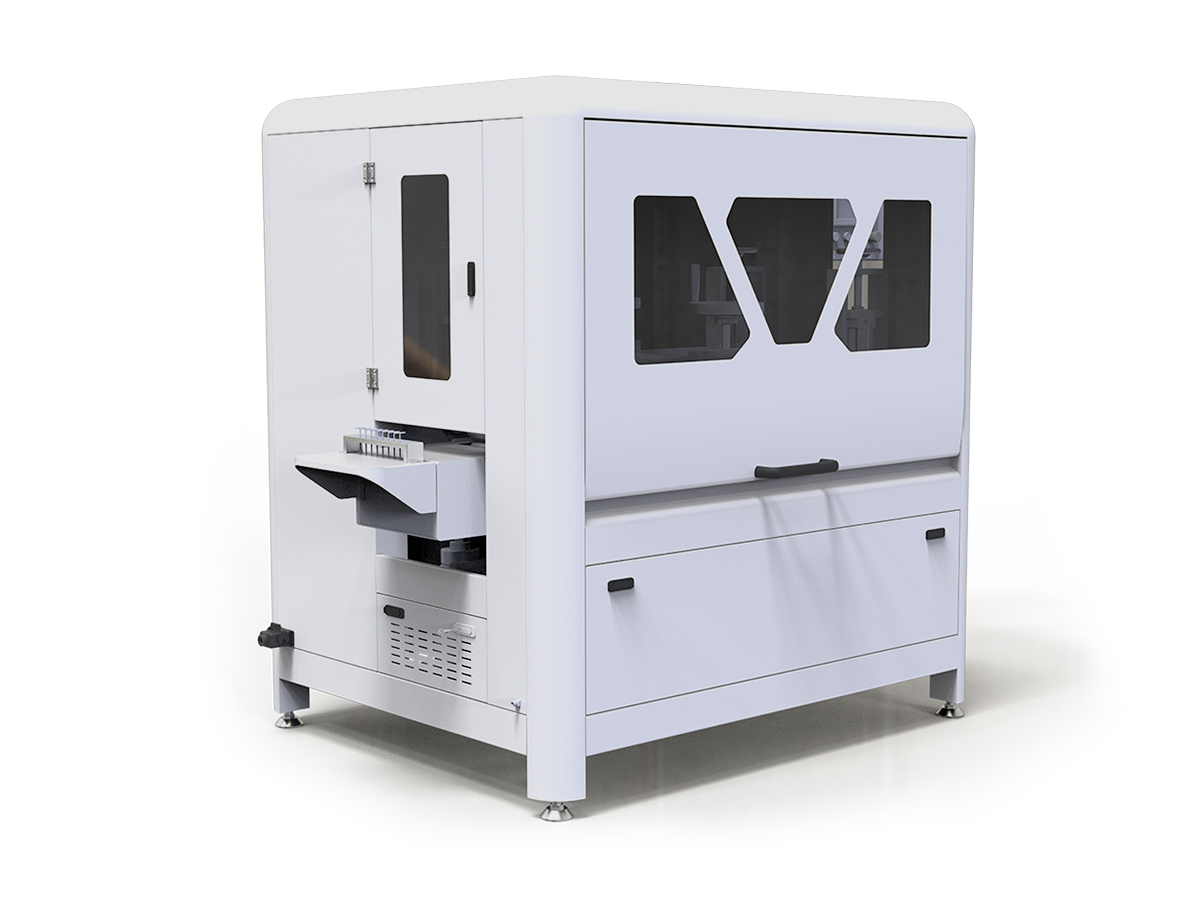
A Hot Press Embossing Machine is designed to imprint decorative or functional patterns onto a wide variety of materials by combining precisely controlled heat and pressure. At its core, the technology relies on a heated platen system that presses a pre-designed embossing plate or roller into the surface of the material, transferring intricate textures or relief patterns in a single, consistent operation.
The process begins with accurate temperature regulation. Electric or thermal oil heaters bring the platens to the required level—typically ranging from medium to high temperatures depending on the substrate. Consistent heat distribution across the entire surface is essential, ensuring that every section of the material receives uniform treatment and that the resulting embossing remains sharp and durable.
Pressure is the second key factor. Hydraulic or pneumatic systems generate a stable force, allowing the machine to apply even pressure throughout the cycle. This combination of controlled temperature and pressure enables the formation of precise, repeatable patterns on materials such as wood veneer, leather, textile fabric, or specialized composites.
Modern hot press embossing machines often integrate digital sensors and automated control panels, allowing operators to set exact parameters for temperature, pressure, and dwell time. These adjustments make it possible to handle different materials without risking damage or uneven results. The outcome is a high-quality, permanent embossed finish that resists wear, enhances aesthetics, and can add functional properties such as improved grip or structural rigidity.
By understanding these core technological elements—heat management, pressure application, and automated controls—manufacturers can fully leverage the capabilities of a Hot Press Embossing Machine, achieving consistent production quality and efficient use of energy and materials.
Industrial Hot Press Embossing Equipment for Large-Scale Production
Industrial hot press embossing equipment is engineered to meet the demands of high-volume manufacturing where consistency, speed, and durability are critical. Unlike smaller machines designed for custom or limited runs, these large-scale systems feature robust frames, high-capacity heating elements, and powerful hydraulic or pneumatic presses that can operate continuously across multiple shifts without performance loss.
The heart of industrial hot press embossing lies in its high-tonnage pressure systems, which provide the force needed to imprint deep, detailed patterns into a wide range of materials, including wood panels, composite boards, leather sheets, and heavy textiles. This capability ensures that even thick or dense substrates receive a clean, uniform embossing finish at production-level speeds.
To maintain precision, these machines are equipped with advanced temperature control networks. Multiple heating zones keep platen surfaces evenly heated, preventing inconsistencies across large work areas. Such uniform thermal distribution is essential for avoiding defects like partial impressions or surface warping, especially when working with oversized panels or continuous rolls of material.
Automation plays a key role in large-scale operations. Modern industrial hot press embossing equipment integrates programmable logic controllers (PLCs) or similar digital interfaces to manage temperature, pressure, and cycle times with minimal manual intervention. Operators can store multiple settings for different materials or patterns, allowing for quick changeovers between production batches and improving overall workflow efficiency.
In addition to high output, these machines are designed with durability and safety in mind. Heavy-duty construction materials, reinforced bearings, and advanced cooling systems help them withstand the mechanical and thermal stresses of continuous use. Safety features such as emergency stop mechanisms, heat shields, and automatic pressure release systems protect both the operators and the equipment during long production cycles.
For manufacturers aiming to scale production while maintaining the sharp details and structural integrity of each embossed piece, industrial hot press embossing equipment provides a reliable solution. Its combination of power, precision, and automation enables large-scale facilities to meet growing market demands without sacrificing quality or efficiency.
Automatic Heat Embossing Machine for Leather Manufacturing
An automatic heat embossing machine for leather manufacturing is specifically designed to create detailed patterns, textures, or logos on leather surfaces with speed and precision. By combining controlled heat, consistent pressure, and automated movement, this equipment delivers uniform results that meet the high standards required in industries such as furniture, footwear, automotive interiors, and luxury accessories.
The process begins with precise temperature regulation, which is critical for working with natural and synthetic leather. Heating elements bring the platen or embossing plate to the exact temperature needed to soften the leather’s surface without scorching or deforming it. Proper heat ensures that the grain of the leather accepts the desired texture while retaining flexibility and strength.
Equally important is accurate pressure application. Hydraulic or pneumatic systems apply steady force across the entire embossing area, ensuring that every corner of the pattern is clearly defined. This consistency allows manufacturers to achieve deep, crisp impressions, whether the design is a subtle texture or a bold decorative motif.
Automation elevates the process further. The machine’s programmable control system allows operators to set and store parameters such as temperature, pressure, and dwell time. Once programmed, the machine automatically cycles through each stage, reducing the need for manual adjustments and ensuring repeatable quality across large production runs. This is especially beneficial for leather manufacturers who handle different grades or thicknesses of material throughout the day.
Additional features such as automatic feeding mechanisms and integrated cooling systems help maintain production efficiency. Continuous feeding ensures that each leather sheet or roll moves smoothly through the embossing area, while cooling prevents overheating and preserves the leather’s natural look and feel.
By integrating these elements—precise heat, balanced pressure, and full automation—an automatic heat embossing machine for leather manufacturing enables factories to produce high-quality embossed leather at scale. The result is a durable, visually appealing product that maintains its texture and character even after extended use, meeting the demands of both functional and decorative applications.
Wood Veneer Hot Press Embossing Process
The wood veneer hot press embossing process is a specialized method used to add decorative textures, patterns, or three-dimensional effects to thin sheets of wood. By combining heat, pressure, and carefully prepared embossing plates, manufacturers can enhance the visual appeal of wood products while maintaining structural integrity.
The process begins with preparing the wood veneer. Moisture content is carefully controlled to ensure the veneer is flexible enough to accept the embossed pattern without cracking or splitting. The surface is often smoothed and lightly treated to improve adhesion and pattern transfer during pressing.
Next, the veneer is positioned between the heated embossing plate and the backing platen of the hot press machine. Temperature and pressure settings are selected based on the wood species, thickness, and desired pattern depth. The heat softens the wood fibers, allowing them to conform to the shape of the embossing plate, while the applied pressure ensures uniform transfer across the entire surface.
Even heat distribution is crucial in this process. Modern hot press machines use multiple heating zones to maintain a consistent temperature, preventing warping or incomplete embossing. Similarly, precise pressure control guarantees that the embossed design remains sharp and well-defined without damaging the delicate veneer.
Once the embossing cycle is complete, the wood veneer is carefully cooled before handling. This cooling phase helps the fibers set in the new texture and prevents deformation. After cooling, the embossed veneer can be further processed, stained, or finished with protective coatings to enhance durability and aesthetic appeal.
The wood veneer hot press embossing process is widely used in the production of furniture panels, decorative laminates, wall coverings, and flooring. By mastering the combination of heat, pressure, and material preparation, manufacturers can achieve consistent, high-quality embossed finishes that elevate the visual and tactile characteristics of wood products.
Textile Fabric Thermal Embossing Technology
Textile fabric thermal embossing technology is a process that uses controlled heat and pressure to create raised patterns, textures, or decorative effects on fabrics. This method enhances both the visual appeal and tactile qualities of textiles, making it widely used in fashion, upholstery, and interior design applications.
The process begins by selecting suitable fabrics. Materials such as cotton blends, polyester, nylon, and synthetic textiles are ideal because they respond well to heat without melting or deforming. The surface of the fabric is typically smoothed and stabilized to ensure even embossing and prevent unwanted wrinkles or distortions during pressing.
Next, the fabric is placed between a heated embossing roller or plate and a backing surface. The temperature, pressure, and dwell time are carefully adjusted based on the type of fabric and the desired pattern. Heat softens the fibers, while pressure forces them into the contours of the embossing design. This combination produces a precise, long-lasting texture without compromising the strength or flexibility of the fabric.
Modern systems often include automated controls, which allow operators to program multiple patterns, adjust embossing parameters quickly, and maintain consistent quality across long production runs. Some setups also incorporate cooling mechanisms to help the embossed fabric retain its shape immediately after pressing, preventing shrinkage or distortion.
Thermal embossing technology can produce a variety of effects, from subtle textures that enhance fabric drape to bold, three-dimensional patterns that create eye-catching designs. Beyond aesthetics, embossing can improve fabric performance, such as increasing grip, adding softness, or enhancing tactile interest.
By combining heat, pressure, and precise control, textile fabric thermal embossing technology enables manufacturers to create innovative, high-quality fabrics that meet both functional and decorative requirements in modern textile applications.
Custom Pattern Hot Press Embossing Solutions for Modern Industries
Custom pattern hot press embossing solutions offer industries the ability to create unique, tailored designs on a wide range of materials, including leather, wood veneer, textiles, and synthetic composites. By combining precision heat, controlled pressure, and programmable automation, manufacturers can achieve consistent results that meet specific aesthetic or functional requirements.
The process begins with designing the embossing pattern. Using digital modeling or CAD software, intricate motifs, logos, or textures are created and then transferred to durable embossing plates or rollers. These custom tools are engineered to withstand repeated use in high-pressure and high-temperature environments without losing accuracy.
Once the pattern is prepared, the material is positioned in the hot press embossing machine, and parameters such as temperature, pressure, and dwell time are set according to the material type and design depth. Automated controls allow operators to store multiple patterns and quickly switch between them, improving workflow efficiency for small-batch or large-scale production.
One of the key benefits of custom pattern embossing is the ability to differentiate products in competitive markets. For example, luxury leather goods, decorative furniture panels, and high-end textiles can feature distinctive textures or motifs that enhance visual appeal and perceived value. In addition, functional embossing can improve properties such as surface grip, flexibility, or light reflectivity, depending on the material and design.
Modern solutions also integrate real-time monitoring and quality assurance systems, ensuring that each embossed piece meets stringent standards. Advanced cooling systems and precise platen alignment prevent warping or deformation, maintaining the integrity of the material and the clarity of the design.
By leveraging custom pattern hot press embossing solutions, modern industries can produce high-quality, visually striking, and functionally enhanced products that meet the evolving demands of consumers and designers, all while maintaining efficiency and repeatability in production.
Future Trends and Market Insights
The future of hot press embossing machines is shaped by advancements in automation, digital integration, and sustainable manufacturing practices. As industries increasingly demand high-quality, customized products at faster production rates, hot press embossing technology continues to evolve to meet these requirements efficiently.
One major trend is the integration of smart manufacturing systems. Modern machines are incorporating sensors, IoT connectivity, and real-time monitoring, allowing manufacturers to track temperature, pressure, and cycle times automatically. This not only ensures consistent quality but also enables predictive maintenance, reducing downtime and extending the life of the equipment.
Sustainability is another driving factor. Energy-efficient heating systems, precise pressure control, and faster cycle times help reduce energy consumption while minimizing material waste. Additionally, manufacturers are exploring eco-friendly materials and coatings that respond well to embossing without harming the environment.
Customization continues to be a key market driver. With digital embossing plates and programmable controls, industries can create complex and intricate patterns on materials like leather, textiles, wood veneer, and synthetic composites. This flexibility supports the growing demand for personalized and decorative products across fashion, interior design, furniture, and automotive sectors.
Market insights indicate that small and medium enterprises (SMEs) are increasingly adopting hot press embossing technology due to its ability to combine efficiency with high-quality outputs. The trend toward small-batch, customized production opens opportunities for new applications and innovative product designs.
In summary, the future of hot press embossing machines is defined by automation, sustainability, and customization. Manufacturers who embrace these trends can improve operational efficiency, meet evolving consumer demands, and stay competitive in a rapidly changing industrial landscape.
FAQ
Q1: What materials can be used with a hot press embossing machine?
A1: A hot press embossing machine can work with a wide range of materials, including leather, wood veneer, textiles, and synthetic composites. Each material requires specific temperature, pressure, and dwell time settings to achieve optimal embossing results. Huzhou Tongxu Machinery Equipment Co., Ltd. provides solutions that can handle various materials efficiently, ensuring high-quality embossing for diverse industrial applications.
Q2: How does automation improve the embossing process?
A2: Automation in hot press embossing machines allows for precise control of temperature, pressure, and cycle time, ensuring consistent and repeatable results. It also reduces manual labor, improves production efficiency, and minimizes material waste. Huzhou Tongxu Machinery Equipment Co., Ltd. integrates advanced automation and intelligent control systems into their machines, enabling seamless operation for both small-batch and large-scale production.
Q3: Can custom patterns be produced on different surfaces?
A3: Yes, custom pattern hot press embossing solutions allow manufacturers to create intricate designs on a variety of surfaces, including leather, fabric, wood, and synthetic materials. Huzhou Tongxu Machinery Equipment Co., Ltd. specializes in designing and manufacturing equipment capable of producing high-quality, tailored patterns, combining innovative technology with years of experience in surface treatment and coating systems.



 English
 中文简体
中文简体

