How does the viscosity of a coating material affect the settings and choice of furniture and floor coating equipment?
Introduction: the pivotal role of viscosity
In the sophisticated world of industrial finishing, the successful application of paints, stains, and protective coatings to substrates like wood, metal, and composite materials is a complex dance of chemistry and engineering. At the heart of this process lies a single, critical rheological property: viscosity. Often simplistically described as a fluid’s “thickness” or resistance to flow, viscosity is the paramount variable that dictates nearly every aspect of a coating operation. For professionals selecting, configuring, and operating furniture and floor coating equipment, a profound understanding of viscosity is not merely beneficial—it is indispensable. It is the fundamental bridge between the chemical formulation of a coating in a laboratory and its flawless, efficient, and economical application on a furniture coating production line or a floor coating production line.
Section 1: understanding viscosity - more than just thickness
Before one can appreciate its impact on equipment, a clear definition of viscosity is required. In scientific terms, viscosity is the measure of a fluid’s internal friction against shear or flow. A high-viscosity fluid, like honey or a heavy gel stain, has high internal friction; it flows slowly and resists deformation. A low-viscosity fluid, such as water or a solvent-based lacquer, has low internal friction and flows freely.
However, the behavior of coatings is rarely so straightforward. Many modern coatings are non-Newtonian fluids, meaning their viscosity can change under different conditions. Thixotropic fluids, for instance, decrease in viscosity (thin out) when agitated or subjected to shear stress—as happens inside a pump or spray gun—and then thicken again once at rest. This property is highly desirable as it allows a coating to be easy to spray but resistant to sagging once on a vertical surface. Other coatings may be dilatant, thickening under shear. Understanding whether a coating is Newtonian or non-Newtonian is the first step in predicting its behavior within any piece of furniture and floor coating equipment.
The measurement of viscosity is typically conducted with instruments like efflux cups (e.g., Ford, Zahn) for quick checks, which measure the time in seconds for a fixed volume of fluid to flow through a calibrated orifice. More sophisticated rotational viscometers provide absolute viscosity values in units like centipoise (cP) or Pascal-seconds (Pa·s), offering greater accuracy and the ability to characterize non-Newtonian behavior. This data is crucial for providing a quantitative basis for all subsequent equipment decisions.
Section 2: the direct impact of viscosity on application technologies
The core function of any coating system is to transfer material from a reservoir to a substrate in a controlled, uniform, and efficient manner. Viscosity directly challenges this function, and different technologies have been developed to overcome it. The choice between a roller coating series, a curtain coating series, or a spray coating series is overwhelmingly influenced by the viscosity range of the materials intended for use.
High-pressure airless spray systems are workhorses in many furniture coating production line setups, particularly for applying primers and base coats on complex shapes. These systems use a powerful pump to force fluid at extremely high pressure (often 1,500-3,000 psi) through a small tip orifice. This high shear force mechanically breaks down the fluid, atomizing it into a fine spray pattern. High-viscosity materials require higher pump pressures and larger orifice sizes to achieve adequate atomization. Using a tip too small for a viscous material will result in poor patternation, excessive tip wear, and dangerously high system pressure. Conversely, a low-viscosity material sprayed with a large tip and high pressure will lead to excessive overspray, thin films, and material waste.
Air-assisted airless (AAA) systems combine the high delivery rate of airless with the pattern control of conventional air spray by using a small amount of compressed air to assist in shaping the atomized fan. This technology offers better control over atomization for a wider range of viscosities. It can handle moderately viscous materials more gracefully than pure airless systems, often producing a higher quality finish with less overspray, making it a versatile choice for a furniture and floor coating equipment portfolio.
HVLP (high volume, low pressure) and LVLP (low volume, low pressure) spray systems use a high volume of air delivered at low pressure to atomize the fluid. These systems are highly efficient in terms of material transfer, reducing overspray and VOC emissions. However, they are generally less capable of atomizing very high-viscosity materials compared to airless systems. They excel with low to medium-viscosity coatings like lacquers, dyes, and light stains. Attempting to spray a high-viscosity coating with an HVLP system will typically result in a poorly atomized, orange-peel texture or an inability to pump the fluid at all.
For very high-viscosity materials like heavy-bodied paints, putties, or certain textured coatings, plural-component equipment or specialized high-output pumps are often the only solution. These systems often incorporate progressive cavity pumps or piston pumps designed specifically to move thick, paste-like substances.
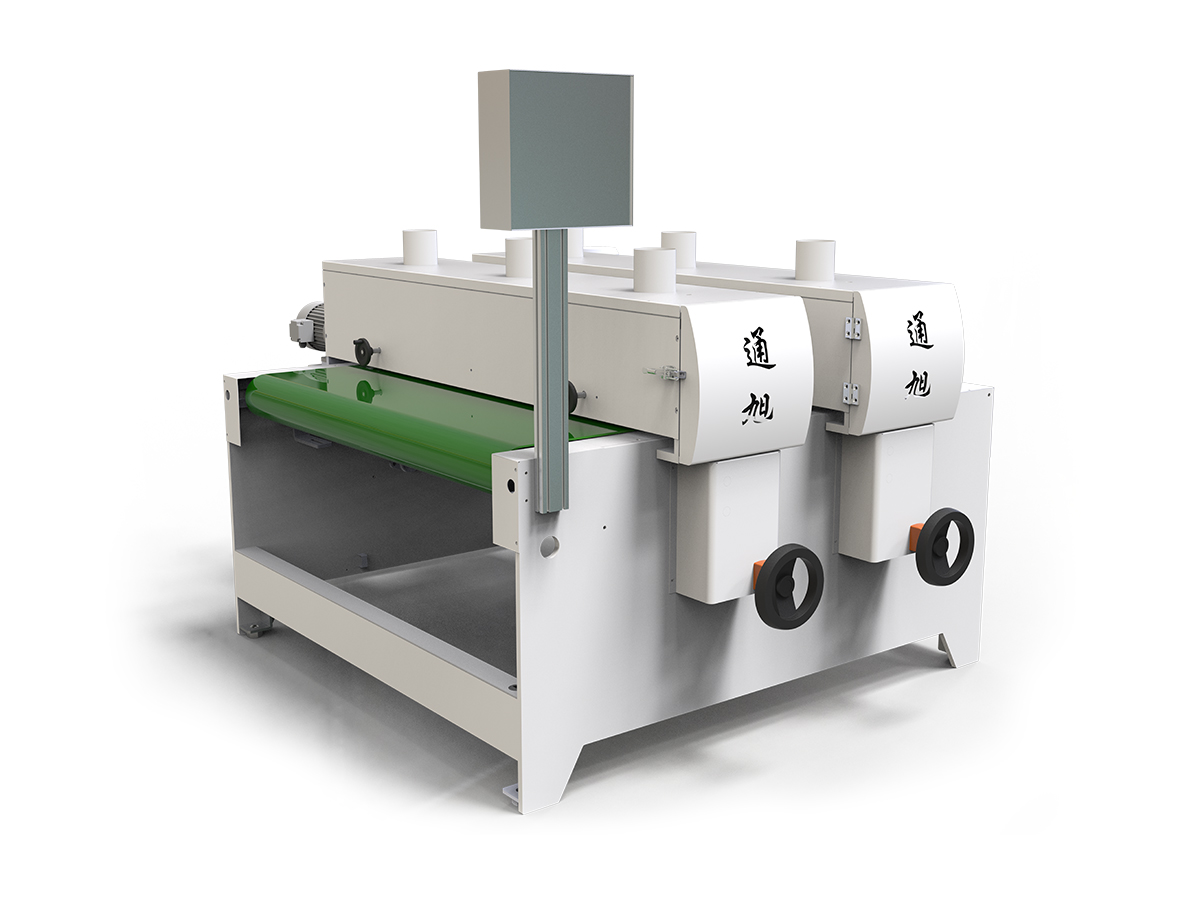
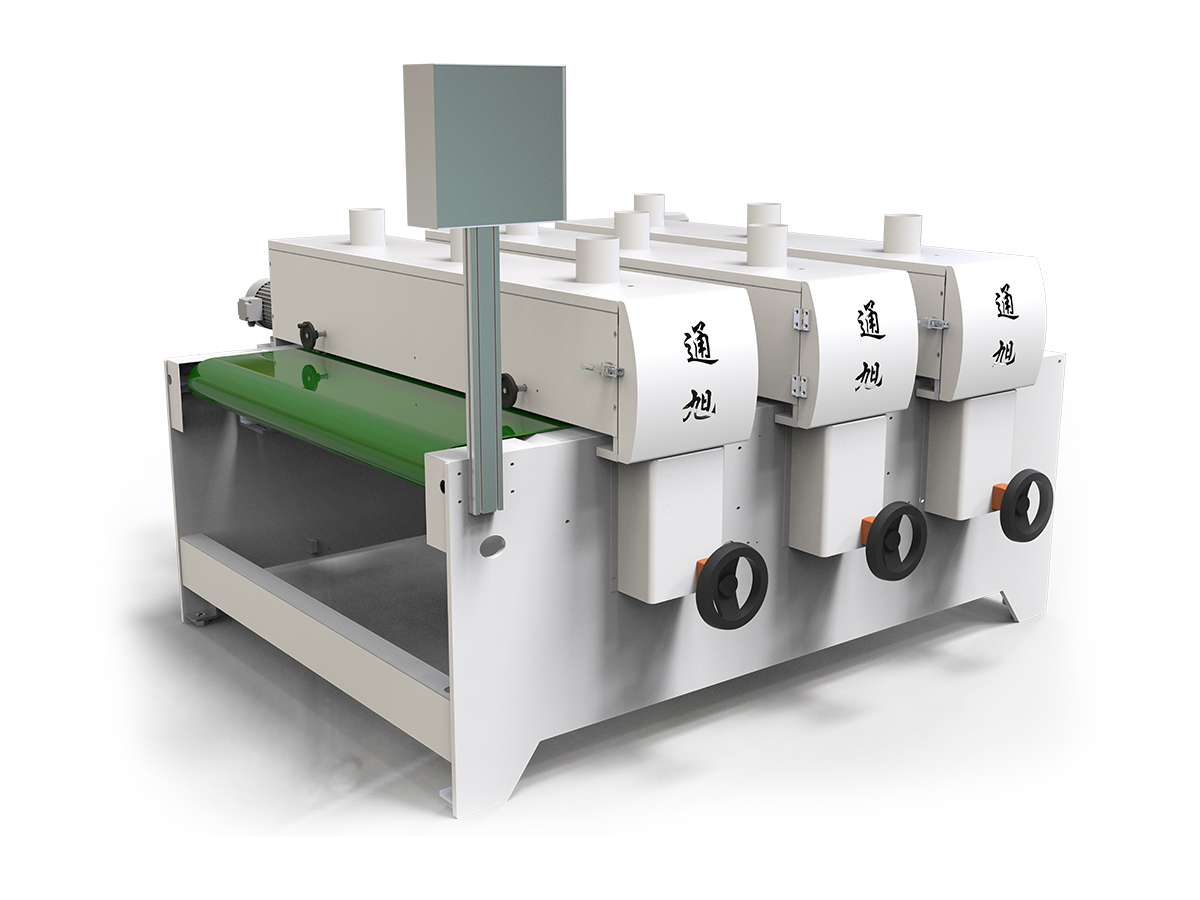
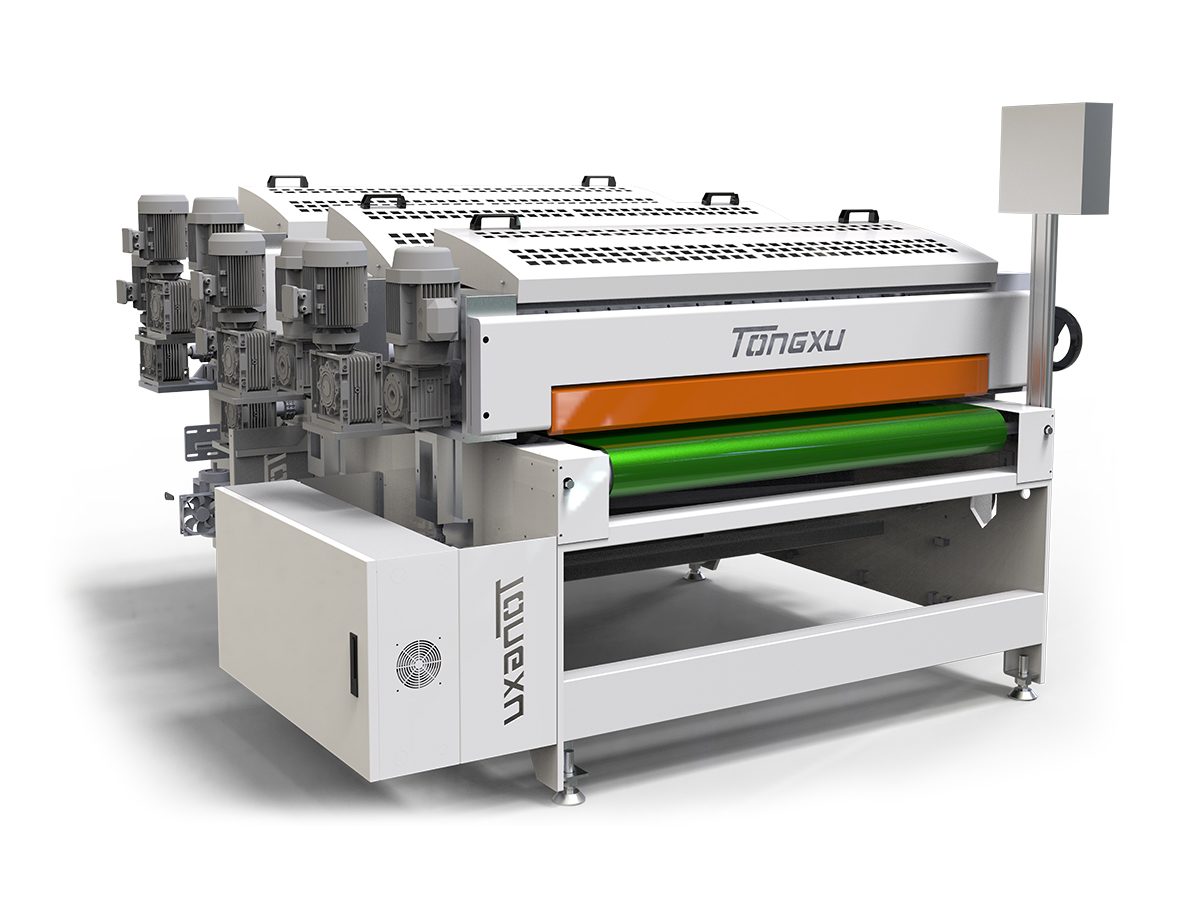
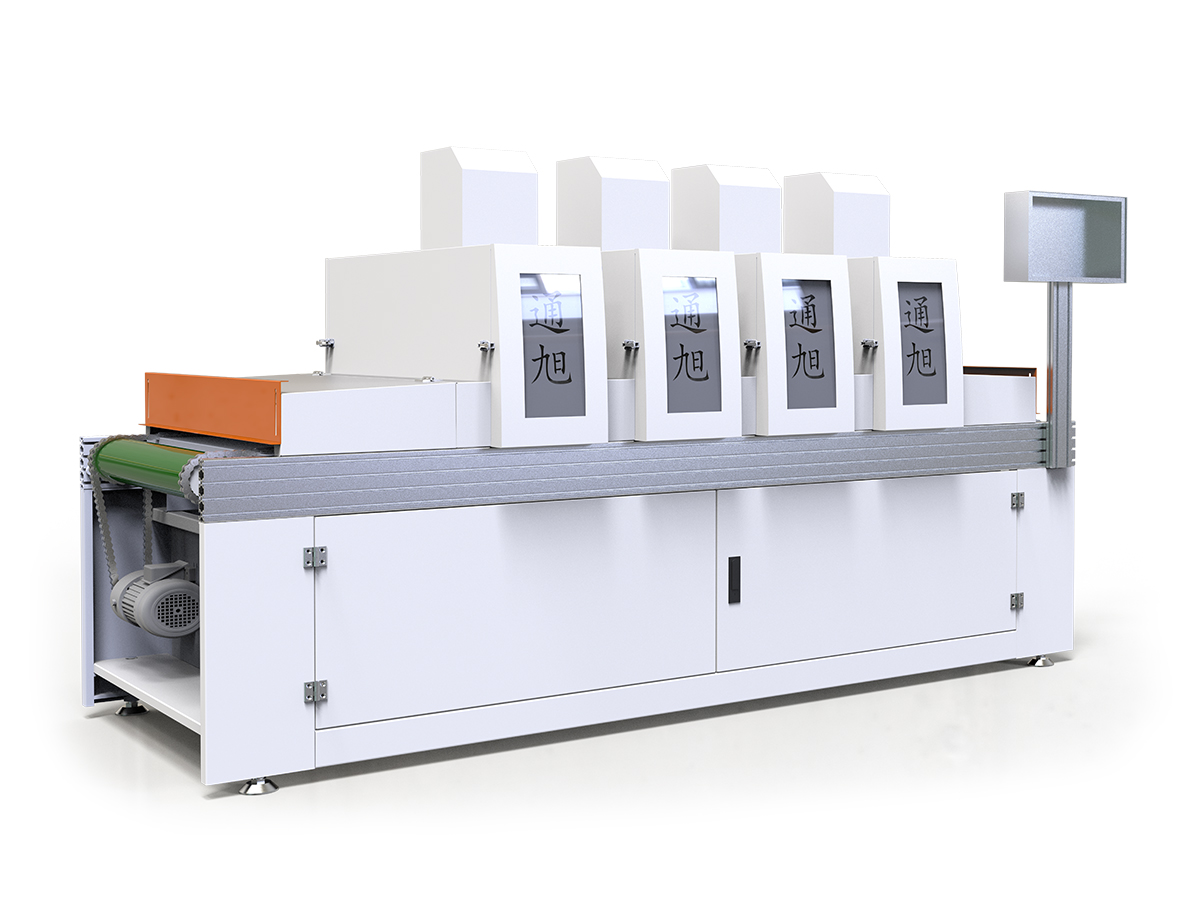
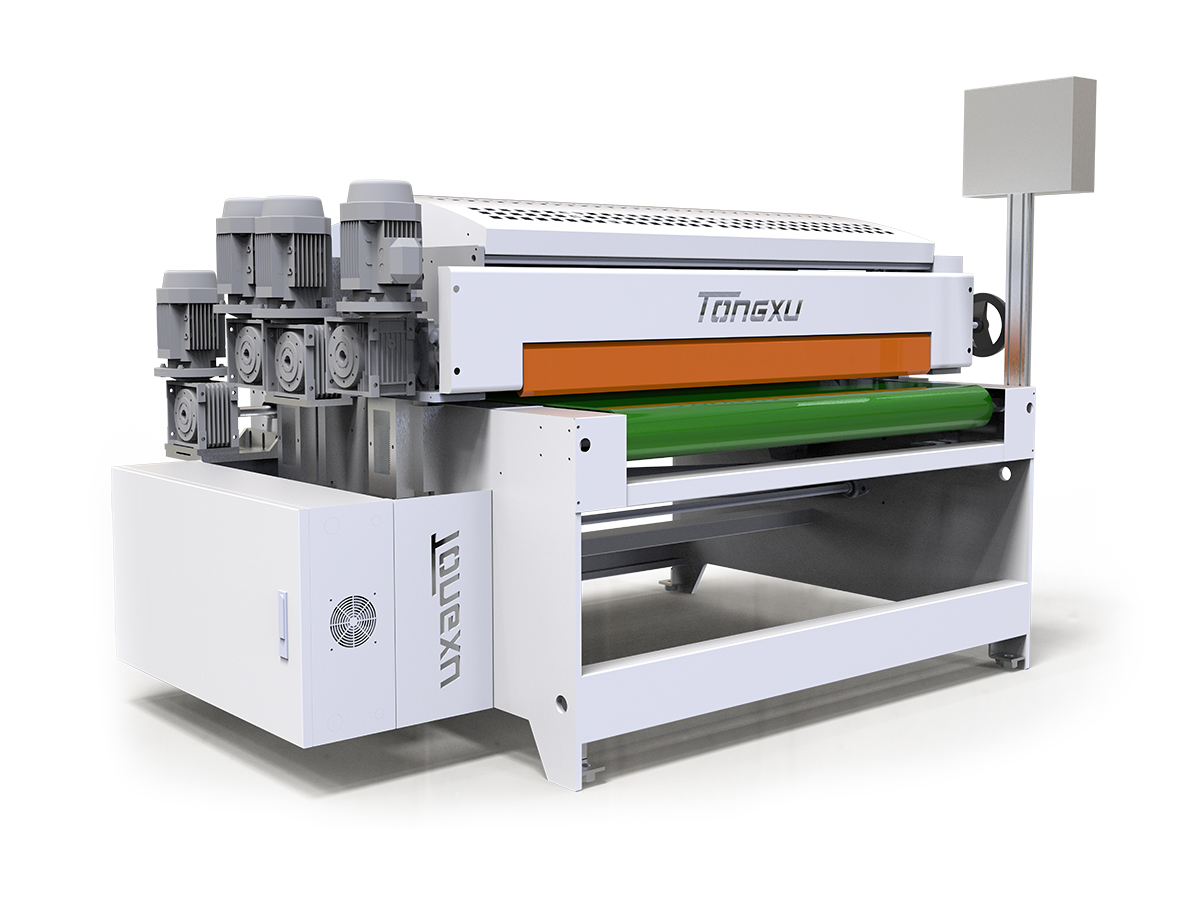
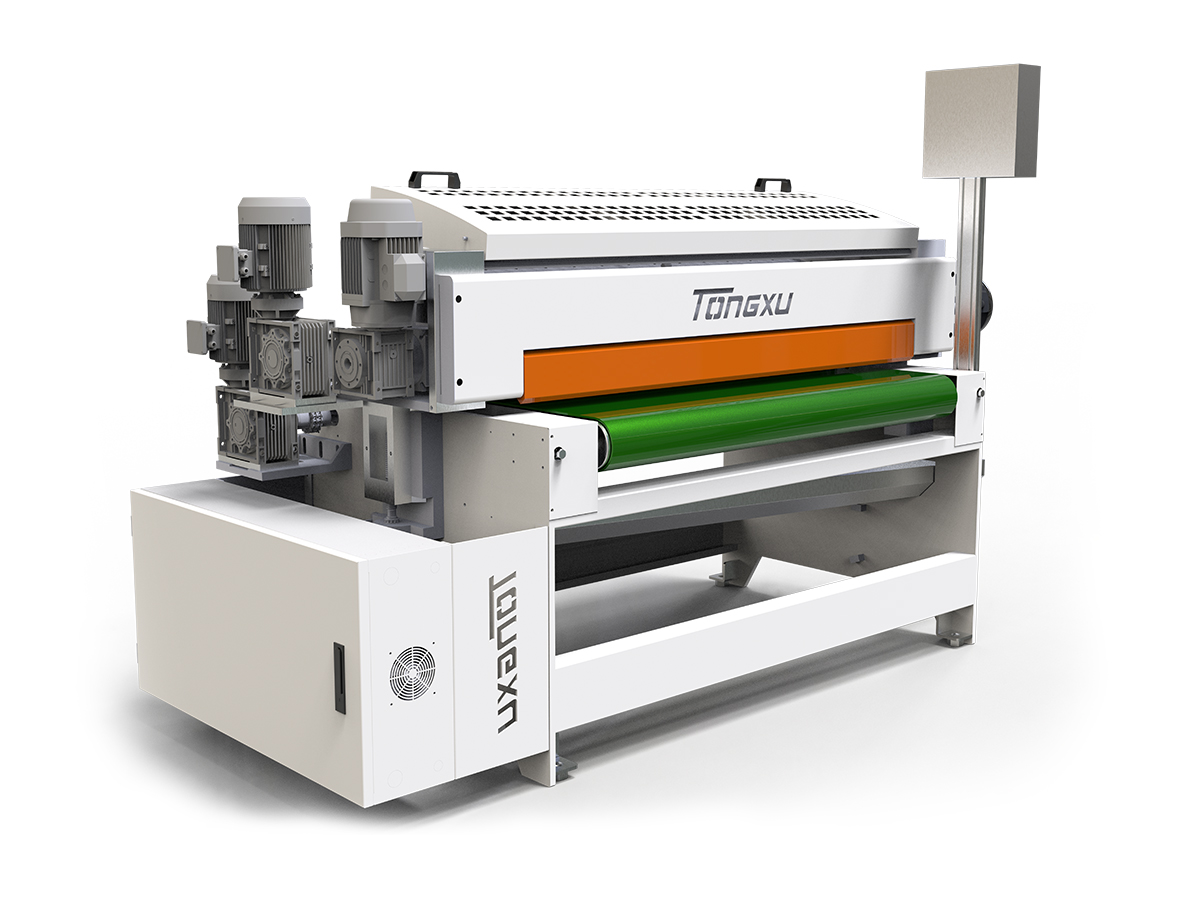
Conversely, roller coating and curtain coating are technologies designed for flat or minimally profiled stock, such as panel doors, flooring planks, or cabinet components. Roller coaters work by precisely metering coating onto an applicator roller which then transfers it to the substrate. They are exceptionally efficient and can handle a surprisingly wide viscosity range, from low-viscosity stains to high-viscosity UV-curable fills. The key is to match the roller hardness, engraving pattern, and transfer gap settings to the fluid’s viscosity to ensure an even, controlled transfer without starving or flooding the roller.
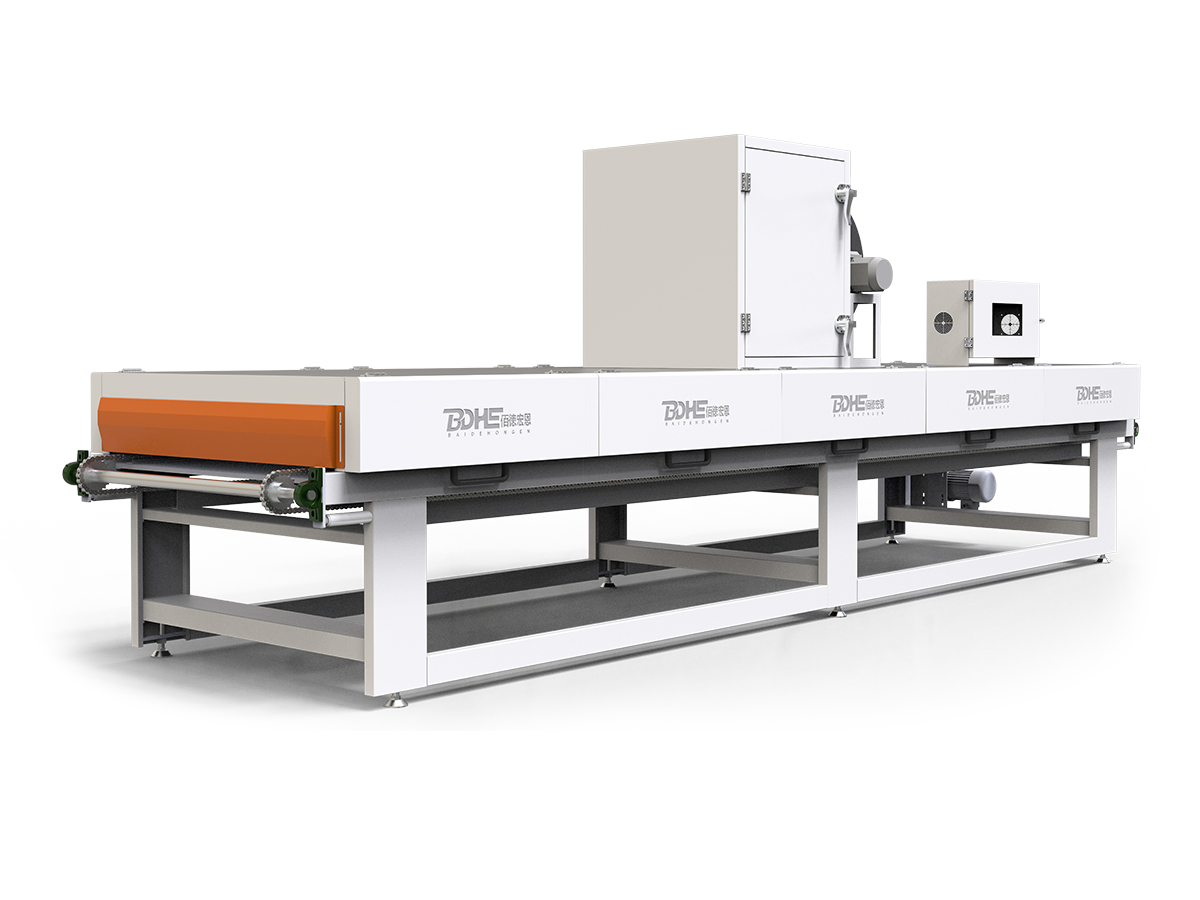
Curtain coaters represent the high-volume end of the spectrum for flat stock. They work by creating a continuous, falling “curtain” of coating material through which substrates are conveyed. This method requires a very stable and consistent viscosity. If the viscosity is too high, the curtain will be thick and may not form evenly, leading to heavy application and potential sagging. If the viscosity is too low, the curtain may become unstable, break apart, or result in an application film that is too thin. The viscosity must be tightly controlled to maintain the integrity of the curtain and achieve a perfectly uniform coating layer, a critical requirement for any high-speed floor coating production line.
Table: Primary Application Technologies and Their Typical Viscosity Ranges
| Application Technology |
Typical Viscosity Range |
Ideal Use Cases |
| Airless Spray |
Medium to Very High |
Primers, heavy latex, elastomerics on complex shapes. |
| Air-Assisted Airless (AAA) |
Medium to High |
High-quality topcoats, varnishes on furniture and cabinets. |
| HVLP/LVLP Spray |
Low to Medium |
Lacquers, stains, dyes, clear coats for fine finishing. |
| Roller Coating |
Low to Very High |
Flat panels, flooring, efficient primer, and topcoat application. |
| Curtain Coating |
Low to Medium (must be stable) |
Ultra-high-speed, uniform topcoat on flat stock like flooring. |
Section 3: equipment selection based on viscosity - a strategic guide
Choosing the right furniture and floor coating equipment is a capital investment that hinges on the materials a facility plans to use. A manufacturer specializing in high-viscosity, UV-curable fills for hardwood flooring will have vastly different equipment needs than a shop applying low-viscosity solvent-based lacquers to ornate chair frames.
For a operation focused on a furniture coating production line dealing with diverse products—from framed cabinets to flat panels—versatility is key. In such an environment, an equipment package that includes both a robust spray coating series for shaped components and a roller coating series for door and drawer fronts is ideal. The spray booths should be equipped with pumps and guns capable of handling a range of pressures to accommodate different material viscosities. The selection of fluid delivery components is critical: pumps must be sized correctly, fluid lines must be compatible and of the correct diameter to minimize pressure drop, and a selection of gun tips must be on hand to match the planned viscosity spectrum.
For a high-volume floor coating production line, where throughput and consistency are paramount, the choice is often more specialized. A curtain coating series is exceptionally efficient for applying topcoats to flooring planks at high speed, but it demands a dedicated and consistent material supply with tightly controlled viscosity. Therefore, the supporting equipment—such as in-line viscosity monitoring systems, temperature-controlled reservoirs, and automated solvent addition systems—becomes just as important as the coater itself. These auxiliary systems ensure the viscosity remains within the narrow window required for perfect curtain formation, minute after minute, hour after hour.
The pump is the heart of any fluid delivery system. Transfer pumps are used to move material from drums to the application equipment and must be selected based on the material’s viscosity. Gear pumps and diaphragm pumps handle a wide range well, while centrifugal pumps are better suited for lower-viscosity fluids. Application pumps, particularly in airless systems, are directly responsible for creating the pressure needed for atomization. The pump’s pressure rating and volumetric output must be matched to the expected job: higher viscosities demand higher pressures and potentially lower flow rates.
Furthermore, the entire fluid path must be considered. Small-diameter fluid lines create more friction (pressure drop) than larger ones, which can be a significant issue with high-viscosity fluids, requiring even higher pump pressures. Using a material that is too viscous for the system’s design can lead to premature wear of pumps, seals, and guns, increasing maintenance frequency and cost. Therefore, consulting with experts who can provide personalized product selection solutions is a prudent step to ensure the selected furniture and floor coating equipment is not just adequate, but optimal for the intended materials.
Section 4: optimizing equipment settings for different viscosities
Once the appropriate equipment is selected and installed, the next challenge is dialing in the perfect settings for each specific material. This is where the theoretical understanding of viscosity meets practical operation. A systematic approach to setup can mean the difference between a flawless finish and a costly rework.
The first and most crucial step is to always follow the coating manufacturer’s technical data sheet (TDS). This document will provide a recommended viscosity range for application, often specifying a target measurement using a specific cup (e.g., “30 seconds with a Zahn #4 cup”). The coating should be brought to this viscosity through controlled reduction with the appropriate solvent or thinner. This step, often called “cutting” or “reducing,” is non-negotiable. Attempting to adjust equipment to compensate for an unreduced, out-of-spec viscosity is a recipe for poor performance.
For spray systems, the adjustments are primarily pressure and tip selection. As a general rule:
- High-Viscosity Coatings: Require higher fluid pressure to achieve sufficient shear for atomization. They also require a larger tip orifice size to allow the thicker fluid to pass through without requiring excessive, dangerous pressures. The fan pattern may need to be adjusted to be narrower to ensure adequate film build.
- Low-Viscosity Coatings: Require lower fluid pressure to prevent over-atomization and excessive overspray. A smaller tip orifice is used to maintain control over flow rate. The fan pattern can often be wider for broad coverage.
Temperature is a frequently overlooked factor that directly affects viscosity. Most coatings become less viscous as they warm up and more viscous as they cool down. A coating that is perfectly reduced at 70°F (21°C) may become too viscous to spray effectively if the shop temperature drops to 60°F (16°C). Maintaining a consistent ambient temperature or using heated hoses and fluid reservoirs can be a highly effective method for stabilizing viscosity and ensuring consistent application results throughout the day, a critical factor for a continuous floor coating production line.
For roller coating series equipment, the adjustments are more mechanical. The key parameters are the gap between the pick-up roller and the applicator roller, and the speed of the rollers. A higher-viscosity material may require a larger gap and slower roller speeds to allow for proper metering and transfer without causing the rollers to “skip” or starve the panel. A lower-viscosity material will need a tighter gap and potentially faster speeds to prevent flooding and sags.
Curtain coating series equipment is the most sensitive to viscosity variation. The flow rate of the coating onto the weir (the ledge from which the curtain falls) must be perfectly calibrated to the conveyor speed and the desired wet film thickness. Any change in viscosity will directly alter the flow dynamics over the weir, disrupting the curtain. Therefore, these systems often integrate sophisticated viscometers that provide real-time feedback to automated solvent dosing systems, making micro-adjustments to maintain viscosity within a tolerance of just a few percent.
Section 5: the consequences of ignoring viscosity
Failure to properly account for viscosity in the selection and operation of coating equipment leads to a cascade of negative outcomes that affect quality, cost, and safety.
Finish Quality Defects: This is the most immediate and visible consequence. High viscosity can cause severe orange peel, dry spray (where particles partially dry before reaching the substrate), and poor leveling, resulting in a rough, unattractive finish. It can also lead to fisheyes or cratering if the material does not flow properly. Low viscosity can cause sags and runs on vertical surfaces, as the coating is too thin to stay in place. It can also lead to “pinholing” if the film is too thin to form a continuous layer.
Material Inefficiency and Waste: Incorrect viscosity is a primary driver of waste. High viscosity leads to excessive film build, using more material than necessary. Poor atomization from high viscosity creates more overspray, meaning more expensive coating ends up on the booth walls and filters rather than the product. Low viscosity can lead to waste through sags and runs that require sanding and recoating, doubling labor and material costs for a single piece.
Equipment Strain and Premature Wear: Forcing a high-viscosity fluid through a pump and gun not designed for it places enormous strain on the system. This leads to increased wear on pump pistons, seals, packings, and spray tips. The higher pressures required also increase the risk of component failure and dangerous hose ruptures. This translates directly into higher maintenance costs, more frequent part replacements, and unplanned downtime.
Production Delays and Increased Labor: Every minute spent troubleshooting finish defects, cleaning clogged guns, or repairing equipment is a minute of lost production. Jobs may need to be stopped to adjust viscosity, clean and reset equipment, or sand and re-spray defective parts. This kills productivity and increases labor costs significantly.
Section 6: advanced solutions and best practices for viscosity management
Modern furniture and floor coating equipment incorporates advanced features to help operators manage viscosity more effectively and consistently.
The implementation of in-line viscosity control is a game-changer, especially for automated furniture coating production line and floor coating production line applications. These systems use a sensor placed directly in the fluid line that provides continuous, real-time readings of the coating’s viscosity. This data can be fed to a control system that automatically adds small amounts of solvent to maintain the viscosity within a pre-set window. This eliminates human error and guesswork, ensuring batch-to-batch consistency unparalleled by manual mixing methods.
Heated fluid delivery systems are another powerful tool. By gently and consistently heating the coating as it travels from the pump to the gun, the operator can lower its viscosity without adding solvent. This has several advantages: it reduces VOC emissions (as less solvent is needed), maintains a higher volume solids content for potentially fewer coats, and provides a very stable, predictable viscosity. Heated hose systems are particularly popular for applying high-solids coatings and other materials that are viscous at room temperature.
The foundation of all best practices, however, remains a rigorous process control protocol. This includes:
- Standardized Mixing Procedures: Ensuring every batch is reduced according to the TDS using calibrated measuring tools.
- Regular Viscosity Checks: Using efflux cups or viscometers to check viscosity at the gun or applicator head at regular intervals, not just after initial mixing.
- Temperature Monitoring: Recording and controlling shop temperature to minimize its effect on viscosity.
- Comprehensive Training: Ensuring all operators and mixers are thoroughly trained on the profound impact of viscosity and the correct procedures for handling different materials. Provide customers with comprehensive training courses, including equipment operation, safe use and maintenance techniques, to improve user skills and production efficiency. This principle is vital for achieving consistent results.
Maintain your tools in top working condition and extend their service life through regular maintenance and performance optimization services. This includes regularly checking and replacing worn pump packings, filters, and spray tips. A worn tip will not atomize correctly, regardless of the viscosity, and can mask the true cause of a application problem.



 English
 中文简体
中文简体