1. What is a Furniture Surface Cleaning Machine
Definition and Purpose
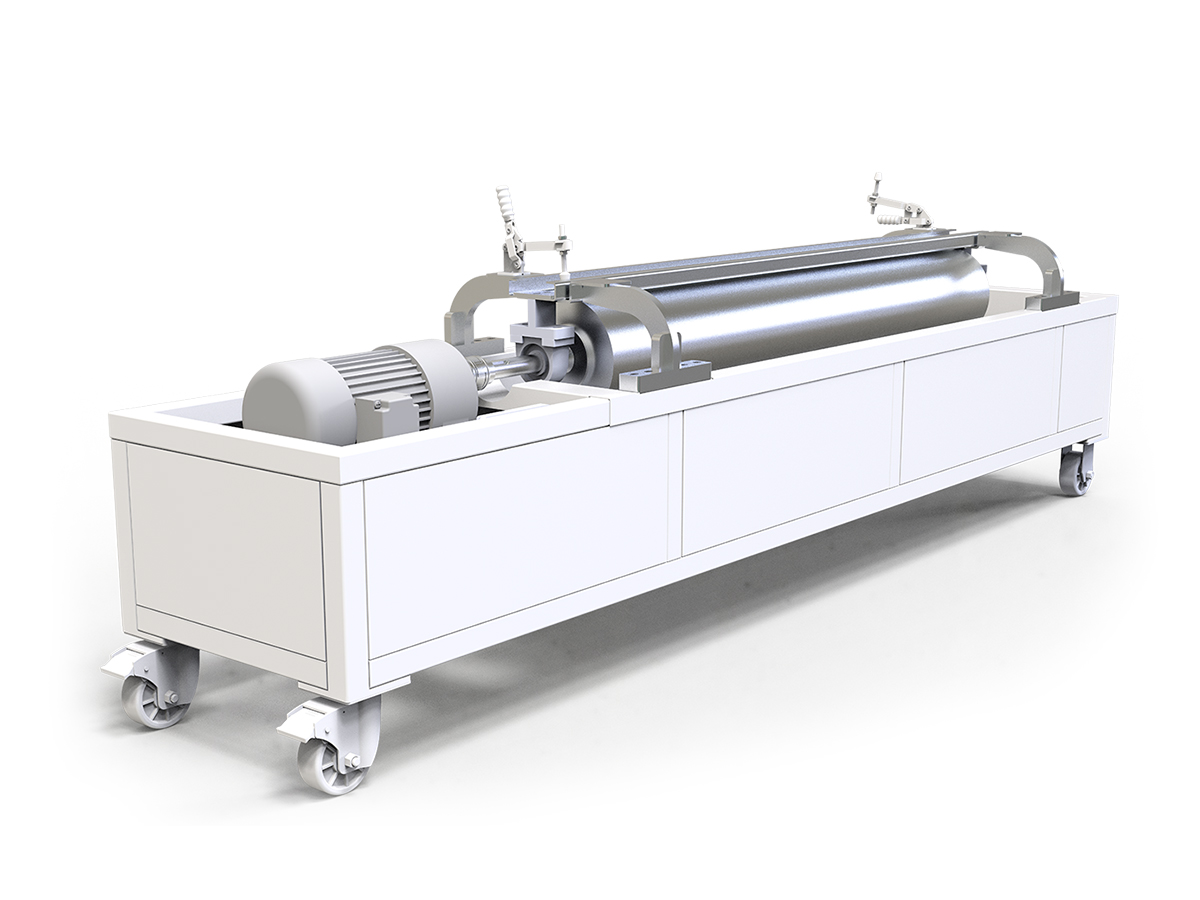
A Furniture surface cleaning machine is a specialized device designed to restore and maintain the cleanliness of furniture by removing contaminants that traditional cleaning methods cannot effectively handle. Unlike manual wiping or basic detergents, this type of equipment employs advanced physical or chemical techniques, such as dry ice blasting, high-pressure steam, ultrasonic waves, or specialized solvents. These technologies make it possible to remove grease, paint residues, glue marks, dust, mold, oxides, and even aged patina from furniture surfaces in a thorough yet non-destructive way.
This machine is suitable for a wide range of materials, including solid wood, engineered panels, metals, leather, fabrics, and plastics. Its unique advantage lies in its ability to clean deeply without damaging the underlying substrate, ensuring that the furniture retains its integrity and durability. By achieving cleaner and more uniform surfaces, the furniture surface cleaning machine enhances product quality, prepares surfaces for coating or refinishing, shortens renovation processes, and supports environmentally friendly practices in both manufacturing and maintenance.
2. Main Cleaning Technologies of a Furniture Surface Cleaning Machine
Dry Ice Blasting
This method uses solid carbon dioxide pellets that sublimate upon impact, instantly loosening and removing stubborn grease, paint residues, or glue marks without introducing additional moisture or abrasive wear. It is particularly effective for delicate surfaces that require deep cleaning without scratching.
High-Pressure Steam
By using extremely hot steam under pressure, this technique can penetrate pores and crevices of wooden, fabric, or leather furniture. It kills mold, dissolves accumulated dust, and removes surface dirt, all while minimizing the need for harsh chemical detergents.
Ultrasonic Cleaning
For furniture components with fine details, ultrasonic waves generate microscopic bubbles in a liquid medium. The implosion of these bubbles gently yet powerfully removes oxides, aged patina, and embedded particles. This approach is especially valuable for intricate metal accessories or decorative surfaces.
Specific Solvent Cleaning
When furniture surfaces are contaminated with adhesives, paint layers, or other chemical residues, targeted solvent cleaning can dissolve the substances effectively. Combined with the controlled mechanism of the furniture surface cleaning machine, this process ensures safe application without damaging the substrate.
By integrating these technologies, the furniture surface cleaning machine offers a versatile solution capable of addressing a wide range of industrial and household cleaning needs while maintaining eco-friendly standards.
3. Applications on Different Materials
A Furniture surface cleaning machine demonstrates outstanding adaptability when applied to different furniture materials, each of which presents its own cleaning challenges. For solid wood and panel furniture, the machine effectively removes grease, paint residues, and glue without harming the natural grain or weakening the surface. In the case of metal accessories, it tackles oxides, rust layers, and aged patina while preserving metallic luster. For leather and fabric furniture, high-pressure steam and ultrasonic cleaning are particularly useful in eliminating mold, dust, and embedded stains without damaging the fibers. Plastic surfaces, often sensitive to scratches or solvents, benefit from controlled physical methods such as dry ice blasting, which removes dirt and glue marks gently yet thoroughly.
This versatility allows the furniture surface cleaning machine to serve both industrial furniture production and everyday maintenance. Whether preparing furniture for a new coating process, restoring aged pieces, or performing regular cleaning, it ensures superior results while safeguarding the structural and aesthetic integrity of each material.
Comparative Overview of Cleaning Applications by Material
| Material Type |
Common Contaminants |
Recommended Cleaning Technique |
Key Advantages |
| Solid Wood & Panels |
Grease, paint residues, glue |
Dry ice blasting, specific solvent cleaning |
Removes tough stains without damaging wood grain |
| Metal Accessories |
Oxides, rust, aged patina |
Ultrasonic cleaning, steam cleaning |
Restores metallic luster and removes corrosion |
| Leather & Fabrics |
Mold, dust, embedded stains |
High-pressure steam, ultrasonic cleaning |
Kills bacteria and mold while protecting texture |
| Plastics |
Glue marks, dust, light grease |
Dry ice blasting, mild solvent cleaning |
Safe cleaning without scratches or deformation |
4. Advantages of Using a Furniture Surface Cleaning Machine
The adoption of a Furniture surface cleaning machine offers significant advantages that extend beyond the capabilities of traditional cleaning methods. One of the most notable benefits is the remarkable improvement in the overall quality and appearance of furniture surfaces. By thoroughly removing grease, paint residues, mold, and other contaminants, the machine helps furniture maintain a fresh, polished, and high-value look. This enhancement not only benefits newly manufactured furniture but also rejuvenates aged or second-hand pieces, making them more appealing and durable.
Another critical advantage lies in the preparation of furniture surfaces for coating or refinishing. When contaminants remain on wood, metal, or other substrates, new layers of paint, lacquer, or adhesives may fail to bond properly. The furniture surface cleaning machine ensures that surfaces are fully cleaned and ready, thereby improving coating adhesion and extending the longevity of finishes. This makes the machine an indispensable tool in production lines and renovation projects.
In terms of efficiency, the machine reduces both labor costs and time consumption. Unlike manual cleaning, which is often slow and inconsistent, automated or semi-automated systems provide uniform results in a fraction of the time. This streamlined process allows manufacturers and renovators to meet tight deadlines while maintaining high quality standards.
Finally, the furniture surface cleaning machine contributes to environmental sustainability. By reducing reliance on harmful chemical detergents and employing eco-friendly technologies such as dry ice blasting, ultrasonic cleaning, and high-pressure steam, it minimizes pollution and improves workplace safety. This makes it not only a cost-effective investment but also a responsible choice for industries committed to sustainable practices.
5. Common Application Scenarios
A Furniture surface cleaning machine is not limited to a single type of cleaning environment; instead, it plays a versatile role across multiple scenarios. In furniture manufacturing plants, the machine is commonly integrated into surface treatment stages before painting or coating. By removing oils, dust, and residues, it ensures strong adhesion and consistent finishing quality. For second-hand furniture renovation, the machine helps restore original texture and appearance by cleaning away aged patina, glue, or mold, greatly accelerating the refurbishment process.
In luxury furniture maintenance, especially for leather, fabric, or finely detailed wooden pieces, the furniture surface cleaning machine allows for deep yet gentle cleaning, preserving delicate textures while extending product lifespan. Hotels, exhibition halls, and high-end venues also rely on this technology for rapid, large-scale cleaning tasks where time efficiency and surface protection are both priorities. These diverse applications highlight the machine’s ability to bridge industrial-scale production and refined maintenance, making it valuable across different sectors.
Comparative Table of Application Scenarios
| Application Scenario |
Main Cleaning Needs |
Recommended Techniques |
Key Benefits |
| Furniture Manufacturing Plants |
Oil removal, dust, coating preparation |
Dry ice blasting, steam cleaning |
Improved coating adhesion, consistent finish |
| Second-Hand Furniture Renovation |
Aged patina, glue, mold, surface stains |
Ultrasonic cleaning, solvent cleaning |
Restores original look, accelerates renovation |
| Luxury Furniture Maintenance |
Delicate surface cleaning, mold prevention |
High-pressure steam, ultrasonic cleaning |
Preserves textures, extends lifespan |
| Hotels & Exhibition Halls |
Large-scale, fast cleaning of mixed materials |
Combination of steam and dry ice blasting |
Time-efficient, professional-level results |
6. How to Choose the Right Furniture Surface Cleaning Machine
Selecting the appropriate Furniture surface cleaning machine requires careful consideration of multiple factors to ensure optimal performance for specific cleaning needs. The first and most important step is to analyze the material type and contaminants that need to be removed. For example, solid wood and panel furniture often require dry ice blasting or solvent cleaning to eliminate glue and paint residues, while fabrics and leathers benefit more from high-pressure steam or ultrasonic cleaning that preserves texture.
Another consideration is the type of stain or residue. Grease, mold, oxides, or adhesives each demand different cleaning techniques, so a machine offering multiple cleaning modes provides greater flexibility. In addition, operational factors such as energy consumption, maintenance requirements, and ease of installation must be weighed to ensure long-term cost efficiency. For large-scale industrial use, higher-capacity systems with automated controls may be preferred, while smaller and portable units are suitable for maintenance or on-site cleaning tasks.
Environmental performance is also critical. Machines designed with eco-friendly technologies reduce chemical usage and minimize waste, helping companies meet sustainability goals. Therefore, when choosing a furniture surface cleaning machine, buyers should balance material compatibility, stain type, efficiency, energy use, and environmental compliance to achieve the best overall outcome.
Comparative Table for Choosing a Furniture Surface Cleaning Machine
| Selection Factor |
Option A |
Option B |
Key Consideration |
| Material Compatibility |
Wood, panels, plastics |
Leather, fabrics, metals |
Choose cleaning methods tailored to substrates |
| Contaminant Type |
Grease, glue, paint residues |
Mold, oxides, aged patina |
Match with specific cleaning technologies |
| Machine Size & Capacity |
Portable unit for small-scale use |
Industrial system for mass production |
Balance workload with operational scale |
| Energy & Maintenance |
Low power consumption, simple upkeep |
High capacity, requires regular service |
Evaluate lifecycle cost vs. productivity |
| Environmental Impact |
Eco-friendly with minimal chemicals |
Traditional solvent-heavy system |
Prioritize sustainability and safety |
7. Future Development Trends
The evolution of the Furniture surface cleaning machine is moving toward greater efficiency, environmental responsibility, and smart integration. One clear trend is the development of multi-functional systems. Instead of relying on a single cleaning method, future machines will combine dry ice blasting, ultrasonic cleaning, steam treatment, and eco-friendly solvents within one unit, allowing operators to switch modes seamlessly depending on material type and contamination level.
Another trend is energy efficiency and cost reduction. With industries increasingly focused on lowering operational expenses, new designs will incorporate optimized motors, intelligent power management, and improved heat recovery systems. These features will not only cut down on electricity usage but also extend the service life of the machine.
Automation and digitalization are also expected to play a major role. Advanced models will be equipped with sensors, programmable settings, and even AI-driven monitoring systems to adjust cleaning intensity, temperature, and duration in real time. This will enhance precision, reduce human error, and enable predictive maintenance that minimizes downtime.
Sustainability will remain a priority in the development of furniture surface cleaning machines. Eco-friendly cleaning solutions, reduced reliance on chemical agents, and better waste management technologies will help manufacturers meet stricter environmental standards while ensuring safe operation for workers.
In the long run, the furniture surface cleaning machine will not only be a tool for cleaning but also an integrated part of smart manufacturing and sustainable maintenance systems, bridging the gap between industrial efficiency and environmental responsibility.
FAQ
1. What is a Furniture Surface Cleaning Machine used for?
A Furniture surface cleaning machine is designed to remove a wide range of contaminants from furniture surfaces, including grease, paint residues, glue marks, dust, mold, oxides, and aged patina. It is suitable for various materials such as solid wood, panels, metal accessories, leather, fabrics, and plastics. By using advanced cleaning technologies like dry ice blasting, high-pressure steam, ultrasonic waves, and specific solvents, it ensures thorough cleaning without damaging the substrate, improving surface quality and preparing furniture for coating or renovation processes.
2. How do I choose the right Furniture Surface Cleaning Machine for my needs?
Choosing the right machine depends on factors such as the type of material, the nature of the contaminants, cleaning efficiency, energy consumption, and environmental considerations. For example, wood and panels benefit from dry ice blasting or solvent cleaning, while leather and fabrics are better suited for steam or ultrasonic cleaning. Energy efficiency, ease of maintenance, and environmental sustainability should also be considered. Huzhou Tongxu Machinery Equipment Co., Ltd. provides a full range of intelligent surface treatment equipment, from simple machines to complex production lines, supporting various cleaning and coating methods. Their products are designed to meet diverse productivity and efficiency requirements, ensuring a reliable and effective cleaning solution.
3. What are the advantages of using a Furniture Surface Cleaning Machine in industrial or maintenance settings?
The advantages include improved furniture surface quality, enhanced coating adhesion, reduced labor and cleaning time, and eco-friendly operation. In industrial settings, these machines can handle high-volume production, ensuring consistent cleaning results, while in maintenance scenarios, they rejuvenate aged or second-hand furniture efficiently. Huzhou Tongxu Machinery Equipment Co., Ltd. has years of experience in research, development, and manufacturing of intelligent coating system equipment. Their professional design and advanced equipment ensure high-quality cleaning and surface preparation, while supporting various surface coating techniques such as roller coating, curtain coating, and spray coating. The company’s commitment to high quality and scientific control has earned it recognition such as “Zhejiang Province’s technology-based small and medium-sized enterprises,” reflecting their integrity and industry strength.



 English
 中文简体
中文简体

