What are the key advantages of using automated edge banding coating machine equipment over manual application?
Introduction: the evolution of edge finishing
In the competitive landscape of modern furniture manufacturing and woodworking, the quality of a finished product is defined by its details. Among these, the treatment of panel edges is paramount. A poorly finished edge can undermine the structural integrity, aesthetic appeal, and perceived value of an otherwise impeccably crafted piece. For decades, the application of edge banding was a labor-intensive process reliant on the skill and consistency of human operators. Manual application, involving handheld irons and trim tools, was the industry standard. However, the relentless drive for higher production efficiency, superior quality, and reduced operational costs has catalyzed a technological shift. The advent and refinement of automated edge banding coating machine equipment have redefined the possibilities of edge finishing, moving it from a craft-dependent bottleneck to a streamlined, high-precision component of the integrated production line.
Chapter 1: a fundamental leap in production efficiency and output
The most immediately apparent advantage of automated edge banding coating machine equipment is its profound impact on production speed and overall output. Manual application is an inherently sequential and time-consuming process. An operator must select the appropriate edge banding material, apply adhesive, align it to the panel, heat it with an iron, press it into place, allow it to cool, and then manually trim the excess from the top and bottom edges. Each step is discrete and dependent on the operator’s pace.
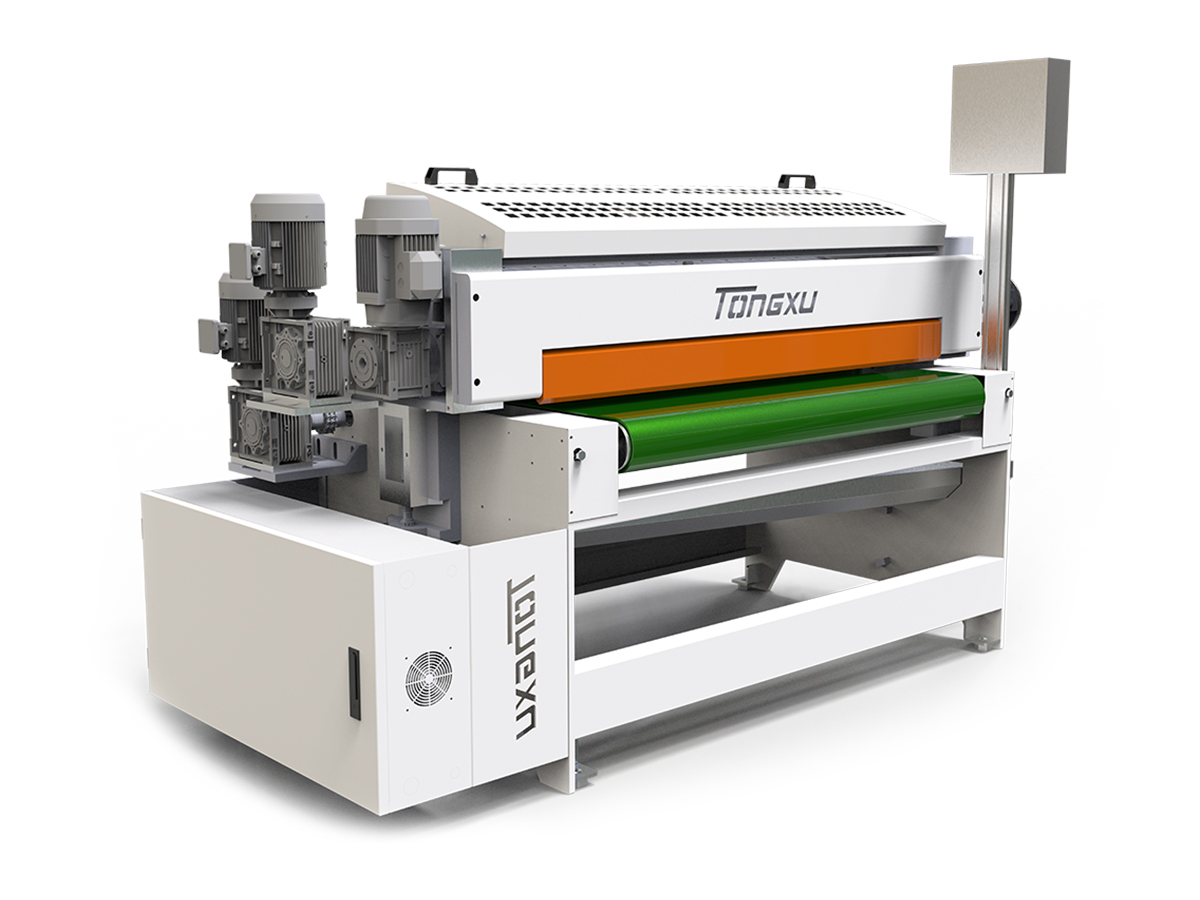
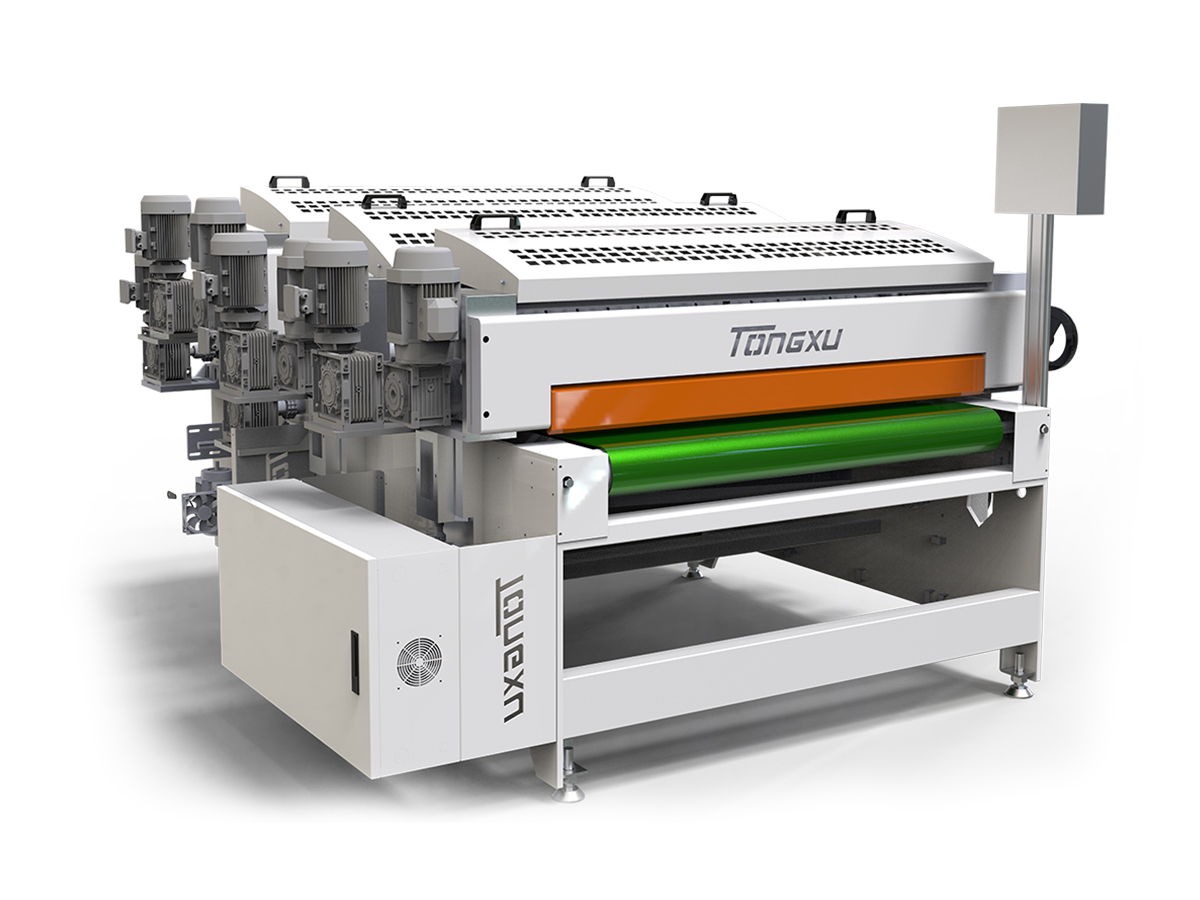
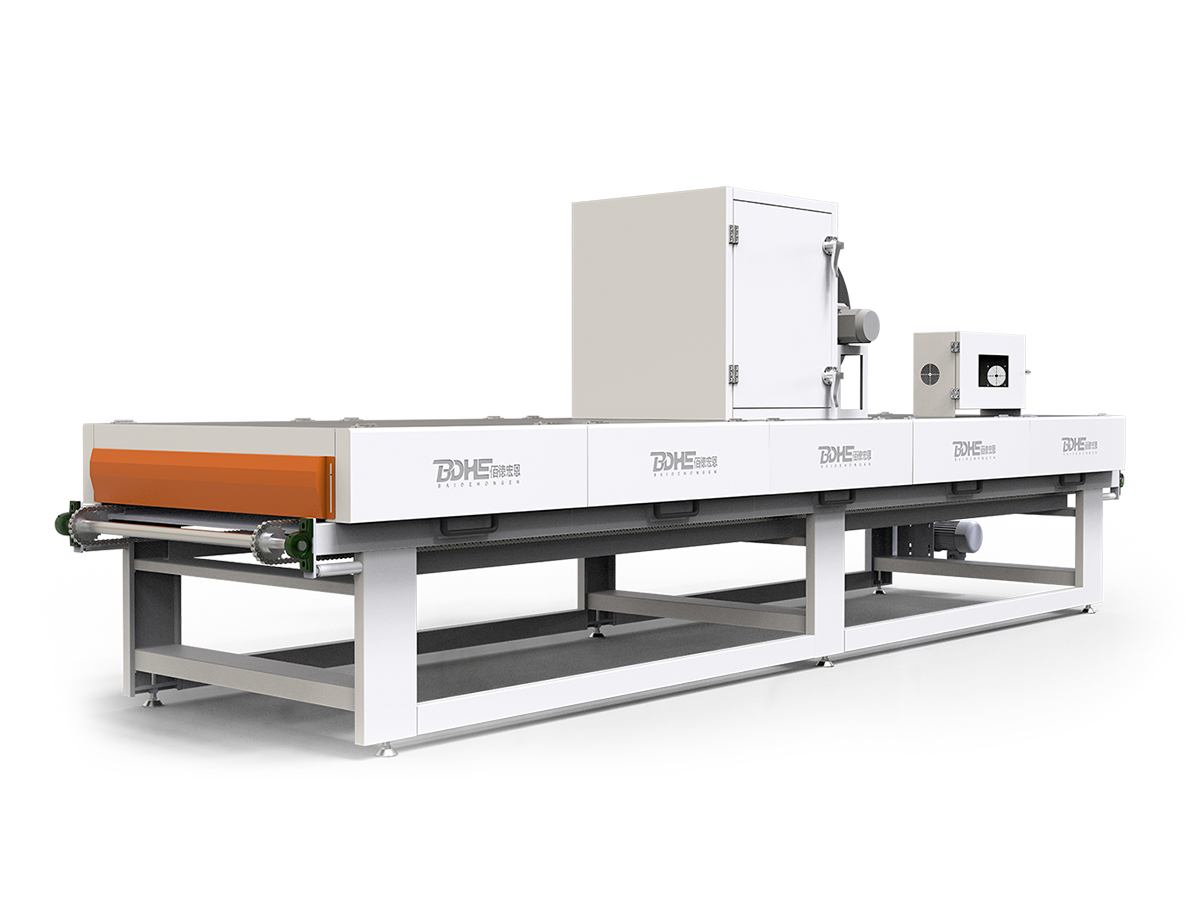
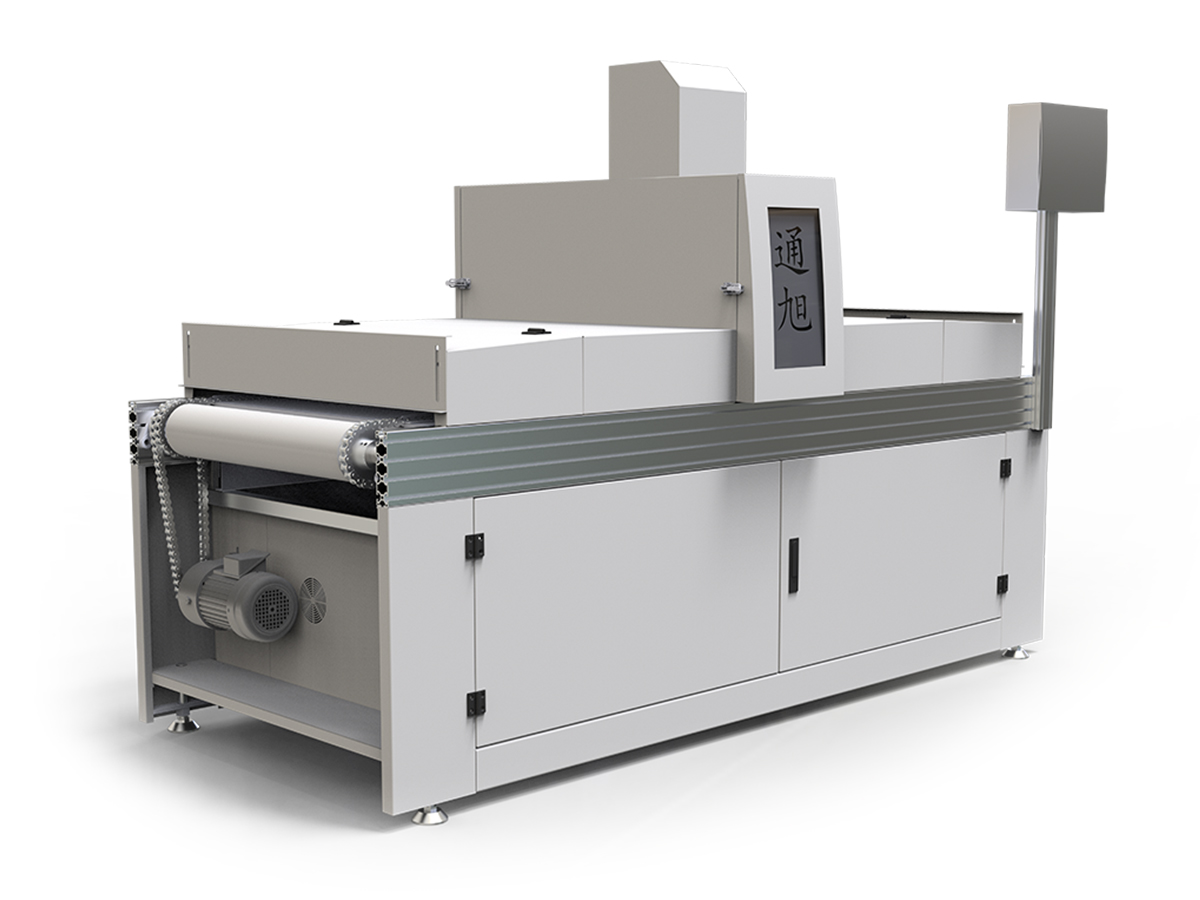
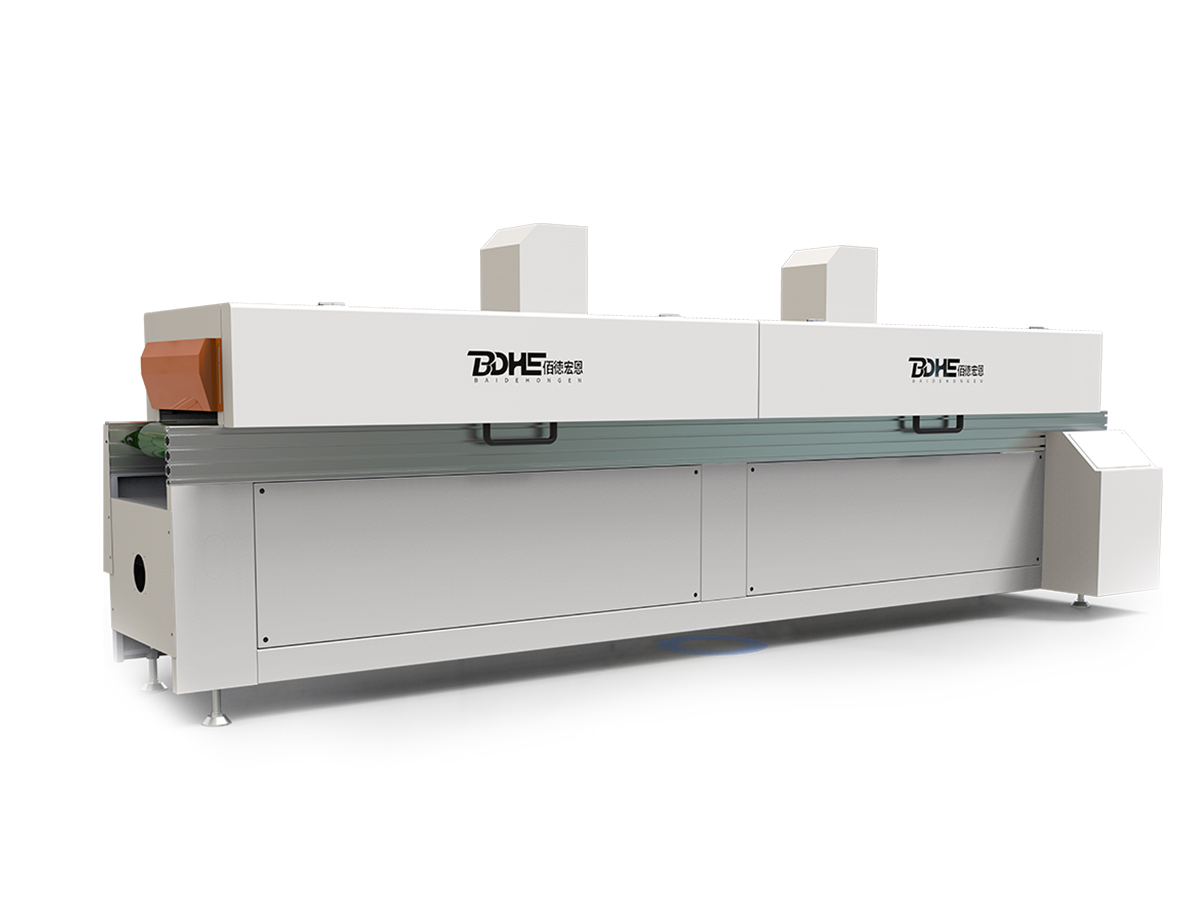
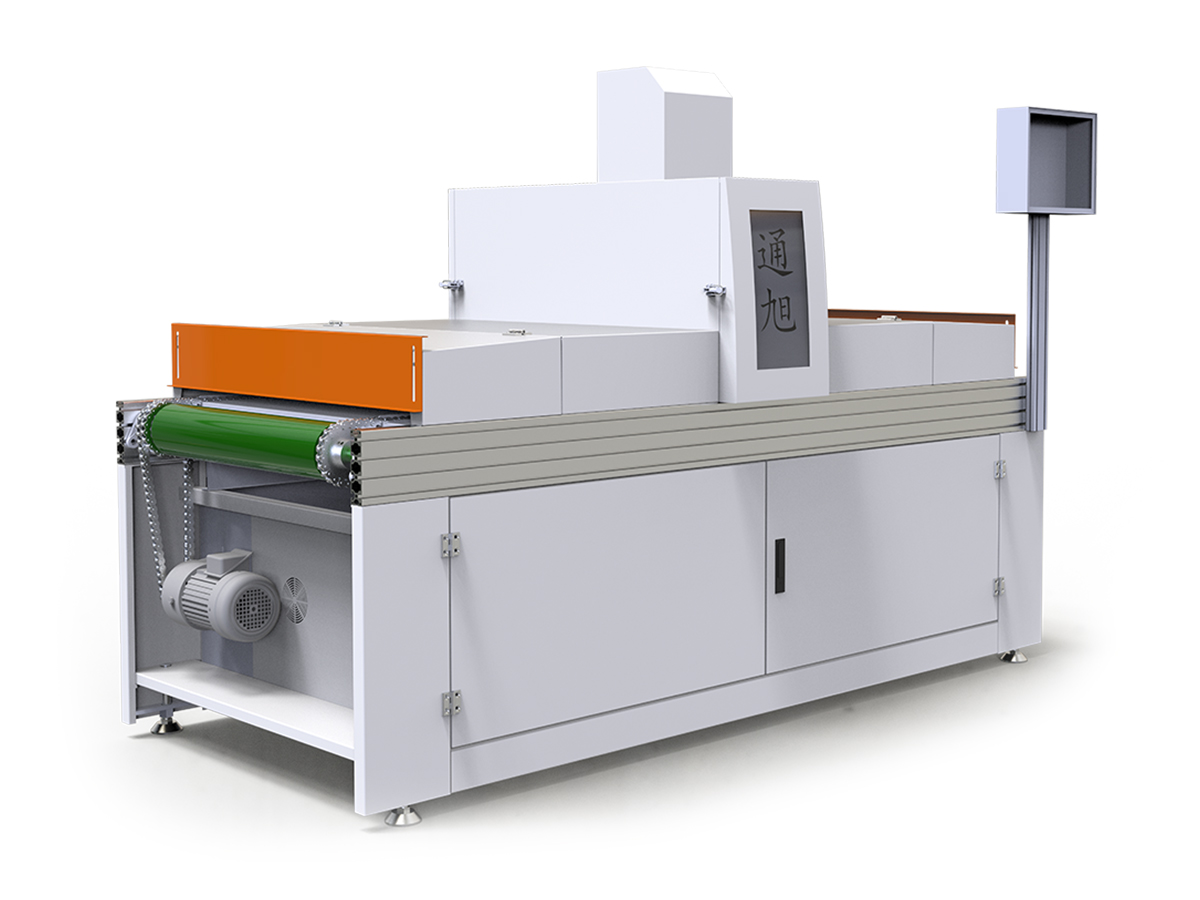
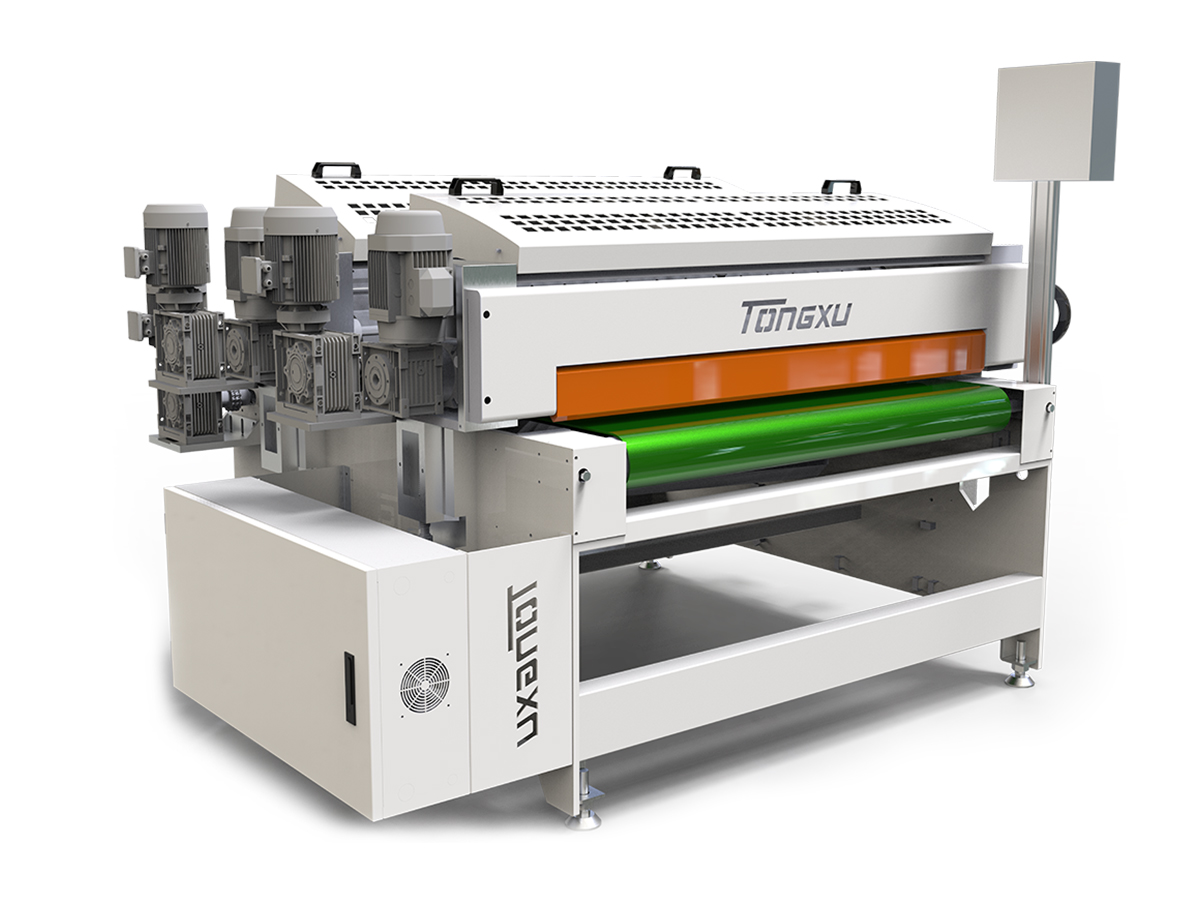
In stark contrast, an automated edge banding coater is designed for continuous, high-speed operation. These machines integrate the entire process into a single, fluid motion. Panels are fed into the machine, where they are automatically aligned. The machine then applies a precise layer of hot-melt adhesive (be it EVA or the more advanced PUR hot melt adhesive), applies the edge banding material, presses it on with consistent pressure, and then trims the front and rear ends as well as the top and bottom edges in one pass. Sophisticated models can process panels at speeds exceeding 20 to 60 meters per minute. This translates to a single machine outputting what would require a large team of manual operators to achieve.
This exponential increase in speed directly addresses challenges related to production capacity and meeting tight deadlines. For businesses experiencing growth or dealing with fluctuating order volumes, an automated system provides the scalability that manual labor cannot. The machine’s throughput is predictable and constant, allowing for accurate production scheduling and reliable lead times. This reliability in output is a critical competitive advantage in a market where speed to customer is often a key differentiator.
Chapter 2: the uncompromising pursuit of consistent quality
While speed is a quantifiable metric, the consistent, superior quality delivered by automation is perhaps its most significant benefit. Manual application is vulnerable to a wide range of human-induced variables that can compromise the final product.
- Adhesive Application: Manual glue application is often uneven. Too little adhesive results in weak bonds, leading to peeling or lifting edges over time, especially in environments with fluctuating humidity and temperature. Too much adhesive can cause messy glue lines, oozing, and requires extensive clean-up, defeating the purpose of a clean finish.
- Alignment and Pressure: Achieving perfect alignment along the entire length of a panel is challenging by hand. Similarly, applying perfectly even pressure with a roller or block is difficult. Inconsistent pressure can cause bubbles, poor adhesion in spots, or a wavy appearance.
- Trimming Precision: Manual trimming with a blade is a skill that takes time to master. Inconsistent angles, gouges into the substrate, or uneven trimming are common issues that can render a panel unsellable or require time-consuming rework.
Automated edge banding coating machine equipment eliminates these variables. The machinery is engineered for repeatable precision.
- Precision Gluing: Automated systems feature precisely controlled glue application systems that apply a thin, perfectly even film of adhesive across the entire edge. The temperature and flow rate are maintained within strict parameters, ensuring optimal bonding characteristics for every single panel.
- Perfect Alignment and Pressure: Guided by laser sensors or mechanical guides, the machine aligns the edge banding perfectly every time. Industrial-grade pressure rollers and beams apply uniform pressure across the entire length and height of the panel, ensuring instant and complete adhesion without bubbles or voids.
- Millimeter-Perfect Trimming: High-frequency motors power cutting tools that trim the ends and edges with absolute precision. The trimming units are adjustable to thousandths of an inch, ensuring a flush, seamless finish that is indistinguishable from the surface of the panel. This level of consistency is simply unattainable through manual means over a large production run.
The result is a dramatically higher first-pass yield rate. The percentage of panels that pass quality inspection without needing repair or being scrapped increases significantly, reducing waste and saving the substantial labor costs associated with rework.
Chapter 3: achieving significant long-term operational economy
The initial investment in an automated edge banding coating machine equipment is undoubtedly higher than the cost of a handheld iron and some trimmers. However, a thorough analysis reveals that automation delivers a far superior return on investment (ROI) and lower total cost of ownership over its operational lifespan.
| Cost Factor |
Manual Application |
Automated Equipment |
| Labor Costs |
High (skilled operators, multiple shifts) |
Low (one operator to feed/unload) |
| Material Waste |
Higher (errors, over-use of adhesive, spoiled panels) |
Significantly Lower (precise application) |
| Rework/Scrap Costs |
High (time and materials to fix errors) |
Very Low (high first-pass yield) |
| Energy Consumption |
Low (per unit) |
Higher (per hour) but lower per panel |
| Output Value |
Fixed and limited |
High and scalable |
Labor, typically the largest expense in manufacturing, is drastically reduced. One automated machine, operated by a single employee tasked with feeding panels and unloading finished pieces, can replace several skilled edge-banding specialists. This not only reduces wage expenses but also mitigates the challenges of finding and retaining highly skilled labor for a repetitive manual task.
Material savings are another major area of economy. The precision of an automated machine means adhesive is applied only where needed and in the exact amount required. There is no over-spray or dripping. Furthermore, the drastic reduction in errors—warped panels, misaligned banding, trimming mistakes—means a dramatic drop in material waste. The cost of saved edge banding materials and substrate panels alone can contribute significantly to the machine’s payback period.
Finally, the energy efficiency of modern machines is a key consideration. While they consume more power than a simple iron, their high throughput means the energy cost per finished panel is remarkably low. Advanced systems often feature energy-saving modes, such as standby heating, to minimize consumption during production pauses.
Chapter 4: enhancing workplace safety and ergonomics
The manufacturing environment is increasingly focused on operator safety and well-being. Manual edge banding presents several notable health and safety risks that are effectively mitigated by automation.
The process involves prolonged contact with high-temperature irons, posing a persistent burn hazard. The repetitive motions of applying pressure and trimming can lead to musculoskeletal disorders, including carpal tunnel syndrome and chronic back pain. Furthermore, manual trimming with sharp blades carries a constant risk of lacerations. There is also the potential for exposure to fumes from melting adhesives, requiring additional ventilation measures.
Automated edge banding coating machine equipment is designed with integrated safety features. Operators are separated from the high-temperature gluing units, cutting blades, and powerful pressing mechanisms by safety guards and light curtains that halt operation if breached. The ergonomic role of the operator shifts from performing strenuous, repetitive motions to simply loading and unloading panels, often at a comfortable height. This not only creates a safer work environment but also reduces absenteeism and lowers insurance premiums, contributing further to the operational economy. Companies committed to providing a comprehensive comprehensive training course for equipment operators find that safety is a cornerstone of that education, ensuring machines are used correctly and safely from day one.
Chapter 5: flexibility and integration in the modern factory
A common misconception is that automation sacrifices flexibility. Modern edge banding coating machine equipment is, in fact, highly adaptable and designed for seamless production line integration.
These machines can be quickly configured to handle a vast array of materials and panel dimensions. With simple adjustments, the same machine can process everything from thin PVC edge banding and flexible ABS edge banding to natural wood veneer and even metals or acrylics. Quick-change tooling allows for rapid switching between different trimming and scraping profiles to accommodate various material thicknesses and finish requirements. This flexibility is crucial for manufacturers running small batch production or custom, made-to-order furniture, allowing them to respond swiftly to changing customer demands without sacrificing efficiency.
Moreover, automated coaters are not isolated islands. They are built to be integrated into a larger intelligent coating system. They can be linked with CNC machining centers via automated conveyors or robotic arms, creating a fully continuous production cell. A panel can be cut, drilled, and its edges finished with minimal human intervention, moving seamlessly from one process to the next. This level of factory automation is the hallmark of Industry 4.0 and represents the future of manufacturing, maximizing equipment utilization and minimizing handling time.
Chapter 6: the role of innovation and technical support
The development of advanced edge banding coating machine equipment is an ongoing process driven by a focus on innovation. Manufacturers are continually refining their designs to improve reliability, ease of use, and final finish quality. This includes the development of machines capable of handling new and exotic materials, as well as specialized versions like the edge banding printing machine, which can print custom patterns or colors directly onto a standard edge banding material for ultimate design flexibility.
Choosing a supplier is about more than just purchasing a machine; it is about entering a partnership. A reputable provider will not only offer high-quality equipment but also the support infrastructure to ensure its long-term success. This includes detailed equipment operation training for the client’s team, comprehensive technical support for troubleshooting, and a robust plan for regular maintenance to keep the machine in top working condition and extend its service life. This holistic approach to customer service ensures that the investment continues to deliver value for years to come.



 English
 中文简体
中文简体