Can Furniture Skin finishing equipment be used for both primer and topcoat applications?
Introduction
In the competitive landscape of furniture manufacturing, the finish is not merely a protective layer; it is the product’s final expression of quality. The journey from raw wood or engineered substrate to a finished piece involves multiple critical steps, with the application of primer and topcoat being among the most vital. Traditionally, these stages were often handled by separate, dedicated machinery or even manual labor, leading to increased floor space requirements, higher equipment costs, and potential inconsistencies in transfer between stages.
The evolution of intelligent coating system technology has fundamentally challenged this paradigm. Modern furniture skin finishing equipment is designed with a high degree of flexibility and precision, capable of adapting to a wide range of materials, viscosities, and application requirements. This adaptability raises a compelling possibility for manufacturers: the consolidation of priming and topcoating processes onto a single, integrated production line.
1. Understanding the distinct roles of primer and topcoat
To comprehend how a single machine can handle both applications, one must first understand the fundamentally different purposes of primer and topcoat. Their chemical composition, physical properties, and desired outcomes dictate specific requirements for the application equipment.
A primer is the foundational coat applied directly to the substrate. Its primary functions are multifaceted. First, it acts as a sealing agent, particularly for porous substrates like wood or medium-density fibreboard (MDF), preventing the absorption of subsequent topcoats and ensuring a uniform finish. Second, it provides adhesion, creating a strong mechanical and chemical bond between the bare substrate and the finishing layers that follow. This is crucial for preventing peeling, cracking, or delamination over the product’s lifespan. Third, primer is often designed to be sanded, creating a perfectly smooth and level surface that is free of imperfections from the substrate itself. Finally, some primers contain additives that block stains from bleeding through the finish or provide specific properties like moisture resistance. The materials used are typically thicker, higher in solids content, and formulated for filling and sealing rather than ultimate clarity or sheen.
In contrast, a topcoat is the final, visible layer of the finish. Its purpose is primarily protective and aesthetic. It must provide resistance to wear, scratches, chemicals, moisture, and ultraviolet light. Aesthetically, it determines the final color, sheen (e.g., matte, satin, gloss), and texture of the piece. Topcoats are formulated to be durable, clear (if used over a stain or basecoat), and to exhibit specific desired visual characteristics. Their viscosity is often different from that of primers, and they are typically applied in thinner, more precise layers.
The key takeaway is that while their purposes are different, the mechanical action of applying a liquid coating—whether by rolling, curtain, or spraying—is a transfer process that can be mastered by a well-engineered machine. The challenge for wood furniture finishing equipment is to be adjustable enough to handle the different material properties and application precision required for each layer.
2. The versatility of modern furniture skin finishing equipment
The term “furniture skin finishing equipment” encompasses a broad range of machines designed for applying liquid coatings to flat, linear, and three-dimensional substrates. The versatility of these systems is the cornerstone of their ability to handle multiple coating stages. This versatility is achieved through modular design, advanced control systems, and interchangeable application components.
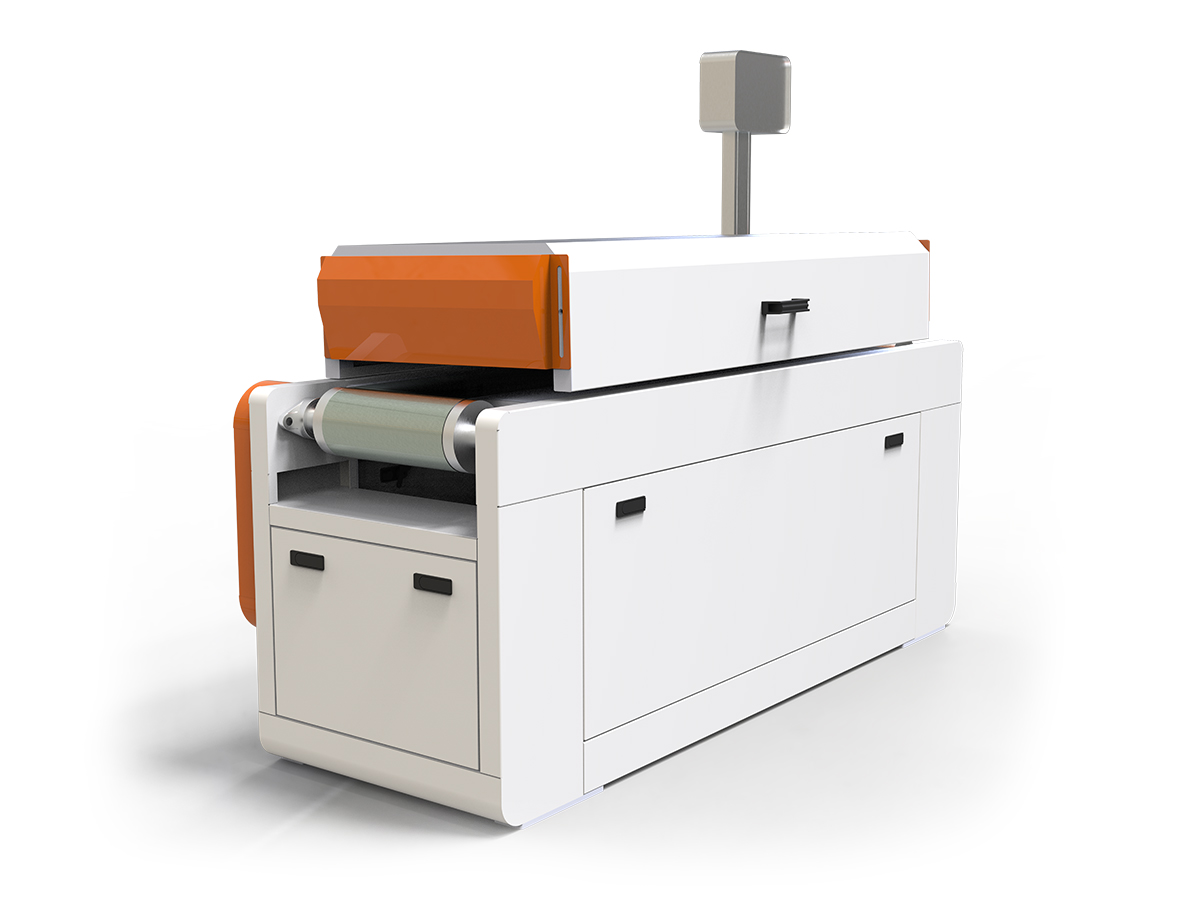
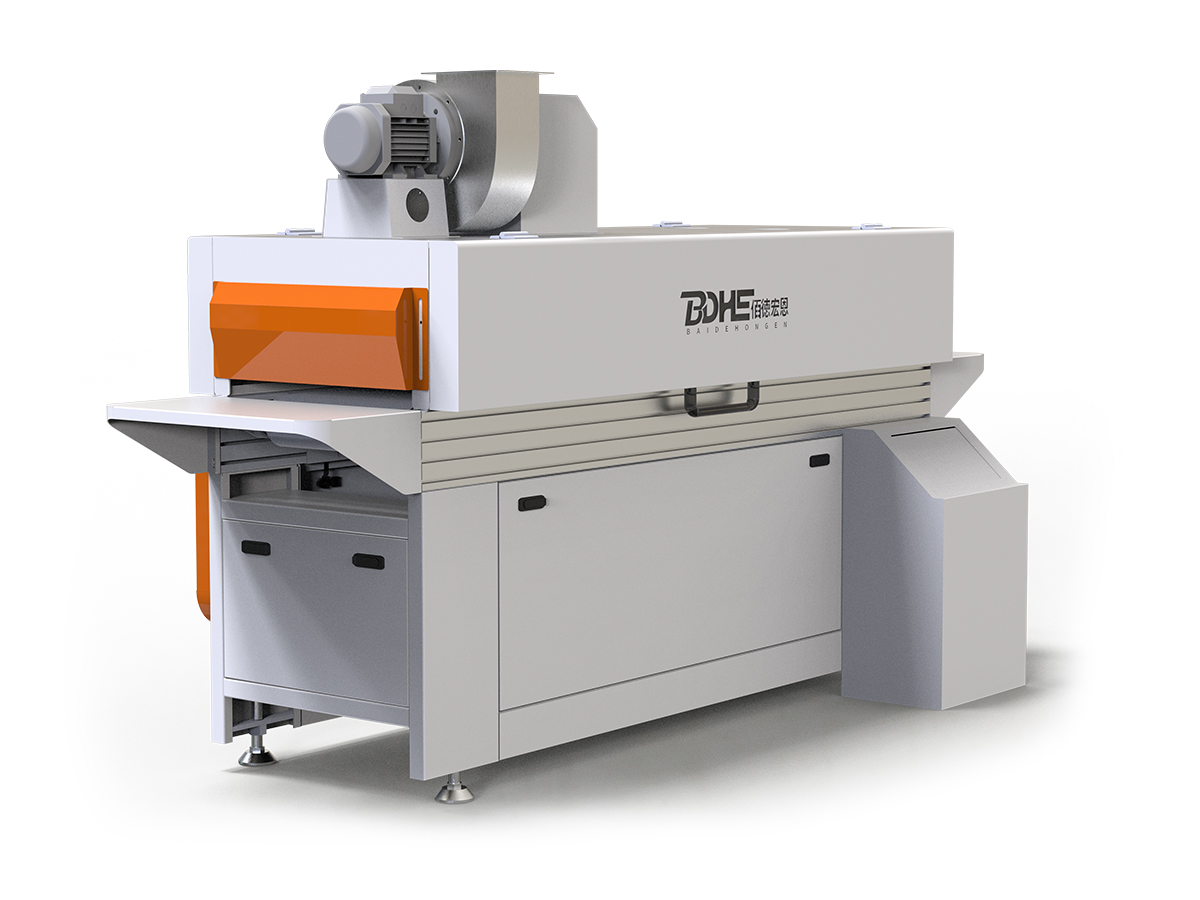
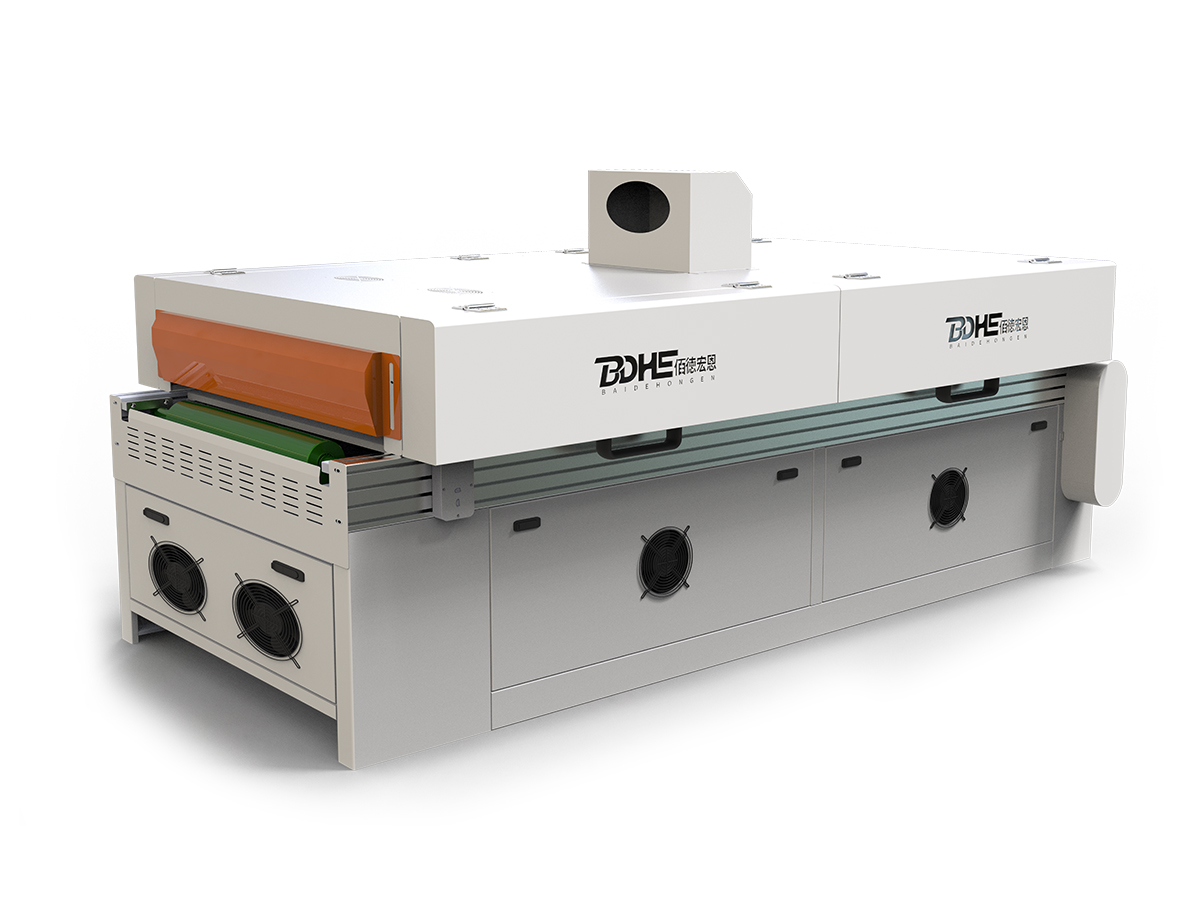
Modern systems are rarely single-function machines. Instead, they are conceived as flexible platforms. A standard piece of furniture finishing equipment from a comprehensive product line often includes a conveyor system, a coating application station, and a drying or curing section. The application station is the heart of this flexibility. For instance, a machine might be designed to allow operators to easily swap out a roller coating head for a spray coating module, depending on the requirement of the specific coat being applied. This modularity means that a production line can be configured to apply a thick, filling primer via roller coating in the morning and be reconfigured to apply a thin, precise topcoat via spraying in the afternoon.
Furthermore, the intelligence driving this equipment is a critical factor. Sophisticated Programmable Logic Controller (PLC) systems allow operators to save and recall recipes for different products and coating stages. A “recipe” for primer application would store parameters such as the roller RPM, the gap between the roller and the conveyor bed, the pump pressure, and the conveyor speed. A separate recipe for a topcoat would store a completely different set of parameters optimized for that material’s viscosity and desired film thickness. This digital recall eliminates lengthy manual adjustments and ensures consistency and repeatability when switching between priming and topcoating tasks.
This inherent versatility, both mechanical and digital, is what makes the concept of a dual-purpose machine not only possible but also highly efficient. It transforms the equipment from a simple applicator into a dynamic and adaptable tool for the modern finishing shop.
3. Key technical considerations for dual application
Successfully utilizing one machine for both primer and topcoat is not a matter of simply pouring a different material into the tank. It requires careful attention to several interconnected technical considerations. Overlooking any one of these can lead to subpar finish quality, equipment damage, or production downtime.
3.1. Material compatibility and system contamination
The most significant risk in switching materials within a single system is cross-contamination. Primer residue left in hoses, pumps, or application heads can ruin a batch of clear topcoat, introducing imperfections, discoloration, or fish eyes. Therefore, the equipment must be designed for easy and thorough cleaning, known as a purge cycle. Systems intended for multi-product use feature quick-disconnect fittings, clean-in-place (CIP) capabilities, and designs that minimize dead spots where material can pool and solidify. The choice of wetted parts—the components that come into direct contact with the coating—is also crucial. They must be compatible with the chemical composition of both primers and topcoats to prevent degradation. For many modern coatings, stainless steel or specialized polymers are required.
3.2. Application technology selection
Different coating stages often benefit from different application technologies. A single machine may need to accommodate these.
- Roller coating: Ideal for applying uniform, high-build coats to flat surfaces. It is exceptionally efficient for primers and basecoats on sheet goods like MDF or particle board, providing excellent filling and sealing. For topcoats, roller coating can be used for certain opaque finishes but is less suitable for clear coats on intricate surfaces where a uniform film thickness is critical.
- Curtain coating: Excellent for applying a perfectly uniform film over flat panels. It is highly efficient for both primers and topcoats, especially for achieving a flawless, high-gloss finish without orange peel. It requires careful control of material viscosity.
- Spray coating: The most versatile method, suitable for both primers and topcoats on flat, linear, and three-dimensional workpieces. Automated spray systems, using airless, air-assisted airless, or electrostatic technologies, can be programmed to follow complex contours, ensuring complete coverage. Spraying is often the preferred method for the final topcoat on complex furniture parts.
A machine capable of dual application might combine these technologies in a single pass line or be designed for easy module changeover.
3.3. Precision control and adjustment
The equipment must offer precise control over application parameters. Primer may require a heavier film build (e.g., 5-6 mils wet), while a topcoat may require a much finer application (e.g., 3-4 mils wet). The machine must reliably and repeatably adjust to achieve these different targets. Key controls include:
- Conveyor speed: A slower speed applies more material.
- Roller gap/rotation speed: Precisely controls the amount of material picked up and transferred.
- Pump pressure and fluid delivery rate: Critical for spray and curtain coating systems.
- Viscosity control: Some advanced systems include onboard viscometers and temperature control to maintain material consistency.
3.4. Drying and curing integration
The priming and topcoating stages often have different drying or curing requirements. A primer might need flash-off time to allow solvents to evaporate before being sanded, while a UV-curable topcoat requires immediate exposure to ultraviolet light. A comprehensive furniture finishing equipment line designed for full finishing will integrate different curing technologies. This could involve infrared (IR) pre-dryers, heated flash-off tunnels, and UV curing lamps. The system’s conveyor must be able to transport workpieces through these different environments at speeds tailored to each material’s cure profile.
4. Configuring a system for primer and topcoat applications
Building upon the technical considerations, configuring a specific system for dual application involves strategic decisions about the production workflow. There are two primary approaches: single-station processing and integrated line processing.
4.1. Single-station processing with changeover
This configuration involves a single application machine, such as a roller coater or a spray booth, that is used for both primer and topcoat at different times. This is common in smaller shops with lower production volumes. The process involves completing a batch of parts through the priming stage (including off-line sanding), thoroughly cleaning the furniture skin finishing equipment, reconfiguring it for the topcoat material (loading the new recipe), and then running the same batch of parts for topcoating.
- Advantages: Lower initial equipment cost, minimal floor space requirement.
- Disadvantages: Significant downtime for changeover and cleaning, requires meticulous cleaning procedures to prevent contamination, less efficient for high-volume production.
4.2. Integrated multi-station line processing
This is the ultimate expression of dual-purpose capability. A single, continuous production line is configured with multiple application stations. For example:
- Station 1: A roller coating unit applies primer.
- Station 2: An IR or heated air flash-off tunnel dries the primer for sanding.
- (Parts are typically off-loaded for automated or manual sanding after the primer is dry)
- Station 3: Re-entry conveyor leads parts to a spray coating unit for topcoat application.
- Station 4: A UV curing lamp or final drying tunnel cures the topcoat.
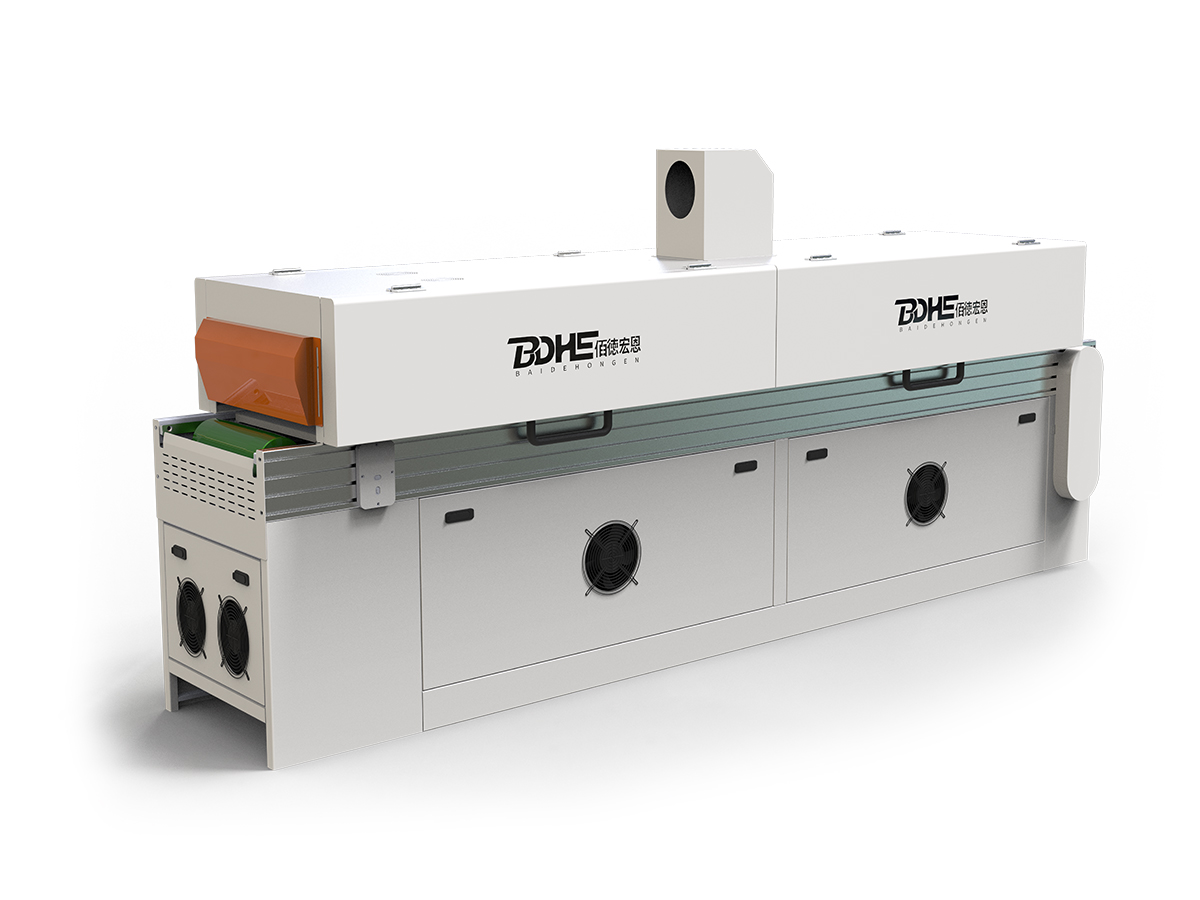
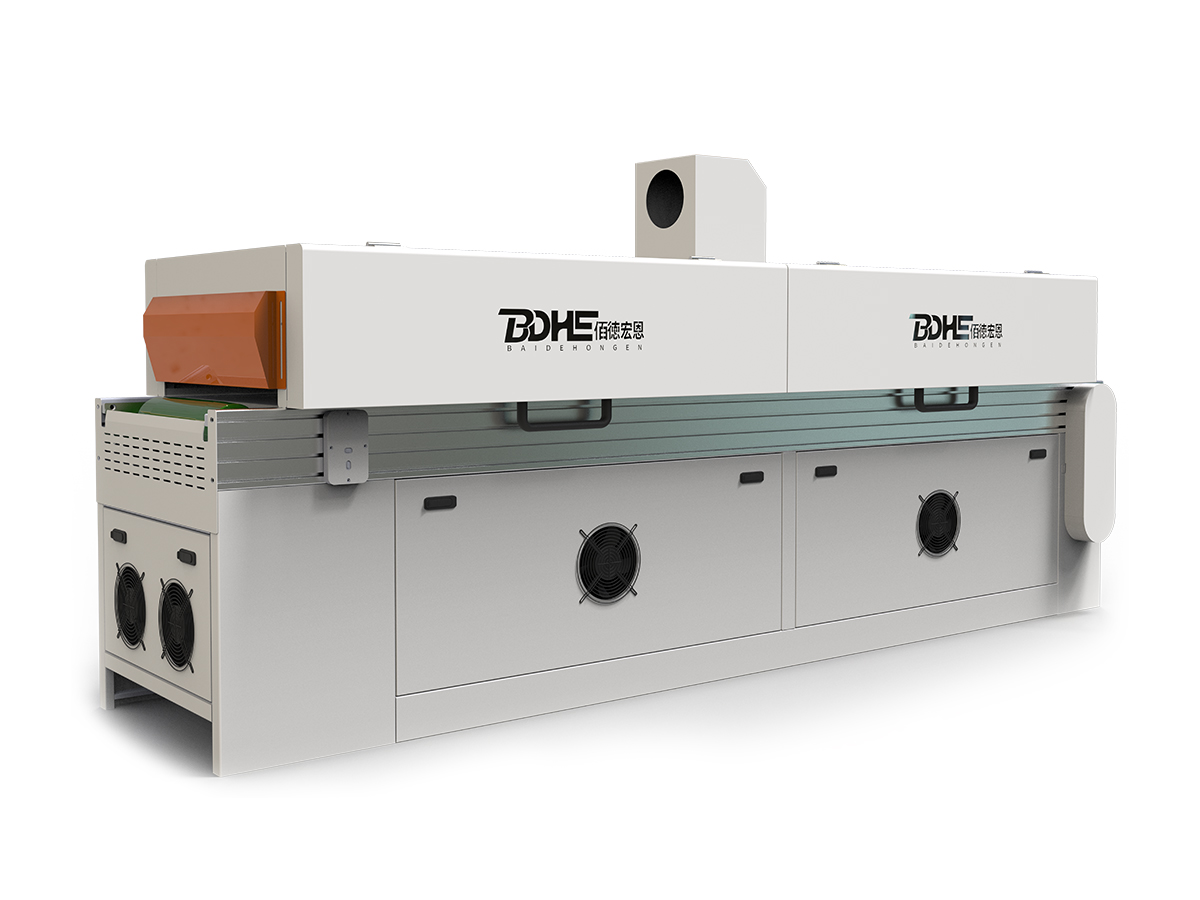
In this setup, the line is a unified whole—a complete furniture finishing equipment ecosystem. The conveyor system is the constant, moving parts seamlessly from one specialized station to the next. This configuration is designed for high-volume, high-efficiency production where minimizing handling and maximizing throughput are critical.
- Advantages: Maximum throughput and efficiency, minimal handling and changeover downtime, consistent quality through integrated process control.
- Disadvantages: Higher initial investment, requires more factory floor space, more complex to maintain and operate.
The choice between these configurations depends entirely on the manufacturer’s specific productivity and efficiency needs, production volume, product mix, and available capital.
5. The critical role of operation, maintenance, and training
Even the most advanced and perfectly configured machine will fail to perform its dual role effectively without proper operation and maintenance. This human factor is as important as the engineering of the equipment itself.
Regular maintenance is the non-negotiable foundation of reliable performance. Switching between different coating materials accelerates wear on seals, hoses, and pumps if they are not properly maintained. A rigorous schedule for inspecting, cleaning, and replacing wear parts is essential. This includes daily tasks like purging the fluid system with appropriate solvents and weekly or monthly tasks like inspecting roller coverings for wear or checking spray tips for erosion. Performance optimization services, often available from the equipment provider, can help ensure the machine continues to operate at its peak efficiency years after installation.
Furthermore, comprehensive training courses are invaluable. Operators must be thoroughly trained not only on how to run the machine but also on the science behind the process. They need to understand:
- Equipment operation: How to safely load recipes, change application heads, and run the conveyor system.
- Safe use: How to handle coatings and solvents responsibly, including proper use of personal protective equipment (PPE) and ventilation systems.
- Maintenance techniques: How to perform daily cleanings and basic troubleshooting to identify issues before they cause downtime or quality defects.
This deep knowledge empowers operators to become proactive problem-solvers, ensuring that the wood furniture finishing equipment remains a versatile and reliable asset.



 English
 中文简体
中文简体