Conclusion: Integrated Coating Production Lines Improve Efficiency and Finish Quality
A well-designed furniture coating production line or floor coating production line directly improves coating consistency, reduces material waste, and increases throughput. By combining automated conveying, precise coating systems, and controlled curing processes, modern furniture and floor coating equipment enables manufacturers to achieve stable output quality while reducing labor dependence. In most industrial setups, production efficiency can increase by 30 percent to 60 percent, while coating material utilization improves by 15 percent to 25 percent.
The key lies in selecting equipment configurations that match product type, coating material, and required finish standards rather than adopting a generic system.
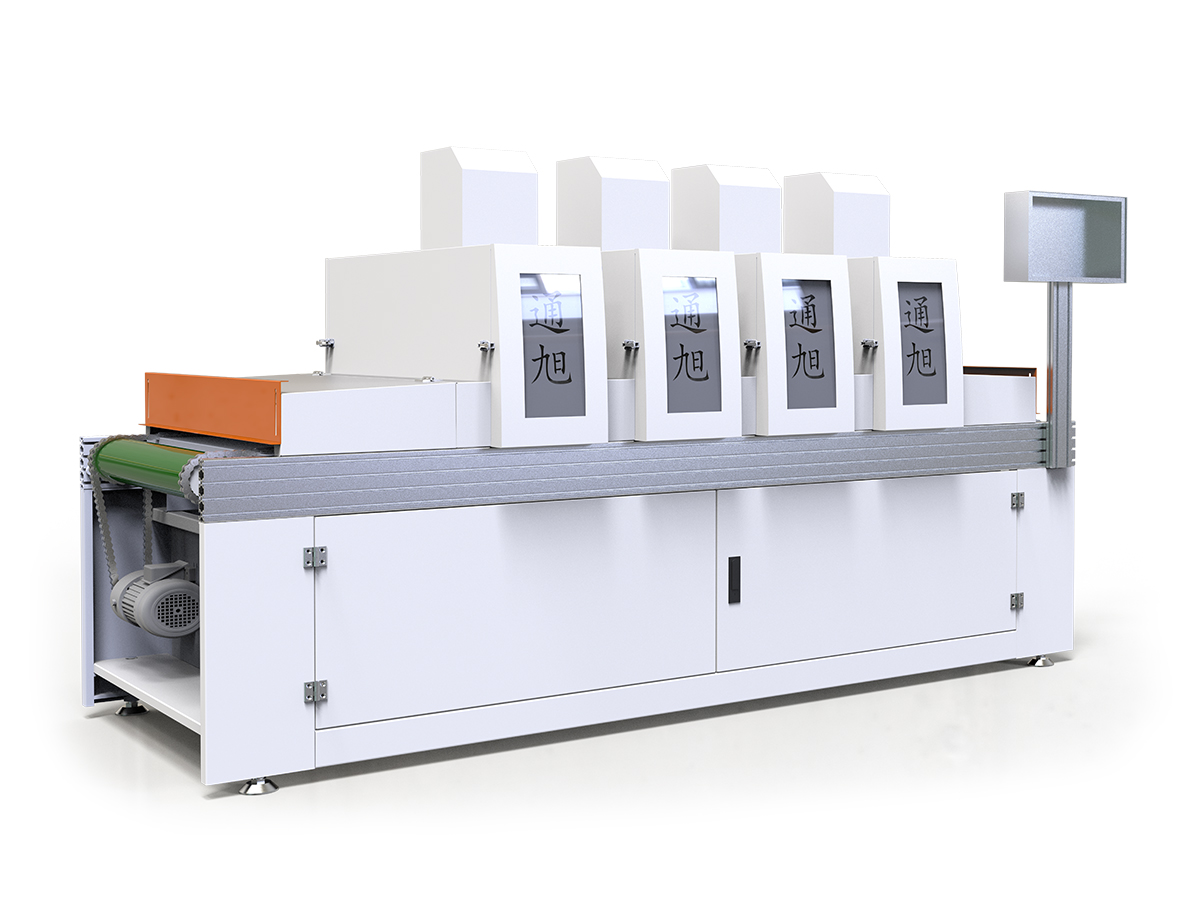
Core Components of Furniture and Floor Coating Equipment
A complete coating production line consists of multiple integrated systems. Each component plays a specific role in achieving a uniform and durable coating layer.
- Surface preparation machines such as sanding or cleaning units
- Automatic spray or roller coating machines
- Drying and curing ovens including UV or IR systems
- Conveyor systems for continuous material handling
- Dust removal and environmental control systems
For example, in a standard furniture coating line, integrating a UV curing system can reduce drying time from several hours to less than 5 minutes, significantly increasing throughput.
Although both systems share similar processes, their configurations differ due to product geometry, coating thickness, and durability requirements.
| Aspect |
Furniture Coating Line |
Floor Coating Line |
| Product Shape |
Complex and varied |
Flat and uniform |
| Coating Method |
Spray coating dominant |
Roller coating dominant |
| Coating Thickness |
Thin to medium layers |
Thicker wear-resistant layers |
| Output Efficiency |
Moderate |
High continuous output |
Comparison of furniture and floor coating production line configurations
Floor coating lines prioritize high-speed processing and abrasion resistance, while furniture coating lines focus more on surface aesthetics and detailed finishing.
Key Performance Factors in Coating Production Lines
Selecting the right production line requires evaluating measurable performance indicators that directly affect output and quality.
Coating Uniformity
High-quality equipment maintains thickness deviation within ±5 percent, ensuring consistent appearance and durability.
Material Utilization Rate
Advanced spray systems with recovery units can achieve utilization rates above 80 percent, reducing coating waste.
Production Speed
Continuous floor coating lines can operate at speeds exceeding 20 meters per minute, depending on curing technology and coating type.
Energy Consumption
Energy-efficient curing systems, particularly UV curing, can reduce energy usage by 30 percent or more compared to traditional thermal drying.
Typical Process Flow in Coating Production Lines
A structured process flow ensures stable production and consistent coating results across batches.
- Surface sanding and cleaning to remove impurities
- Primer coating application for base adhesion
- Intermediate drying or curing stage
- Topcoat application for final finish
- Final curing and cooling process
In automated systems, this entire process operates continuously, minimizing manual intervention and reducing production errors.
How to Select the Right Coating Production Line
Equipment selection should be based on specific production requirements rather than general specifications.
- Define product type such as panels, boards, or assembled furniture
- Confirm coating material including water-based, solvent-based, or UV coatings
- Evaluate required production capacity per hour or per shift
- Assess available factory space and layout constraints
- Consider environmental and emission requirements
For example, a manufacturer producing flat wooden flooring panels in large volumes benefits more from a roller coating system with UV curing, while a custom furniture producer requires flexible spray coating systems.
Application Scenarios and Industry Use Cases
Furniture and floor coating production lines are widely used across multiple industries where surface finishing plays a critical role.
- Wooden furniture manufacturing including cabinets and tables
- Laminate and engineered flooring production
- Decorative panels and wallboard coating
- Industrial board and composite material finishing
In large-scale flooring factories, automated coating lines can operate continuously for 16 to 24 hours per day, maintaining stable output and reducing downtime.



 English
 中文简体
中文简体

