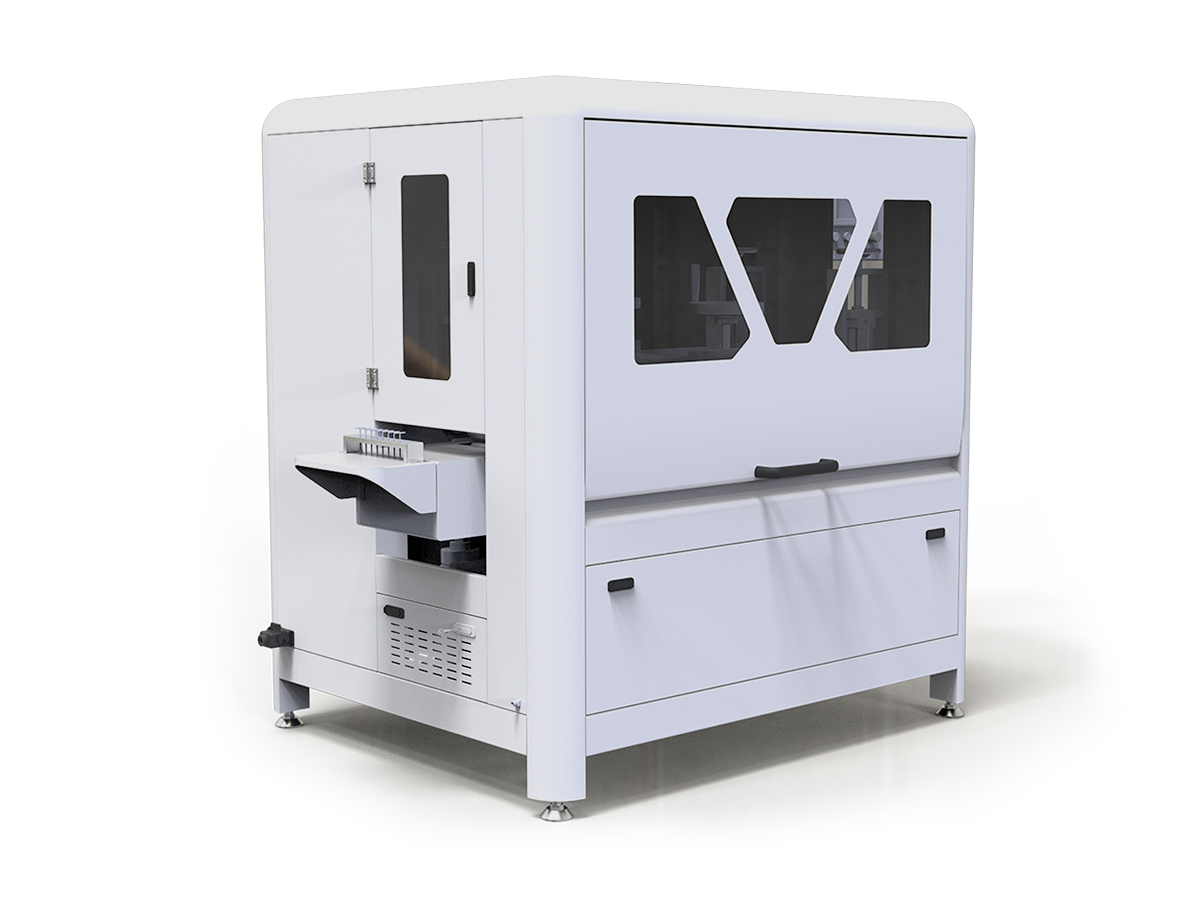
A furniture surface coating machine is an industrial system that automates the application of paints, lacquers, UV coatings, and stains onto flat or shaped wood panels. For manufacturers, it is not just a convenience but a decisive upgrade: automated coating can reduce labor costs by up to 60% and cut material waste by 20–40% compared to manual spray operations, while delivering film thickness uniformity within ±2 microns. The technology brings consistency, speed, and repeatability that hand finishing simply cannot match.
How Does a Furniture Surface Coating Machine Work?
Most coating machines operate on a continuous conveyor system that moves panels through a series of stations. First, a brushing or blow-off unit removes dust. The coating application station then deposits a precise amount of material—using a roller, spray array, or liquid curtain—while sensors and precision controls maintain a constant wet film thickness. Immediately afterward, the panel enters a drying or curing tunnel. In UV coating lines, for example, a high-intensity UV lamp polymerizes the finish in under 2 seconds, allowing the panel to be handled and stacked right after the line exit. This closed-loop process ensures that every square meter receives exactly the same amount of coating, eliminating the variation inherent in manual spraying.
Main Types of Surface Coating Machines for Furniture
The choice of machine depends heavily on the substrate, required finish, and production volume. The four most common types in furniture manufacturing are outlined below.
Comparison of common furniture surface coating machine types
| Machine Type |
Coating Materials |
Ideal For |
Max Speed |
| Roller Coater |
UV lacquer, stain, sealer, paint |
Flat panels, MDF, plywood |
20–30 m/min |
| Spray Line (Reciprocating/Robotic) |
Water-based paint, solvent paint, adhesive |
Profiled edges, 3D surfaces, chairs |
2–8 m/min (complex shapes) |
| Curtain Coater |
High-build lacquer, adhesive, UV filler |
Flat large panels, flooring, tabletops |
15–25 m/min |
| Vacuum Coater |
Stain, thin sealer, oil |
Profiled moldings, doors with grooves |
5–15 m/min |
Roller coaters dominate flat-line finishing because of their speed and near-zero overspray. Spray lines, despite being slower, are indispensable for furniture with shaped parts such as chair legs or cabinet doors with deep profiles. Curtain coaters excel at applying thick, even films in a single pass, making them ideal for production lines where build-coat volume is critical.
Key Benefits of Automated Furniture Coating
- Unmatched consistency — Automated machines maintain film build within a tolerance of ±2 microns, ensuring that the first panel and the ten-thousandth look identical. This drastically reduces rejects and rework.
- Material savings — Closed systems and high transfer efficiency (often above 95% for roller coaters) mean significantly less coating is lost to overspray or evaporation. Factories report saving 20–40% on paint and lacquer annually.
- Higher throughput — A roller coater can process up to 30 linear meters per minute, allowing a single shift to coat thousands of cabinet doors. This output would require multiple spray booths and skilled operators.
- Health and environmental compliance — Enclosed spray lines with integrated air filtration capture VOCs and particulate, keeping workplace exposure well below regulatory limits and simplifying permits.
A 2022 case study from a medium-sized cabinet manufacturer showed that switching from manual spray guns to a combination roller coater and reciprocating spray line increased output by 280% while reducing finishing defects to less than 0.8%, paying back the equipment investment in under 14 months.
How to Select the Right Coating Machine for Your Production
Choosing a coating machine is not just about speed—it requires matching the technology to your specific product mix and chemistry. Start by defining your panel types: predominantly flat components call for a roller or curtain coater, while shaped parts demand a spray line or vacuum coater. Next, consider the coating chemistry. UV-curable coatings work exceptionally well with roller coaters because the instant cure eliminates dust pickup, while water-based paints often pair best with heated spray booths to accelerate flash-off.
Capacity planning is equally critical. A machine rated for 8 m/min can handle roughly 3,000–4,000 square meters per shift, assuming standard panel sizes and 80% line utilization. Factor in future growth: a modular line that allows adding another coating head or drying zone later can protect your investment. Finally, evaluate total cost of ownership—not just purchase price. A machine with higher transfer efficiency and lower maintenance intervals will often deliver lower cost per square meter within the first two years, even if the upfront tag is higher.



 English
 中文简体
中文简体

