A furniture surface treatment machine is production equipment that applies a protective or decorative coating — paint, lacquer, UV-cured finish, or oil — to wood furniture components in a controlled, repeatable way, replacing manual brush or hand-spray application on a production line. The same category of equipment is often called a wood surface treatment machine when it's used earlier in the process on raw wood panels or components rather than finished furniture assemblies, though the underlying spraying, coating, and curing technology overlaps heavily between the two.
The core problem this equipment solves is consistency at volume. Manual finishing depends heavily on individual operator technique, and coating thickness, coverage evenness, and finish quality can vary noticeably from piece to piece. Automated or semi-automated surface treatment lines apply coating through fixed spray patterns, controlled feed speeds, and calibrated curing conditions, which keeps output far more consistent across a full production run than hand-applied finishing can achieve.
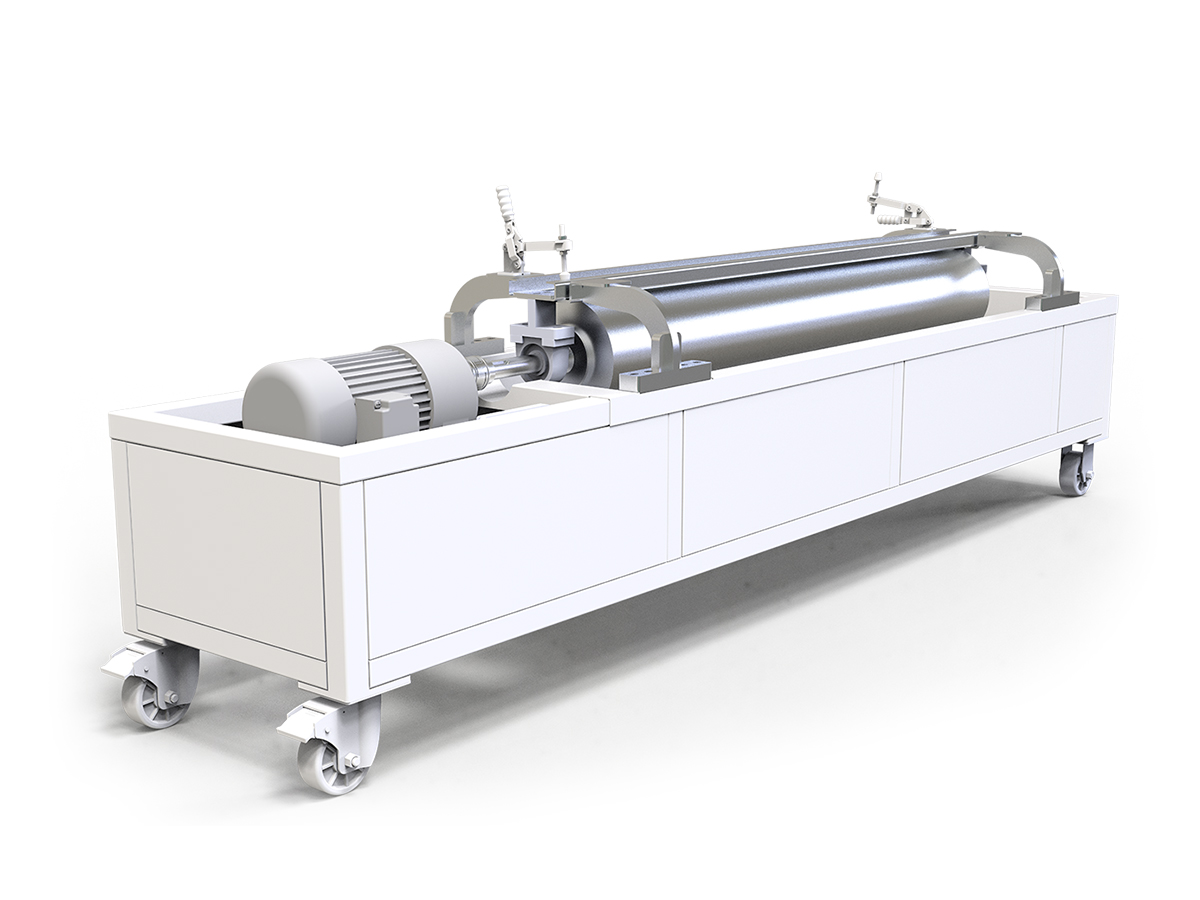
How a Wood Finishing Machine Fits Into the Production Line
Most factory-scale furniture finishing machine and wood finishing machine setups follow a similar sequence of stages, even though the specific machinery model varies by manufacturer:
- Surface preparation — sanding and dust removal to create a clean, even surface that coating can bond to properly; residual dust is one of the most common causes of finish defects further down the line.
- Base coat application — the primary coating layer is applied through spraying, roller coating, or curtain coating depending on the piece's shape and the finish being used.
- Leveling and drying or curing — the coated piece passes through a flash-off zone to let the coating level out, followed by either heat drying for conventional finishes or UV curing for photoinitiator-based coatings.
- Sanding between coats — for multi-layer finishes, a light sanding pass between coats improves adhesion and surface smoothness for the next layer.
- Top coat and final cure — a final protective layer is applied and cured, often followed by a cooling zone before the piece moves to packaging or assembly.
Line speed and coating quality are usually in tension with each other — pushing feed speed up to increase throughput generally requires either faster-curing coating chemistry or additional curing capacity to avoid pieces leaving the line before the finish has properly set.
Coating Machines vs. Spraying Machines: What's the Difference
These terms get used loosely, but they describe distinct application methods with different strengths depending on the piece geometry and finish type:
| Machine Type |
Application Method |
Best Suited For |
| Furniture spraying machine |
Atomized coating sprayed through nozzles, often with reciprocating or robotic arms |
Complex shapes, profiled edges, carved or contoured surfaces |
| Furniture coating machine (roller/curtain) |
Coating applied via roller contact or a falling curtain of material |
Flat panels, doors, and boards where consistent thickness across a flat surface matters |
Common application methods used across furniture and wood surface finishing equipment.
Spraying wastes more coating material through overspray but handles irregular geometry that roller or curtain systems can't reach, while roller and curtain wood coating machine setups deliver higher material efficiency and more uniform film thickness, but only on largely flat, uninterrupted surfaces. Many factories run both machine types on different segments of the same line to cover different component shapes within one product line.
UV Coating Machines for Furniture
A UV coating machine for furniture uses ultraviolet light to cure a coating that contains photoinitiators, triggering a near-instant chemical cross-linking reaction rather than relying on solvent evaporation or heat to dry. This is the main advantage UV systems offer over conventional finishes: cure times measured in seconds under the UV lamp rather than the minutes or hours needed for solvent-based or waterborne coatings to dry through heat or ambient air.
The faster cure translates directly into higher line speeds and less floor space tied up with drying racks or tunnels, which is why UV systems have become common on higher-volume furniture production lines despite generally higher upfront equipment cost compared to conventional spray-and-dry setups. UV-cured finishes also tend to produce harder, more scratch-resistant surfaces than many conventional coatings, which is a meaningful selling point for furniture categories that see heavy daily contact, such as tabletops and cabinet fronts.
The trade-off is that UV curing works best on relatively flat or gently contoured surfaces where the UV lamp can maintain consistent line-of-sight exposure across the coated area — deeply recessed profiles or complex 3D shapes can leave shadowed areas that don't fully cure, which is why UV lines are more common for flat-panel furniture components than for heavily carved or sculpted pieces.
Choosing Furniture and Wood Surface Finishing Equipment
Selecting the right furniture surface finishing equipment or wood surface finishing equipment mostly comes down to matching the machine to the product mix rather than chasing the highest-spec line available:
- Product geometry mix — a factory producing mostly flat panels gets more value from roller or curtain coating capacity, while one producing carved or profiled furniture needs spray capability regardless of throughput targets.
- Coating chemistry compatibility — UV curing requires UV-reactive coating formulations; switching an existing line to UV isn't just a lamp upgrade if the coating chemistry doesn't match.
- Line speed vs. floor space — faster curing methods reduce the drying or curing zone's footprint, which matters more for factories with limited floor space than for those with room to add conventional drying tunnels.
- Material and coating waste — spray systems with reclaim or recirculation capability recover a meaningful portion of overspray material, which affects the real cost-per-unit comparison against roller or curtain systems over time.
Factories running mixed product lines often end up with hybrid setups — a curtain or roller coater for flat components paired with a spray booth for detailed or contoured pieces — rather than trying to force one machine type to handle every product shape in the catalog.



 English
 中文简体
中文简体

