In modern manufacturing, achieving a perfect, durable, and functional finish is paramount. At the heart of this process lies the surface coating machine, a sophisticated piece of equipment designed to apply a uniform layer of material onto a substrate. Whether for aesthetic enhancement, corrosion protection, or adding specific functional properties, these machines are indispensable across industries. This comprehensive guide delves into the technology behind coating machinery, explores key selection criteria, and highlights advanced applications to help you make an informed decision for your production needs. As a dedicated manufacturer, Huzhou Tongxu Machinery Equipment Co., Ltd. combines years of R&D with advanced manufacturing concepts to deliver intelligent coating solutions that drive productivity and quality.
Understanding Surface Coating Machine Technology
The core function of a surface coating machine is the precise, controlled deposition of a coating material. The technology encompasses several critical subsystems that work in harmony.
Core Application Methods
Different application methods are suited for different materials, viscosities, and end-product requirements. The three primary technologies are roller coating, curtain coating, and spray coating.
Comparison of Primary Coating Technologies
The choice between roller, curtain, and spray coating significantly impacts finish quality, speed, and material usage. Each method has distinct advantages and ideal use cases.
For instance, roller coating is typically more efficient for flat, continuous substrates, while spray coating offers superior flexibility for complex, three-dimensional parts. Curtain coating stands out for its exceptional speed and uniform application on flat surfaces.
| Method |
Best For |
Finish Quality |
Speed |
Material Efficiency |
| Roller Coating |
Flat panels, films, metals |
Very smooth, uniform |
High |
High (closed system) |
| Curtain Coating |
Flat boards, furniture, composites |
Excellent uniformity, no overlap marks |
Very High |
High (excess is recycled) |
| Spray Coating |
3D parts, automotive components, intricate shapes |
Good, can require overspray management |
Medium to High |
Lower (overspray loss) |
Key Machine Components and Their Functions
- Coating Head/Applicator: The heart of the machine where the coating is precisely metered and applied.
- Material Delivery System: Includes pumps, hoses, and tanks to supply coating material consistently.
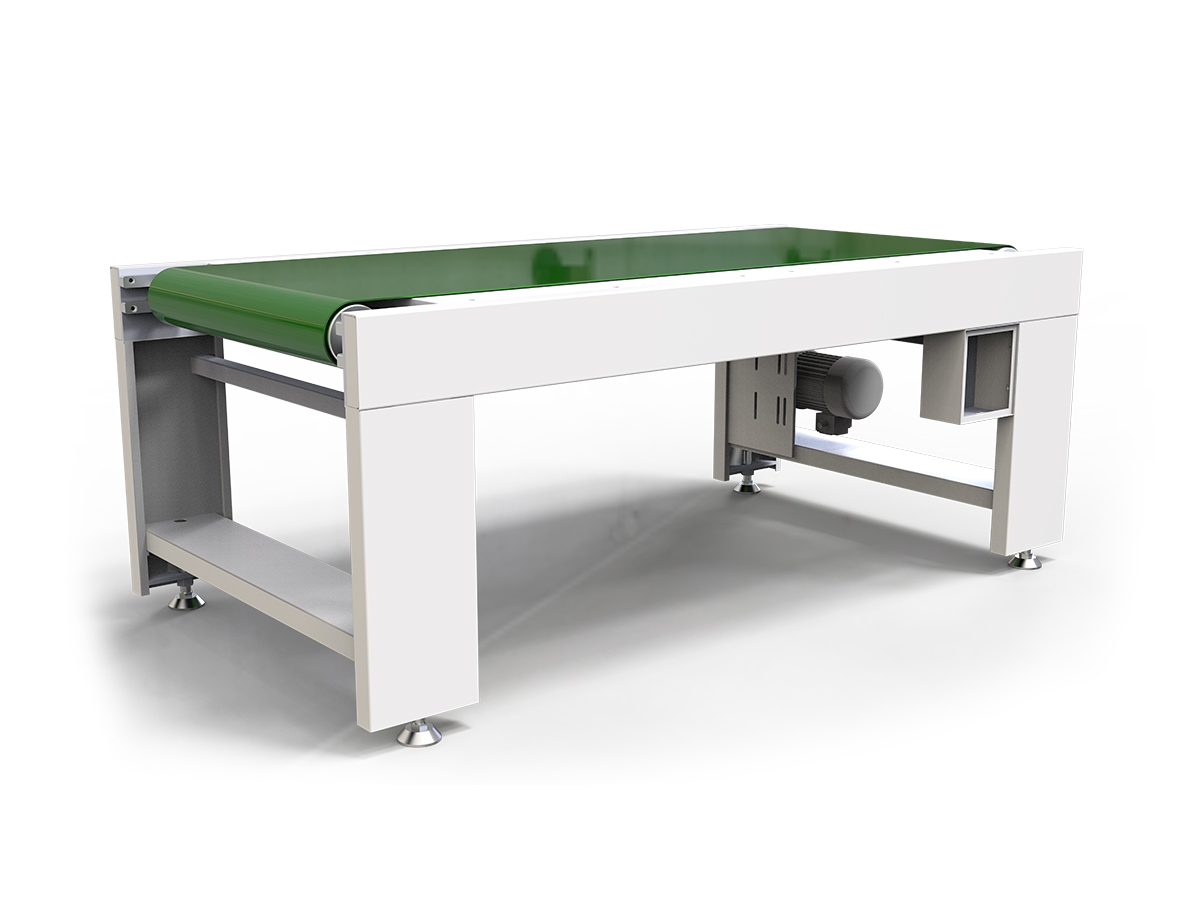
- Conveyor/Drying Tunnel: Transports the substrate through application and curing stages at a controlled speed.
- Control System: The brain of the operation, ensuring parameter consistency (e.g., thickness, speed, temperature).
- Curing Unit: Utilizes UV, IR, or thermal energy to dry and harden the coating.
Choosing the Right Surface Coating Equipment
Selecting the ideal machine is a strategic decision. Focusing on specific, niche requirements can lead you to optimal solutions like those for automated spray coating systems for metal parts or high speed curtain coating machines for wood panels.
Defining Your Production Requirements
- Substrate Type & Shape: Are you coating flat sheets, linear profiles, or complex 3D objects? This dictates the series needed (flat, line, or special-shaped coating series).
- Required Coating Thickness & Tolerance: Precision applications demand machines with exceptional control systems.
- Production Volume & Desired Speed: High-volume lines necessitate robust, high-speed machines like curtain coaters.
- Coating Material Properties: Viscosity, solvent content, and curing method are critical factors.
Critical Selection Criteria: Beyond the Basics
When evaluating machines, consider these often-overlooked aspects that directly impact long-term ROI and product quality.
Precision and Control Systems
- Look for digital thickness control and feedback loops.
- Ensure speed synchronization between conveyor and applicator.
- Evaluate the ease of parameter recipe storage and recall.
Durability and Ease of Maintenance
- Construction materials should withstand harsh chemical environments.
- Design should allow for easy access to clean or replace wear parts.
- Supplier support for spare parts and technical service is crucial.
Advanced Applications and Industry Solutions
The versatility of modern coating equipment enables innovative finishes across diverse sectors.
Functional and Protective Coatings
Beyond aesthetics, coatings provide essential protection. For example, uv curing coating equipment for plastic surfaces is vital in electronics and automotive interiors, creating scratch-resistant and durable finishes quickly. Similarly, roll coating machines for adhesive film application are fundamental in laminating processes for packaging and decorative surfaces, ensuring strong, bubble-free bonds [1].
Enhancing Aesthetics and Texture
The consumer goods and furniture industries rely heavily on precise coating for appeal. A precise film coating machine for electronic displays applies anti-glare or oleophobic layers without defects. Achieving a perfect matte or textured finish often requires specialized solutions like a uniform powder coating machine for automotive wheels, which provides a durable, corrosion-resistant, and attractive finish that is highly resistant to chipping and wear [2].
Innovation and Future Trends in Coating Machinery
The industry is driven by demands for sustainability, efficiency, and smarter manufacturing.
- Sustainability: Development of machines that minimize VOC emissions, reduce material waste, and are compatible with water-based or high-solids coatings.
- Industry 4.0 Integration: IoT-enabled machines for predictive maintenance, real-time monitoring, and data analytics to optimize the entire coating process.
- Hybrid and Adaptive Systems: Machines capable of switching between application methods or self-adjusting parameters for different products on the same line.
Why Partner with a Specialized Manufacturer?
Choosing the right equipment partner is as important as choosing the machine. Huzhou Tongxu Machinery Equipment Co., Ltd., established in 2016, exemplifies the value of specialization. Our focus on the R&D and manufacturing of intelligent coating system equipment ensures that each solution—from our flat, line, and special-shaped coating series—is born from deep process understanding and robust engineering. Adhering to a "high quality" principle and fine management, our recognition as a "Zhejiang Province technology-based SME" underscores our commitment to providing comprehensive, reliable equipment that meets precise productivity and efficiency needs, from simple machines to complex turnkey lines.
Frequently Asked Questions (FAQs)
1. What is the main difference between a spray coating and a curtain coating machine?
Spray coating uses atomized droplets to cover three-dimensional or complex shapes, offering great flexibility but potentially lower material efficiency due to overspray. Curtain coating forms a continuous, falling sheet of coating material, making it exceptionally fast and efficient for coating flat, horizontal surfaces with a very uniform layer and virtually no waste.
2. How do I determine if I need a UV curing system versus a thermal curing oven?
The choice depends on your coating chemistry and substrate. UV curing uses ultraviolet light to instantly cure specially formulated coatings, offering immense speed and energy savings for heat-sensitive substrates like plastics and wood. Thermal ovens use heat to cure traditional coatings and are suitable for metals and high-temperature substrates; they generally have a longer process time and higher energy consumption [3].
3. Can one machine handle multiple coating applications?
Some advanced modular machines are designed for flexibility. For instance, a line might combine a roller coater for a primer and a spray module for a top coat. However, switching between fundamentally different methods (e.g., from powder coating to liquid curtain coating) typically requires dedicated equipment due to vast differences in material handling and application mechanics.
4. What are the key maintenance routines for a surface coating machine?
Daily cleaning of the applicator head and filters is essential to prevent clogging. Regular lubrication of moving parts, inspection of hoses and seals for wear, and calibration of thickness gauges and sensors are crucial weekly/monthly tasks. Always follow the manufacturer's specific maintenance schedule.
5. What should I look for in a coating machine supplier?
Prioritize suppliers with strong in-house R&D and design capabilities, proven industry experience, and a portfolio of successful installations. Look for comprehensive after-sales support, availability of spare parts, and the ability to provide tailored solutions rather than just off-the-shelf products. Certifications and industry honors can be good indicators of reliability and quality commitment.
References
[1] Smith, J., & Doe, A. (2020). Adhesion Mechanisms in Laminating Processes.Journal of Manufacturing Science, 45(3), 234-245.
[2] Chen, L., & Wang, H. (2022). Advancements in Durable Finishes for Automotive Applications.International Journal of Automotive Technology, 18(1), 112-125.
[3] Johnson, P. R. (2021). Energy Efficiency in Industrial Curing Processes: UV vs. Thermal.Sustainable Manufacturing Review, 7, 56-67.



 English
 中文简体
中文简体

