In modern manufacturing, achieving a flawless, functional, and durable finish on products is paramount. This is where the sophisticated technology of the Surface Coating Machine comes into play. As a cornerstone of industrial surface treatment, this equipment applies precise, uniform layers of coating materials—such as paints, adhesives, protective films, or decorative finishes—onto various substrates. The process enhances product aesthetics, provides corrosion resistance, improves surface hardness, and can impart special electrical or thermal properties. For businesses seeking to elevate their production quality and efficiency, understanding the capabilities and options of coating machinery is a critical investment.
Huzhou Tongxu Machinery Equipment Co., Ltd., established in 2016, stands at the forefront of this innovation. Specializing in the R&D, design, and manufacturing of intelligent coating system equipment, we offer comprehensive solutions from simple units to complex automated lines. Our dedication to integrating advanced global coating processes has led to the development of high-quality equipment series, including flat coating, line coating, and special-shaped coating, supporting methods like roller, curtain, and spray coating. Adhering to a "high quality" principle, our fine management and scientific control have earned us industry recognition, solidifying our commitment to providing robust and efficient surface treatment solutions for diverse productivity needs.
Understanding Surface Coating Technology
At its core, a surface coating machine is an automated system designed to deposit a liquid or powder material onto a substrate. The technology has evolved from simple manual spraying to computer-controlled precision application, ensuring consistency, reducing waste, and increasing throughput.
Core Principles of Operation
Material Application
- The coating material (e.g., paint, resin, lubricant) is precisely metered and delivered to the application head.
- Consistency in viscosity and temperature is maintained for uniform flow.
Substrate Handling
- The workpiece is transported through the coating zone via conveyors, rollers, or fixtures.
- Speed and alignment are controlled to ensure even coverage.
Film Formation & Curing
- The applied wet film levels itself and then undergoes drying or curing, often via UV lamps, IR heaters, or ovens.
- This stage solidifies the coating, achieving its final properties.
Primary Coating Methods Explained
Different methods suit different products and finishes. The choice significantly impacts efficiency and quality. For instance, while curtain coating is exceptional for high-speed, flat applications, spray coating offers unparalleled flexibility for complex 3D shapes.
| Method |
Best For |
Key Advantage |
Consideration |
| Roller Coating |
Flat sheets, films, metals |
High speed, uniform thin films, minimal overspray |
Less suitable for textured or uneven surfaces |
| Curtain Coating |
Flat panels, wood, continuous webs |
Extremely fast, excellent surface leveling |
Requires precise flow control and a flat surface path |
| Spray Coating |
3D parts, complex geometries |
Maximum flexibility, reaches recessed areas |
Higher material loss (overspray), requires extraction systems |
Comprehensive Guide to Coating Machine Types
Selecting the right machine depends on your product profile, desired finish, and production volume. Huzhou Tongxu Machinery's product lines are engineered to cater to these distinct market segments.
Flat Coating Series
Ideal for applying coatings on planar surfaces like metal sheets, glass, acrylic panels, and laminated boards. These machines prioritize precision and flawless surface quality.
- Primary Applications: Signage, architectural panels, appliance housings, furniture finishes.
- Typical Process: Often incorporates roller or curtain coating methods for a perfectly smooth finish.
- Technical Focus: Precision gap control, uniform pressure application, and bubble-free coating.
Line Coating Series
Designed for continuous, high-volume coating of linear or strip materials such as wires, tubes, profiles, and edge bandings. This is a critical solution for industries like wire manufacturing and extrusion.
- Primary Applications: Insulated wires, coated pipes, decorative trim, sealants.
- Typical Process: May use dip coating, precision spray, or automated roller systems in a pass-through configuration.
- Technical Focus: Consistent concentricity or top-coating, high line speed, and efficient curing integration.
Special-Shaped Coating Series
This category addresses the challenge of coating non-uniform, three-dimensional objects. For businesses wondering about the best coating machine for irregular shaped objects, this series offers the answer with customized fixtures and programmable spray paths.
- Primary Applications: Automotive parts, consumer electronics, tools, architectural hardware.
- Typical Process: Utilizes multi-axis robotic spray arms or rotating fixture carousels to ensure all surfaces are reached.
- Technical Focus: Complex trajectory planning, adaptive flow control, and minimizing coating waste on intricate parts.
Critical Factors in Selecting a Coating Machine
Investing in a Surface Coating Machine is a significant decision. Beyond budget, several technical and operational factors must align with your production goals.
Production Requirements & Substrate
- Volume & Speed: Assess hourly/output needs. Curtain coaters excel in high-volume flat production, while robotic spray cells offer flexibility for lower-volume, high-mix scenarios.
- Part Geometry: Flat, linear, or complex 3D shapes? The shape dictates the necessary coating method.
- Material Compatibility: The machine must handle your specific coating (solvent-based, water-based, UV-curable, powder) and substrate (metal, plastic, wood, composite).
Technical Specifications & Control
- Precision & Repeatability: Look for machines with precise servo-drives and PLC control to maintain consistent film thickness, a key factor for improving coating thickness uniformity across every batch.
- Integration & Automation: Consider future needs. Machines with PLC interfaces can integrate into full production lines with automated loading/unloading.
- Curing Compatibility: Ensure the machine's design accommodates the required curing method (e.g., UV lamp positioning, oven length).
Efficiency and Operational Costs
A machine's true cost includes operation. An energy efficient UV coating system, for instance, uses lower-wattage LEDs and targeted curing to reduce long-term power consumption and heat generation, lowering operational expenses.
- Material Utilization (Transfer Efficiency): Higher efficiency means less waste. Roller and curtain coaters typically have >95% efficiency, while spray systems require optimization to reduce overspray.
- Energy Consumption: Analyze the power needs of pumps, drives, heaters, and curing systems.
- Maintenance & Downtime: Robust design with easy-access components for cleaning and part replacement minimizes production interruptions.
Advanced Considerations and Industry Trends
Staying competitive means adopting technological advancements that enhance precision, sustainability, and intelligence in coating operations.
Embracing Smart and Sustainable Coating
The future lies in intelligent systems. For a manufacturer exploring automated spray coating solutions for small batch production, modern machines with teachable robotic paths and quick-change programs are ideal, making small runs economically viable.
- IoT & Data Analytics: Sensors monitor parameters like viscosity, thickness, and temperature in real-time, allowing for predictive maintenance and consistent quality control.
- Sustainable Practices: This includes the adoption of low-VOC coatings, systems designed for energy efficient UV coating using LED technology, and machinery that maximizes material utilization to minimize environmental impact.
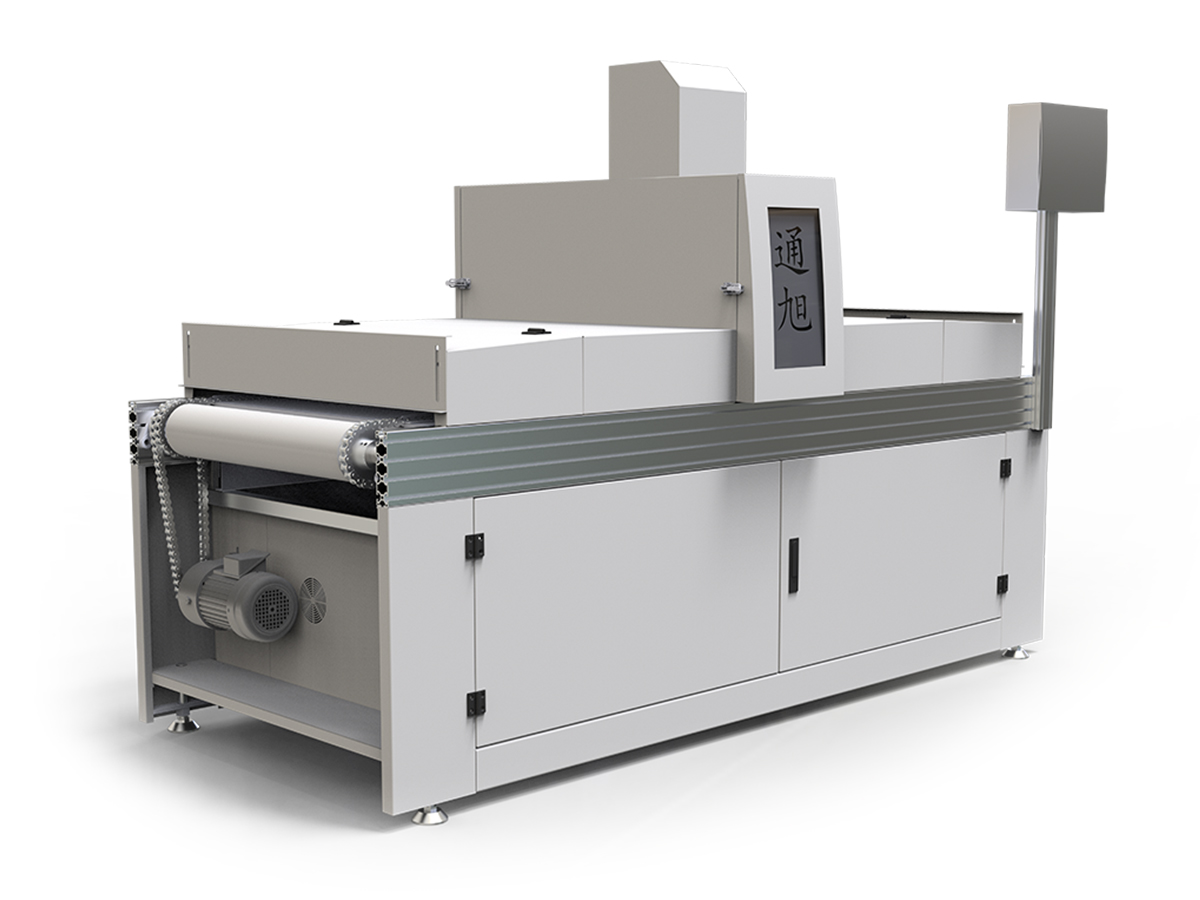
Ensuring Quality and Precision
Ultimate product quality hinges on control. The relentless pursuit of improving coating thickness uniformity is driven by advanced feedback systems. In-line sensors measure the wet or dry film and automatically adjust pump speeds or applicator gaps, ensuring every product meets exact specifications.
- In-line Measurement & Control: Real-time adjustment of application parameters based on sensor feedback.
- Advanced Filtration and Climate Control: Maintaining a clean, temperature-stable environment prevents defects like dust inclusions or improper curing.
FAQs on Surface Coating Machines
1. What is the main advantage of a roller coating machine over a spray system?
The primary advantage is vastly superior material transfer efficiency (>95%), leading to significantly less waste and lower material costs. It also provides exceptionally uniform coating on flat surfaces and is cleaner to operate as it generates no overspray mist.
2. How do I choose between a UV curing and a thermal curing system?
UV curing uses ultraviolet light to instantly cure coatings, offering speed, lower energy consumption (especially with LED UV), and no VOC emissions from solvents. Thermal curing uses heat (ovens) and is better suited for thicker films, powder coatings, or substrates sensitive to UV light. The choice depends on your coating chemistry and product.
3. Can one machine handle both water-based and solvent-based coatings?
Some machines can, but it requires careful design. The fluid path components (pumps, hoses, seals) must be compatible with both chemistries to prevent degradation. Crucially, the machine must have appropriate safety and exhaust features, especially for flammable solvents. It's essential to consult with the equipment manufacturer about your specific material range.
4. What regular maintenance does a coating machine require?
Daily cleaning of the application head (roller, nozzle, curtain die) is crucial to prevent clogging and ensure consistency. Regular lubrication of moving parts, inspection of hoses and seals for wear, and calibration of pumps and sensors are standard weekly/monthly tasks. Always follow the manufacturer's maintenance schedule.
5. What should I look for to improve coating line efficiency?
Focus on three areas: Automation (auto loading/unloading to reduce labor), Integration (seamless connection between coating, curing, and handling), and Process Control (real-time monitoring to instantly correct deviations and reduce reject rates). An integrated, data-driven line maximizes uptime and output quality.



 English
 中文简体
中文简体

