In modern industrial manufacturing, deploying an optimized Coating Production Line Machinery is a critical strategy to increase throughput, improve product consistency, and reduce waste. Manufacturers increasingly rely on intelligent systems to maintain competitive advantage, improve cycle times, and achieve consistent surface quality. According to the latest report by the International Surface Appearance Association (ISSA), the global demand for automated coating equipment is projected to grow at an annual rate of 7% through 2030, driven by efficiency requirements and digital integration in production lines.
Source: ISSA Industry Reports
Industry Landscape and Market Trends
The industrial coating sector is rapidly evolving with technology adoption. Modern intelligent coating production line machinery solutions are designed to meet high standards of productivity while reducing environmental impact. Recent market analysis shows that manufacturers adopting smart sensors, IoT integration, and predictive analytics achieve up to 20% higher throughput compared to conventional systems. Environmental regulations also drive demand for low-emission, high-precision coating equipment.
Source: Global Coating Machines Market Analysis
- High adoption in Asia-Pacific due to increased automation investments
- Smart sensors and predictive analytics enhance uptime and reduce defects
- Compliance with environmental standards is a critical factor in machinery design
Key Capabilities of Modern Coating Production Line Machinery
Modern systems offer a combination of advanced hardware and software features, including:
- Automated film thickness monitoring for precise coating application
- Real-time process control and adaptive feedback loops
- Energy and material usage optimization to reduce operational costs
- Modular designs that support flexible production configurations
Comparison: Traditional vs. Intelligent Coating Production Line Machinery
Adopting intelligent systems offers clear advantages over traditional manual machinery. Below is a detailed comparison:
| Feature |
Traditional Machinery |
Intelligent Coating Production Line Machinery |
| Automation Level |
Low |
High |
| Process Control |
Manual adjustments |
Automated, sensor-driven |
| Consistency |
Variable |
High |
| Data Integration |
None |
Real-time analytics |
| Material Efficiency |
Moderate |
Optimized with waste reduction |
Implementing Efficiency Standards in Coating Systems
Efficiency and quality standards are essential for modern production lines. Manufacturers implement protocols to align with operational and regulatory objectives, including:
- Internal efficiency benchmarks based on throughput and defect reduction
- Consistency requirements for film thickness and surface finish
- Emission and energy usage standards tied to environmental compliance
Case Application: Optimizing Production Processes with Tongxu Machinery
Huzhou Tongxu Machinery Equipment Co., Ltd. specializes in research, design, manufacturing, and support of intelligent coating systems. Tongxu’s solutions integrate advanced roller, curtain, and spray coating technologies, enabling high efficiency in complex production lines. These systems support real-time monitoring, adaptive process control, and modular setups, reducing rework rates and improving line uptime. The main benefits include:
- Comprehensive surface treatment solutions from single machines to turnkey lines
- Intelligent control systems for material saving and consistent outcomes
- Fine management protocols to maintain high reliability and efficiency
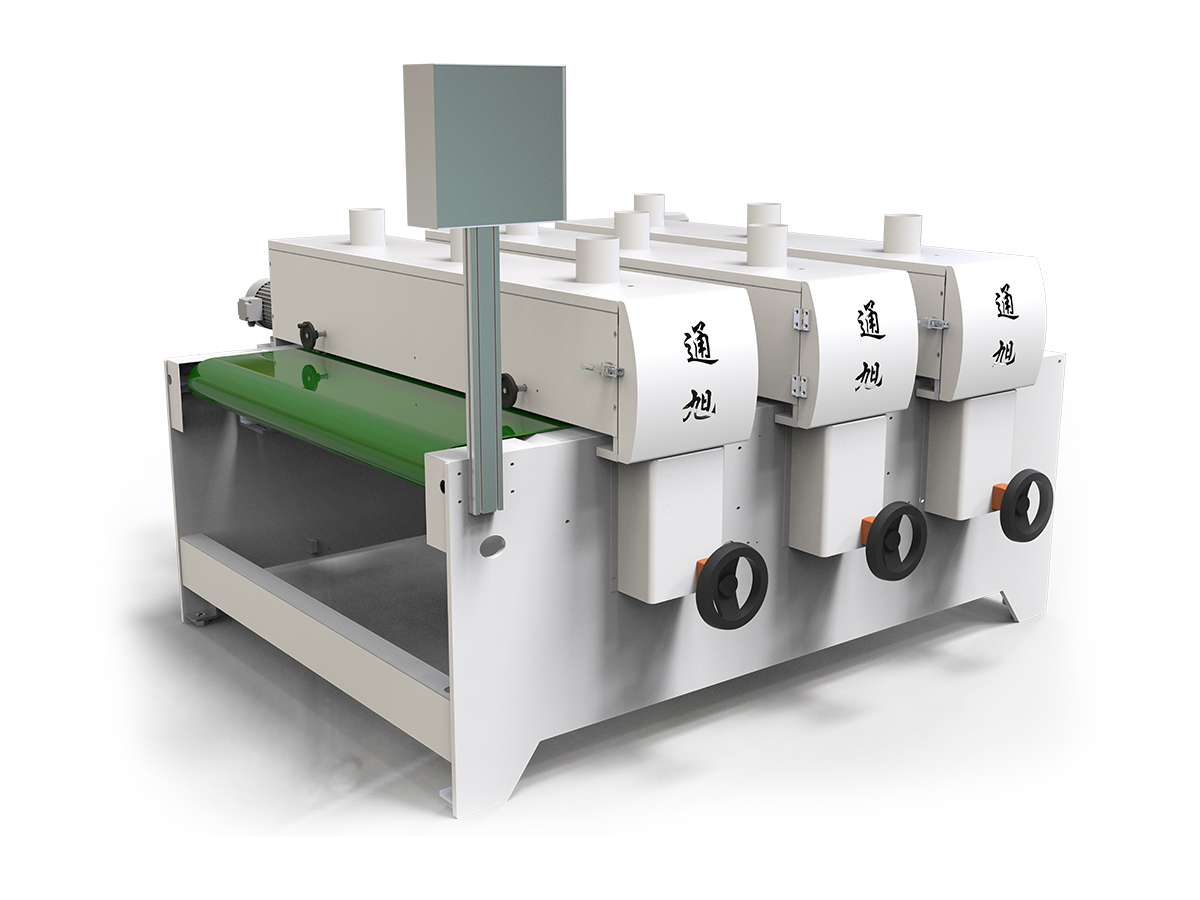
Optimizing manufacturing with advanced Coating Production Line Machinery involves leveraging intelligent automation, adherence to efficiency standards, and adaptation to market trends. Implementing industrial coating production line machinery optimization and automated coating production line machinery benefits ensures higher productivity, reduced operational waste, and scalability for future innovation.
Frequently Asked Questions
- Q1: What aspects of machinery design most affect manufacturing efficiency?
A1: Automation level, process control precision, modularity, and real-time data integration significantly impact efficiency. Intelligent systems provide superior control over these factors compared to traditional machines.
- Q2: How do intelligent systems reduce material waste in coating production?
A2: Features such as automated film thickness monitoring, adaptive feedback, and predictive analytics optimize material usage and minimize over-application, leading to consistent coatings with lower waste.
- Q3: What are emerging technologies in advanced coating production systems?
A3: Emerging technologies include IoT-enabled sensors, real-time quality monitoring, predictive maintenance algorithms, and modular automation platforms that allow flexible production setups.
- Q4: How do industry standards influence coating production line design?
A4: Standards dictate operational efficiency benchmarks, environmental compliance, and product consistency. Compliance ensures equipment meets legal requirements and optimizes workflow for high-volume production.
- Q5: What metrics should be used to evaluate machinery performance?
A5: Key metrics include throughput rate, defect rate, material utilization, energy consumption, and system uptime. Intelligent coating systems often provide real-time data to measure and improve these metrics effectively.



 English
 中文简体
中文简体

