Intelligent surface coating equipment transforms the finishing line from a fixed recipe process into a self-correcting system. By integrating real-time film thickness sensors, closed-loop fluid control, and machine-learning driven parameter adjustment, these systems achieve coating tolerances of ±1 micron and reduce overspray waste by up to 30% compared to manual or timer-based equipment. For automotive, electronics, and aerospace manufacturers, that means immediate savings on paint, fewer rejected parts, and a fully traceable quality record for every component that leaves the booth.
At the heart of every intelligent surface coating machine sits a sensor array that measures film build as it happens. Non-contact techniques such as laser triangulation, spectral reflectance, or ultrasonic gauging feed thickness data back to the controller 100 to 1,000 times per second. The controller simultaneously tracks fluid pressure, nozzle angle, part temperature, and ambient humidity, then adjusts the application in real time. This replaces the trial-and-error approach of conventional spray with a deterministic, data-proven process.
For example, when a robot arm equipped with intelligent surface coating equipment detects a drop in viscosity due to solvent evaporation, it can instantly increase the fluid flow rate or slow the pass speed to maintain the target wet film thickness. The result is a coating uniformity standard deviation below 0.5 microns across complex three-dimensional surfaces.
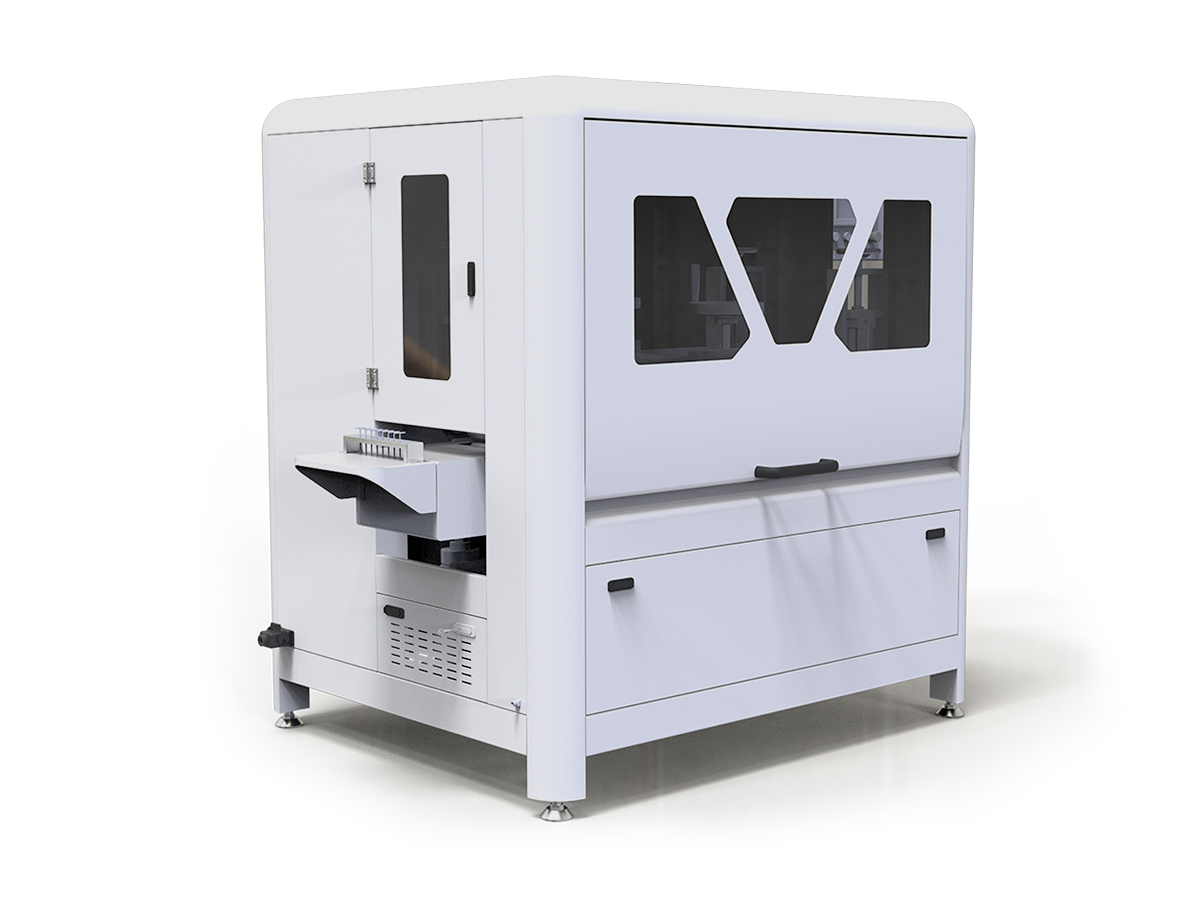
Comparing Intelligent Equipment to Traditional Manual and Automated Lines
Production teams often ask what measurable difference intelligence makes on the factory floor. The table below quantifies the key performance gaps revealed by performance data across several high-volume coating operations.
Performance comparison between conventional automated lines and intelligent surface coating equipment
| Performance Metric |
Conventional Automation |
Intelligent Coating Equipment |
| Film Thickness Tolerance |
±5 to ±10 microns |
±0.5 to ±2 microns |
| Overspray Waste Rate |
25–40% |
10–15% |
| First Pass Yield |
85–92% |
98–99.5% |
| Process Adjustment Time |
5–15 minutes (manual recalibration) |
Under 1 second (automatic closed loop) |
The conversion to intelligent surface coating equipment directly converts rework and scrap reduction into profit. In a medium-sized factory applying 50,000 liters of coating annually, a 15% reduction in overspray translates to saving 7,500 liters of material, which can represent raw material cost savings exceeding $150,000 per year dependent on chemistry.
Integrated Process Control and Predictive Maintenance
Automated Parameter Optimization
Beyond simple thickness feedback, intelligent surface coating equipment uses historical run data to build predictive models. If the system learns that a particular batch of primer consistently requires 3% higher flow rate to reach the target build, it pre-adjusts at the start of the next run without operator input. This eliminates the ramp-up waste typical of shift changes and Monday-morning startups.
Condition-Based Consumable Replacement
Sensors monitoring nozzle wear, filter loading, and pump vibration feed into an onboard predictive maintenance algorithm. Instead of changing nozzles on a fixed schedule, the equipment alerts technicians when atomization quality begins to drift. This has been shown to extend nozzle life by 20 to 35% while preventing the gradual quality fade that traditional preventive maintenance often misses.
Practical Applications Across Demanding Industries
Aerospace OEMs employ intelligent surface coating equipment to apply weight-critical corrosion-resistant primers to wing skins, where a 10-micron deviation can alter drag characteristics and add kilograms to the final structure. The closed-loop control guarantees a dry film thickness of 15 microns ±1 micron across a 30-meter panel, documented and stored for regulatory audit.
In consumer electronics, the same intelligence applies conformal coatings to printed circuit boards at 25 to 75 microns with zero silicone migration. The equipment automatically adjusts the path to avoid overspray onto connectors, a level of precision that manually programmed robots cannot reliably achieve at cycle times below 120 seconds. Automotive exterior clear-coating further benefits from gloss units consistently above 90 GU with no polishing rework, as the intelligent controller prevents the micro-droplet spitting that generates orange peel.
Data Traceability and Quality Compliance
Every part coated by intelligent surface coating equipment receives a digital birth certificate. Temperature, humidity, fluid flow, voltage, and film thickness readings are timestamped and stored in a SQL database or uploaded to a manufacturing execution system. In the event of a field failure, engineers can retrieve the exact coating parameters for that serial number within seconds, dramatically compressing root-cause investigation from days to hours. This traceability is becoming a contractual requirement for suppliers to major aerospace and medical device integrators.
- Full audit trail compliance with AS9100 and Nadcap AC7108 requirements for special processes.
- Statistical process control charts generated automatically, detecting trends before they breach control limits.
- Cloud connectivity for multi-site benchmarking, allowing global process harmonization across factories.
Implementation Considerations and Return on Investment
Retrofitting an existing line with intelligent surface coating equipment requires evaluating the current robot or reciprocator interface, the available Ethernet or fieldbus protocol, and the paint kitchen’s ability to maintain consistent viscosity. A turnkey integration, including sensor mounting, controller programming, and operator training, typically runs for 4 to 8 weeks. Most operations recoup the investment through material savings and reduced rework within 12 to 18 months.
The environmental case is equally strong. Reduced overspray means fewer volatile organic compounds released to atmosphere and lower filter disposal costs. Combined with the ability to run powder coatings at thinner, more consistent layers, intelligent surface coating equipment enables a measurable step toward sustainability targets without sacrificing production speed or quality. The technology is not simply an upgrade — it is becoming the baseline specification for any coating operation seeking to remain competitive in precision manufacturing.



 English
 中文简体
中文简体

