Edge Banding: Essential Solution for High-Quality Woodworking
Edge banding is a critical process in modern furniture manufacturing. It enhances the durability, visual appeal, and structural integrity of panels used in cabinetry, desks, countertops, and other wood-based products. Implementing a reliable productivity edge banding solution directly impacts efficiency, product quality, and long-term customer satisfaction.
Edge banding covers exposed edges, preventing moisture penetration, reducing chipping, and providing a uniform finish that meets industry standards. Proper edge banding also improves panel strength and extends the lifespan of furniture pieces.
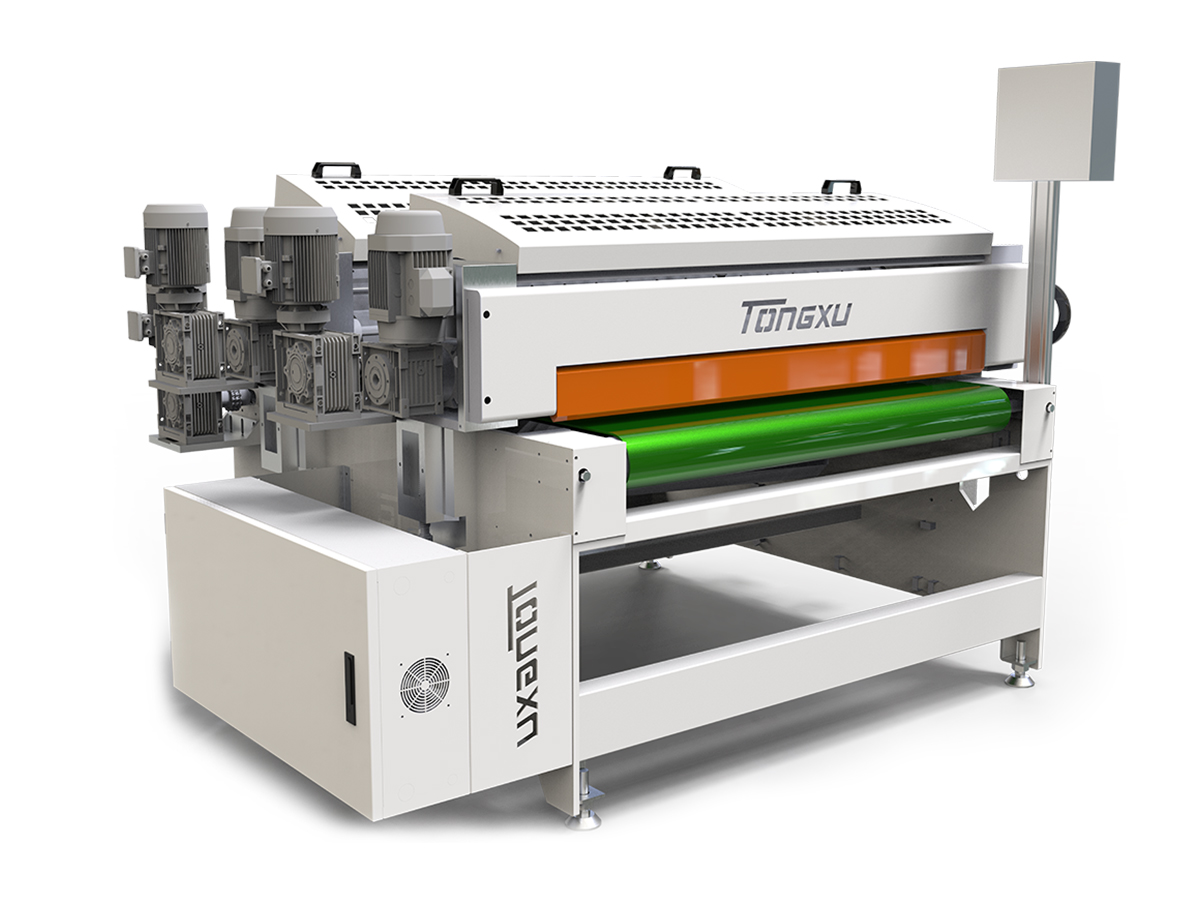
Defining Edge Banding in Furniture Manufacturing
In professional woodworking, edge banding refers to the application of thin strips of material along the exposed edges of panels such as MDF, plywood, and particleboard. These strips provide a clean, finished appearance while protecting vulnerable edges from damage.
Edge banding also includes understanding the properties of adhesives, tape materials, thicknesses, and machinery used. For factories and production lines, this knowledge ensures consistent quality and reduces material wastage.
Edge Banding Materials and Thickness
Choosing the right edge banding material and thickness is crucial for professional results. Common options include:
- PVC: Durable, moisture-resistant, cost-effective for high-volume production
- ABS: Heat-resistant, non-toxic, suitable for frequently used furniture
- Melamine: Economical option for standard cabinetry and shelving
- Wood veneer: Premium natural wood finish for high-end furniture
- Acrylic or laminate: Decorative edges for modern design or color contrast
Edge banding thickness ranges from 0.4 mm to 3 mm, depending on panel type, edge profile, and usage. Thicker materials offer increased durability, while thinner strips are ideal for lightweight or decorative applications.
Edge Banding Application Techniques
Manual Edge Banding
Manual application is suitable for low-volume production or custom furniture. Operators carefully apply adhesive or pre-glued tape to panel edges, ensuring precise alignment. This technique is flexible for irregular or curved edges.
Automated Edge Banding with Coater Systems
Industrial-scale furniture production benefits from automated edge banding machines, including Edge Banding Coater systems. These machines provide consistent heat, pressure, and adhesive application, reducing labor costs and increasing production speed. Automated systems can process straight, curved, and custom-shaped panels efficiently.
Adhesive Methods: Hot-Melt vs Cold Glue
Hot-melt adhesives are common in production lines due to fast bonding and ease of use. Cold glue methods are applied for specialized materials, veneers, or custom projects requiring precise control. Selection depends on production volume, edge material, and desired finish quality.
Step-by-Step Edge Banding Process
- Panel Preparation: Cut edges precisely and sand smooth for optimal adhesion.
- Material Selection: Choose tape type and thickness appropriate for the panel.
- Adhesive Application: Apply hot-melt or cold glue using manual or automated systems.
- Tape Placement: Align edge banding carefully along the panel edge.
- Trimming: Remove excess material using specialized trimmers or routers.
- Finishing: Sand or buff edges for a smooth, professional finish.
Edge Profiles and Handling Techniques
Edge banding must accommodate various edge profiles, such as straight, round, chamfered, or ogee edges. Handling these profiles requires different application strategies and machine settings:
- Straight edges: Standard adhesive rollers and coater systems are sufficient.
- Curved edges: Flexible tape materials or specialized machine modules are required.
- Chamfered or beveled edges: Trimming and sanding must precisely match the panel profile.
- Complex profiles: Custom coater settings and pre-cut edge banding strips improve accuracy.
Tools and Equipment for Professional Edge Banding
| Tool / Equipment |
Purpose |
Application Example |
| Edge Banding Tape |
Covers exposed edges |
Cabinet doors, furniture panels |
| Edge Banding Coater |
Applies heat and adhesive consistently |
High-volume industrial production |
| Trimmers / Routers |
Removes excess tape, shapes edges |
Precision finishing for panels |
| Sanders / Buffers |
Smooths and polishes edges |
Fine finishing for premium furniture |
| Adhesives |
Bonds tape to panel |
PVC, ABS, wood veneer |
Tools and equipment commonly used for professional edge banding
Optimizing Production Efficiency with Edge Banding Solutions
For large-scale furniture production, productivity edge banding solutions are essential. Automated edge banding systems, such as those offered by Lammates, integrate panel feeding, adhesive application, heating, and trimming in one continuous line. These systems can increase production speed by up to 300 percent compared to manual processes while maintaining consistent edge quality.
Using coater systems with precise temperature and pressure control ensures optimal bonding and reduces the risk of adhesive failure. Industrial setups also benefit from automated edge trimmers and sanding units that handle multiple profiles efficiently.
Edge Banding in Different Panel Types and Furniture Applications
Edge banding is applied across various panel types, including:
- MDF panels for cabinets and wardrobes
- Plywood for countertops and structural furniture
- Particleboard for economical shelving units
- Solid wood components in high-end furniture
The choice of edge banding material and thickness depends on the panel type, desired finish, and intended use. For instance, moisture-resistant PVC or ABS is ideal for kitchen cabinetry, while wood veneer provides a premium finish for visible surfaces in living room furniture.
Industry Standards and Quality Control
Maintaining quality in edge banding requires adherence to industry standards. Standard parameters include:
- Edge alignment within 0.2 mm tolerance
- Smooth transition between panel and edge banding without gaps
- Adhesive bond strength sufficient to withstand normal use and moisture exposure
- Consistent color match and finish across all edges in the same batch
Quality control processes often include visual inspections, edge pull tests, and moisture resistance checks. Automated systems with integrated sensors can detect adhesion defects in real time, minimizing waste and ensuring compliance with production standards.
Common Problems and Solutions in Edge Banding
Edge Lifting or Peeling
Edge lifting is often caused by insufficient adhesive, improper panel preparation, or incorrect temperature during application. Solutions include ensuring clean, smooth panel edges, using high-quality adhesives, and adjusting coater temperature settings according to manufacturer specifications.
Uneven or Jagged Trimming
Jagged edges can occur if trimming blades are dull or improperly aligned. Regular maintenance of trimmers, using the correct blade types for specific materials, and performing test cuts can prevent uneven trimming.
Color Mismatch or Gloss Variation
Color inconsistencies often result from batch differences in edge banding material or panel surface finish. Maintaining consistent inventory sources and applying edge banding under controlled temperature and humidity reduces variations.
Advanced Edge Banding Techniques and Tips
For professional woodworking operations, mastering advanced techniques enhances efficiency and finish quality:
- Use pre-glued tapes for high-volume production to reduce adhesive handling and curing time
- Apply radius or flexible edge banding for curved panels to maintain adhesion and aesthetics
- Integrate edge banding coater systems with CNC cutting lines for seamless production flow
- Use sanding and buffing sequences with varying grit to achieve a uniform glossy finish
- Regularly calibrate temperature, pressure, and feed speed on coater systems to maintain consistent edge quality
Case Study: Implementing Lammates Edge Banding in a Factory
A medium-sized furniture factory implemented a Lammates automated edge banding system across three production lines. Key results included:
- Production speed increase: 250 percent faster than previous manual methods
- Adhesion quality: 99 percent of edges passed pull tests without defects
- Material savings: 15 percent reduction in tape waste due to precise coater control
- Consistency: All furniture batches maintained uniform color and edge alignment
The integration of automated systems with trained operators and quality control protocols ensured long-term reliability and reduced production downtime.
Maintenance and Best Practices for Edge Banding Equipment
Regular maintenance is essential for maintaining production efficiency and edge quality. Key best practices include:
- Inspect and replace worn blades on trimmers and routers
- Clean adhesive rollers and heating elements to prevent residue buildup
- Monitor coater system calibration for temperature, pressure, and feed rate
- Store edge banding materials in temperature and humidity-controlled environments
- Document machine maintenance and performance metrics to identify trends and prevent downtime
Summary and Best Practices
Edge banding is a fundamental process for high-quality furniture production. Proper material selection, adhesive methods, application techniques, and equipment maintenance are key to achieving consistent results. Automation, such as Lammates edge banding systems, increases production speed, reduces waste, and ensures uniform edge quality. Incorporating quality control standards and operator training further strengthens manufacturing reliability.
For professional woodworking operations, investing in modern edge banding technologies, maintaining equipment, and following best practices ensures optimal productivity and superior furniture quality over the long term.



 English
 中文简体
中文简体

