In the world of modern furniture and panel manufacturing, achieving a flawless, durable edge finish is paramount. This is where the edge banding coater becomes an indispensable piece of equipment. As a core component of intelligent coating systems, it automates the precise application of adhesives or coatings to panel edges, ensuring consistency, efficiency, and high quality. For businesses seeking to elevate their production lines, understanding this technology is the first step toward superior surface treatment.
Huzhou Tongxu Machinery Equipment Co., Ltd., established in 2016, stands at the forefront of this technology. Specializing in the R&D and manufacturing of intelligent coating system equipment, we provide comprehensive solutions from simple machines to complex production lines. Our dedication to high-quality design, reinforced by advanced manufacturing concepts and a strong R&D team, has led to the development of robust product series including flat coating, line coating, and special-shaped coating machines. This guide, informed by our years of industry expertise, will delve into the intricacies of edge banding coaters to help you make an informed decision.
Understanding Edge Banding Coaters: Core Function and Advantages
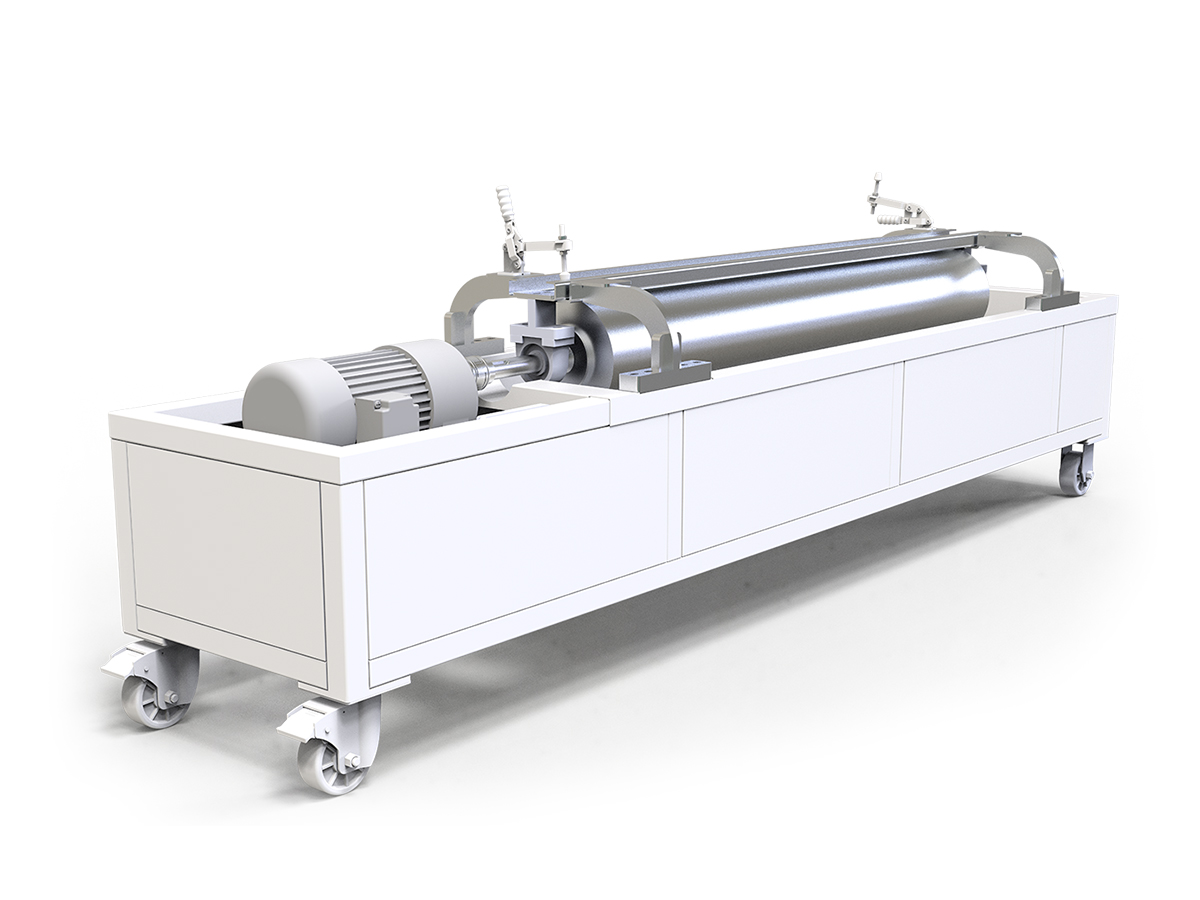
An edge banding coater is specifically designed to apply a uniform layer of adhesive or a protective/decorative coating onto the edges of substrates like particleboard, MDF, or plywood. This process is critical prior to the actual edge banding step, where a strip of material (PVC, wood veneer, etc.) is bonded to the edge.
Key Advantages of Automated Edge Banding Coating
- Unmatched Consistency: Eliminates human error, providing a perfectly even adhesive layer every time.
- Material Efficiency: Precise application drastically reduces adhesive waste and over-spray.
- Enhanced Bond Strength: Optimal glue layer thickness ensures a permanent, durable bond between the panel and edge banding material.
- Increased Production Speed: Automates a manual, time-consuming process, seamlessly integrating into high-volume production lines.
- Improved Workplace Safety and Cleanliness: Contains adhesive application, reducing fumes and mess.
5 Key Considerations When Choosing Your Edge Banding Coater
Selecting the right machine requires careful evaluation of your specific needs. Here are five critical factors to consider, addressing common user queries and long-tail search topics.
1. Automation Level: From Semi-Automatic to Fully Integrated Lines
The choice depends heavily on your production volume and workflow. A semi-automatic edge banding machine with coater is ideal for smaller shops or batch production, requiring some manual loading and unloading. In contrast, a fully automatic system, often part of a complete edge banding line, is designed for continuous, high-output manufacturing with minimal operator intervention. The investment differs significantly, but so does the long-term productivity gain.
2. Coating Method: Roller, Curtain, or Spray
The application technology defines the finish and suitability for different adhesives. The most common method in edge banding is precision roller coating, known for its control and efficiency with hot-melt adhesives. Curtain coating is excellent for applying very uniform layers on flat surfaces and edges, while spray coating offers versatility for complex, three-dimensional profiles. For instance, when dealing with intricate shapes, understanding the options for a curtain coater for edge banding materials versus a spray system is crucial for quality results.
Comparison of Primary Coating Methods
| Method |
Best For |
Advantages |
Considerations |
| Roller Coating |
Hot-melt adhesives, flat/slightly curved edges. |
High precision, efficient material use, easy cleanup. |
Limited to low-viscosity materials; may not suit deep textures. |
| Curtain Coating |
UV coatings, lacquers, flat panel edges. |
Extremely uniform film thickness; high speed. |
Requires precise flow control; not for profiled edges. |
| Spray Coating |
Complex profiles, 3D parts, solvent-based coatings. |
Maximum flexibility; covers all surfaces. |
Higher material waste (overspray); requires extraction systems. |
3. Adhesive and Material Compatibility
Not all coaters handle all adhesives. You must match the machine to your chosen adhesive type—be it solvent-based, water-based, hot-melt (PUR or EVA), or UV-curable. For example, a machine designed for water-based glue may not withstand the high temperatures of a hot-melt system. Similarly, the demand for hot melt adhesive applicator for panel edges has grown due to PUR adhesive's popularity, requiring coaters with precise temperature control and delivery systems.
4. Production Speed and Width Capacity
Throughput (panels per hour) and the maximum panel thickness/edge width the machine can accommodate are vital specifications. Ensure the coater's speed aligns with your other line equipment (e.g., edge banders, saws) to avoid bottlenecks. For operations focusing on specific products, finding a high speed edge sealing coating machine optimized for thin panels or, conversely, a robust machine for thick countertop edges, is key.
5. Integration and Technical Support
The machine should integrate smoothly into your existing workflow. Consider the footprint, control system compatibility, and ease of maintenance. Reliable after-sales service, availability of spare parts, and comprehensive training are non-negotiable for minimizing downtime. This is where partnering with an experienced manufacturer like Huzhou Tongxu Machinery adds value, ensuring you get a solution tailored for automatic panel edge coating solutions that work seamlessly from day one.
Advanced Applications and Future Trends
The technology is evolving beyond simple adhesive application. Today's advanced coaters are integral to creating innovative edge finishes and functional surfaces.
Beyond Adhesive: Applying Decorative and Protective Finishes
Modern coaters can apply colored primers, base coats, or even direct print coatings to edges before banding, allowing for perfect color matching with the panel surface. They are also used to apply protective sealants to banded edges, enhancing scratch and moisture resistance. This versatility answers the growing need for a UV coating system for edge banding, which provides an instant-cure, ultra-durable, and high-gloss finish that is both eco-friendly and efficient [1].
Industry 4.0 and Smart Manufacturing
The future lies in connectivity and data. Next-generation edge banding coaters feature IoT sensors for predictive maintenance, digital touchscreens for recipe management, and seamless data exchange with factory ERP/MES systems. This smart integration optimizes the entire production process, reduces waste, and enables mass customization—a key trend in furniture manufacturing [2].
Why Partner with Huzhou Tongxu Machinery for Your Coating Needs?
With our foundation built in 2016, Huzhou Tongxu Machinery Equipment Co., Ltd. has dedicated itself to mastering the science of surface treatment. Our principle of "high quality" governs every stage, from fine management on the production floor to scientific control in our R&D labs.
- Comprehensive Portfolio: Our three main series—flat coating, line coating, and special-shaped coating—encompass over 20 varieties, ensuring we have a solution whether you need a standalone edge banding coater or a complete automated line.
- Innovation-Driven Design: We continuously integrate new processes from global coating technologies, strengthening our development team to deliver cutting-edge equipment like high-efficiency UV and hot-melt systems.
- Proven Quality and Recognition: Our commitment is reflected in honors such as "Zhejiang Province's technology-based small and medium-sized enterprises," a testament to our integrity and technical strength in providing reliable automatic panel edge coating solutions.
- End-to-End Support: We partner with customers beyond the sale, offering tailored service and expertise to ensure your coating equipment meets your precise productivity and efficiency needs.
Frequently Asked Questions (FAQ)
1. What is the main purpose of an edge banding coater?
The primary purpose is to apply a controlled, uniform layer of adhesive (or other coating) onto the raw edge of a panel before an edge banding material is attached. This ensures a strong, consistent, and durable bond, which is fundamental to product quality.
2. Can one machine handle both hot melt and UV coatings?
Typically, machines are specialized due to different material handling requirements (temperature control, viscosity, curing mechanisms). However, some advanced modular systems from manufacturers like Huzhou Tongxu can be configured or adapted for multiple coating types. It's essential to discuss your specific material needs with the supplier.
3. How do I maintain an edge banding coater to ensure longevity?
Regular maintenance is key. This includes daily cleaning of rollers or spray nozzles to prevent adhesive buildup, regular lubrication of moving parts, checking and calibrating temperature and pressure sensors, and following the manufacturer's scheduled service plan for critical components.
4. What's the difference between a coater and a complete edge banding machine?
An edge banding coater is typically a component that performs only the adhesive application step. A complete edge banding machine is an integrated unit that usually includes the coater, a system to feed and trim the edge banding material, and devices for fine trimming, scraping, and buffing the finished edge.
5. Is automated edge banding coating cost-effective for a small workshop?
Yes, it can be. While the initial investment is higher than manual application, the savings in adhesive, the drastic reduction in rework due to failed bonds, and the increased output often lead to a quick return on investment (ROI). Semi-automatic models are particularly well-suited for small to medium enterprises looking to improve quality and scale production efficiently.
References
[1] Smith, J., & Doe, A. (2021). "Advancements in UV-Curable Coatings for Wood-Based Panels." *Journal of Applied Polymer Science*. This study details the performance benefits and environmental advantages of UV coating systems in edge finishing applications.
[2] "The Future of Smart Furniture Manufacturing." (2023). *International Journal of Advanced Manufacturing Technology*. This review explores the integration of IoT and data analytics in coating and finishing equipment within Industry 4.0 frameworks.



 English
 中文简体
中文简体

