English
 中文简体
中文简体

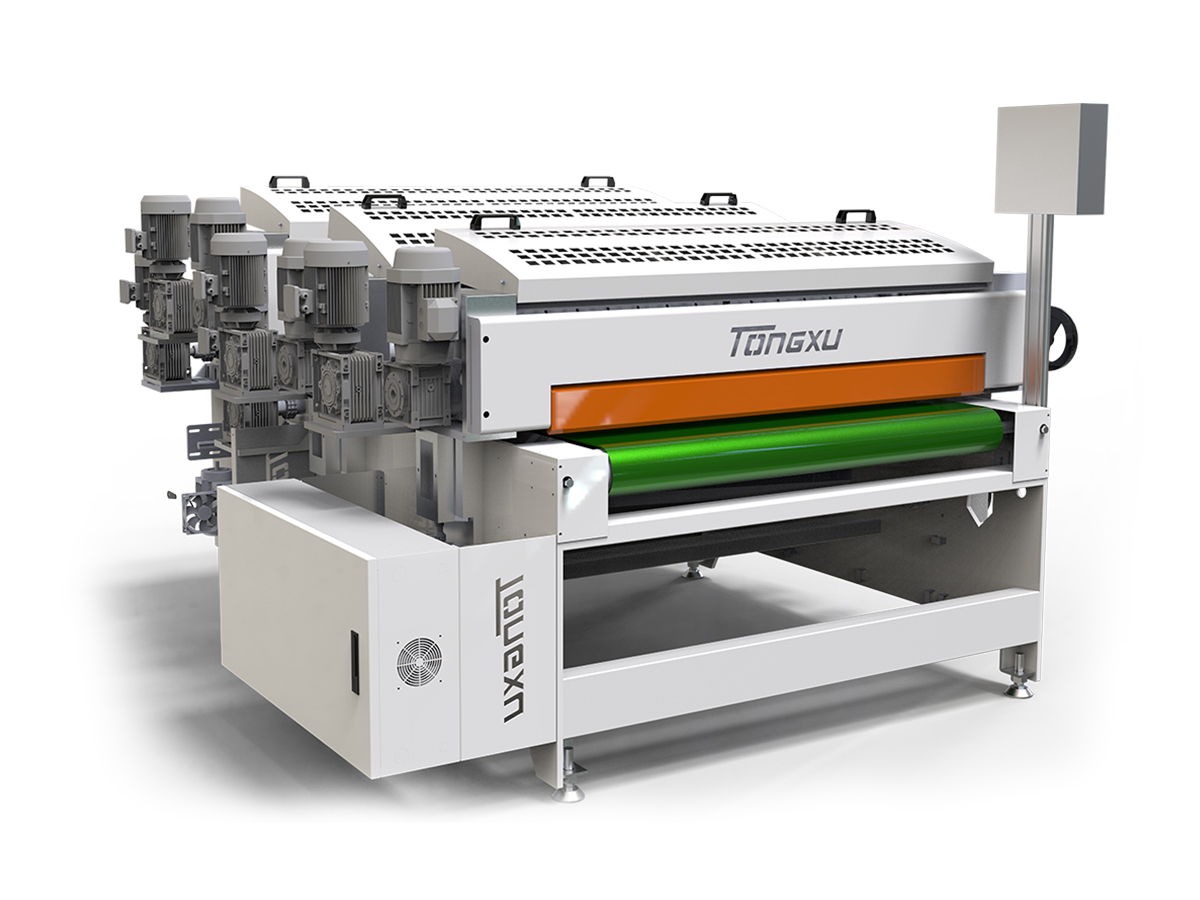
Application Scenarios and Scope of Application
Panel furniture manufacturing: Final coating and curing of edge banding surfaces of cabinets, wardrobes, TV cabinets, office furniture, etc. Customized furniture: Customized furniture production with high requirements for edge banding quality and appearance. Edge banding professional manufacturer: Provide furniture factories with high-quality edge banding pre-coated with UV varnish.
Product Features/Benefits
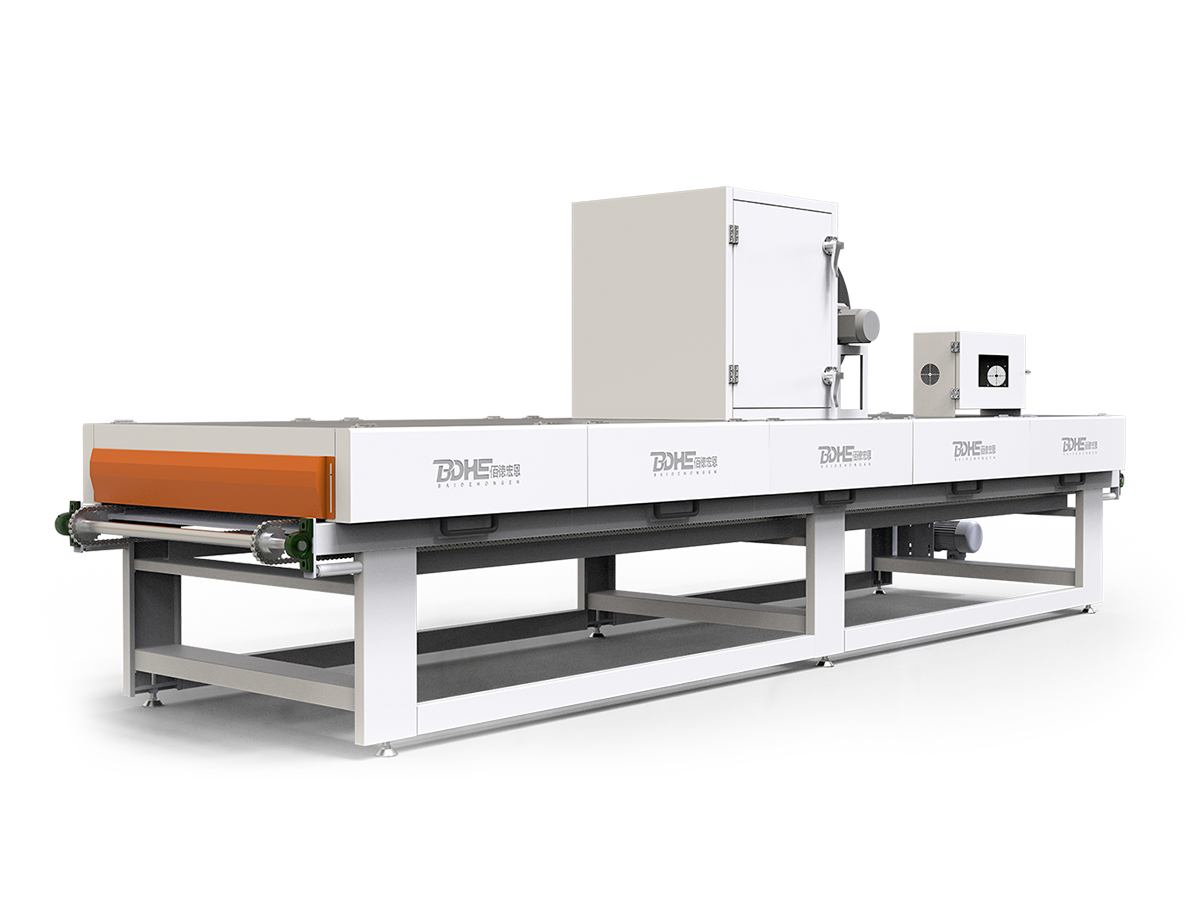
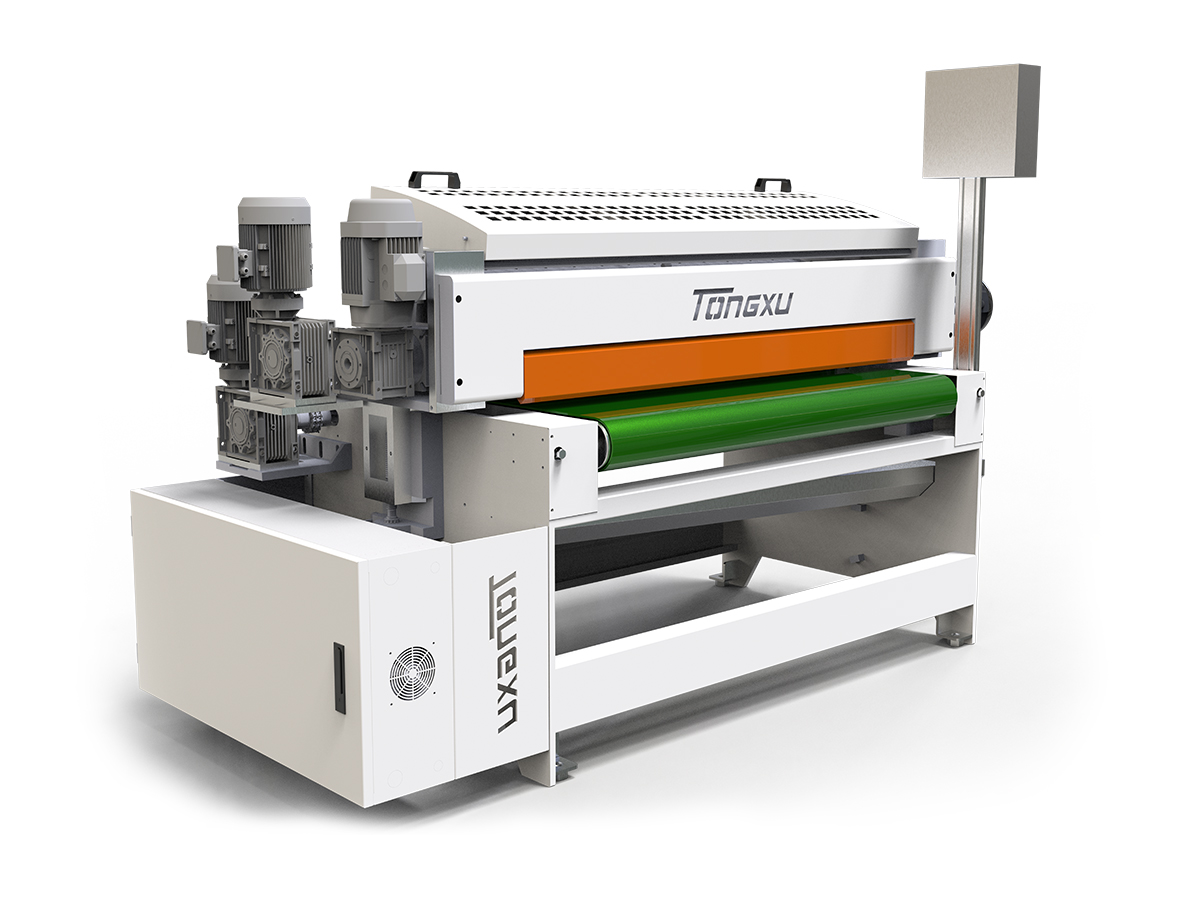
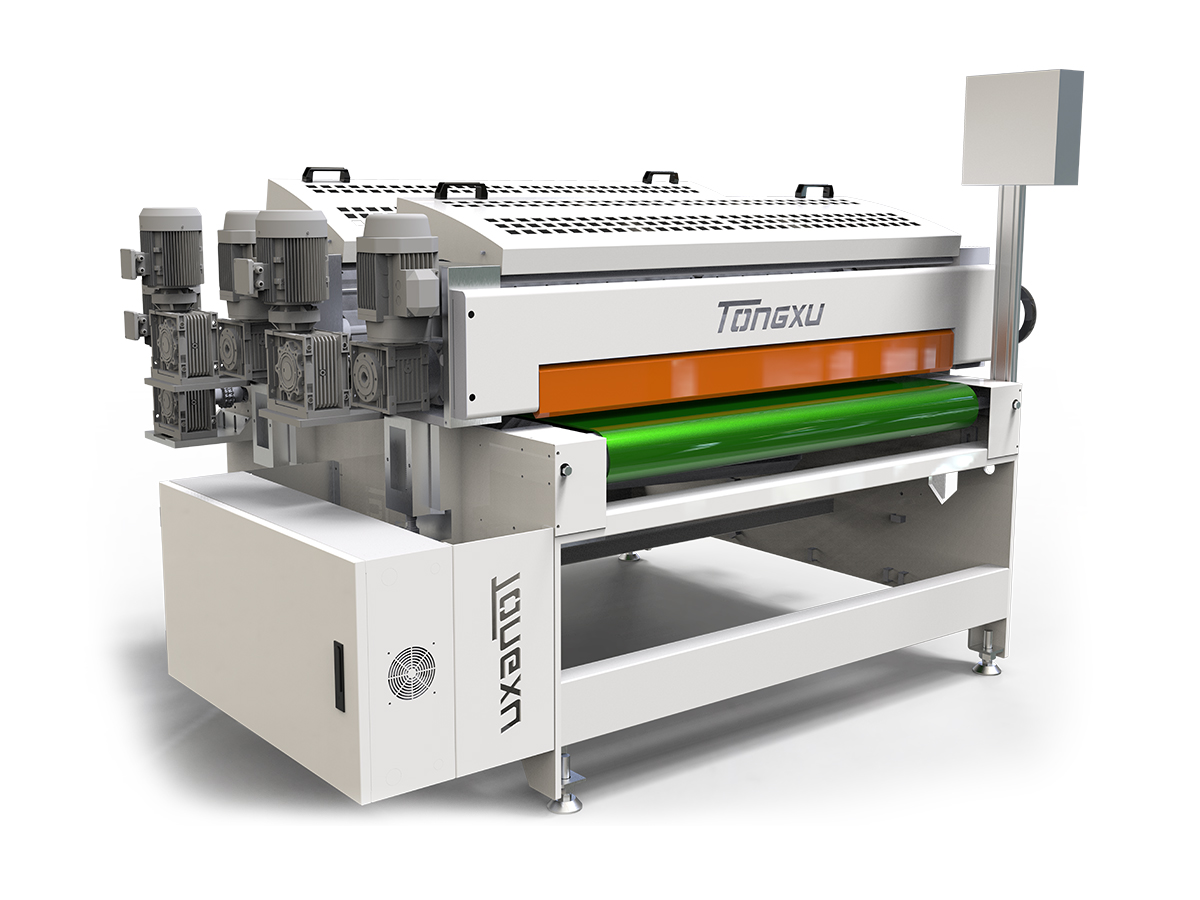
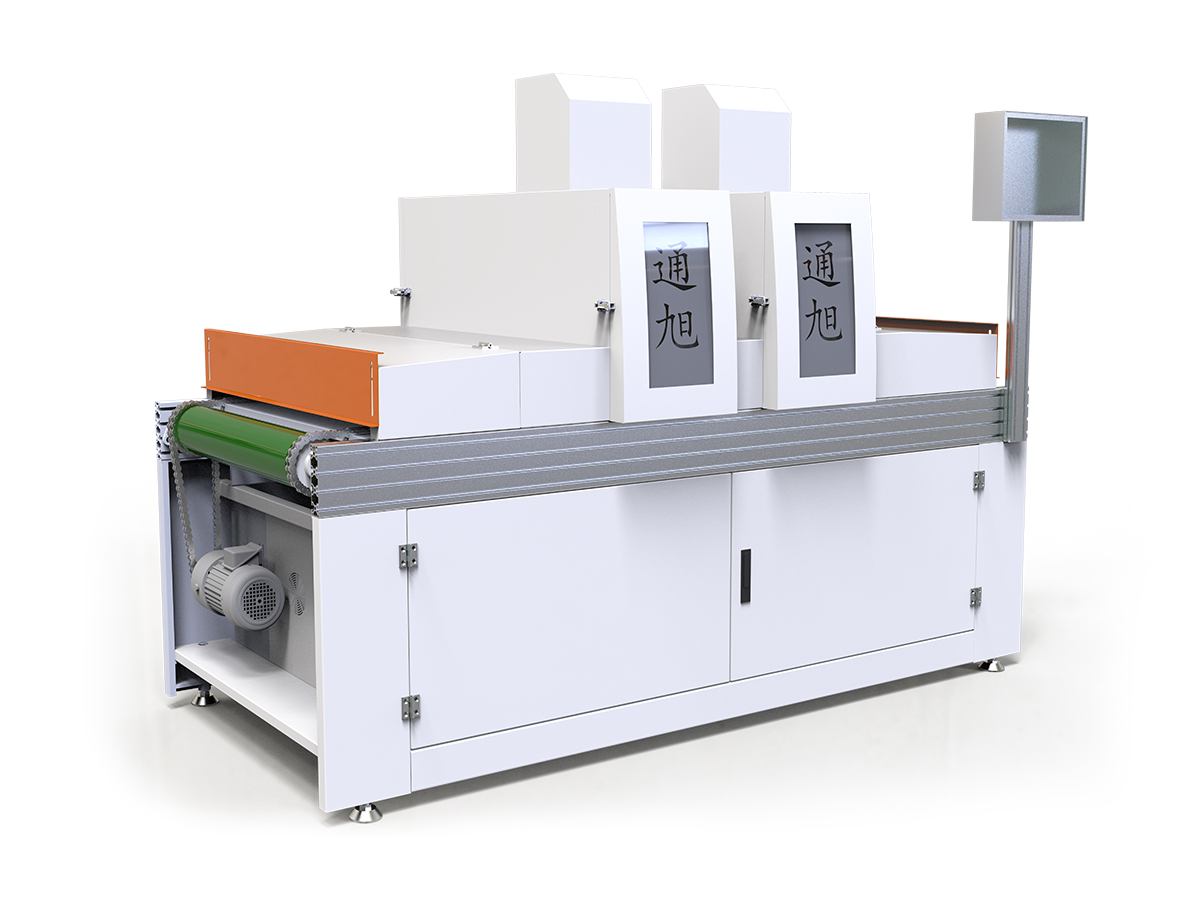
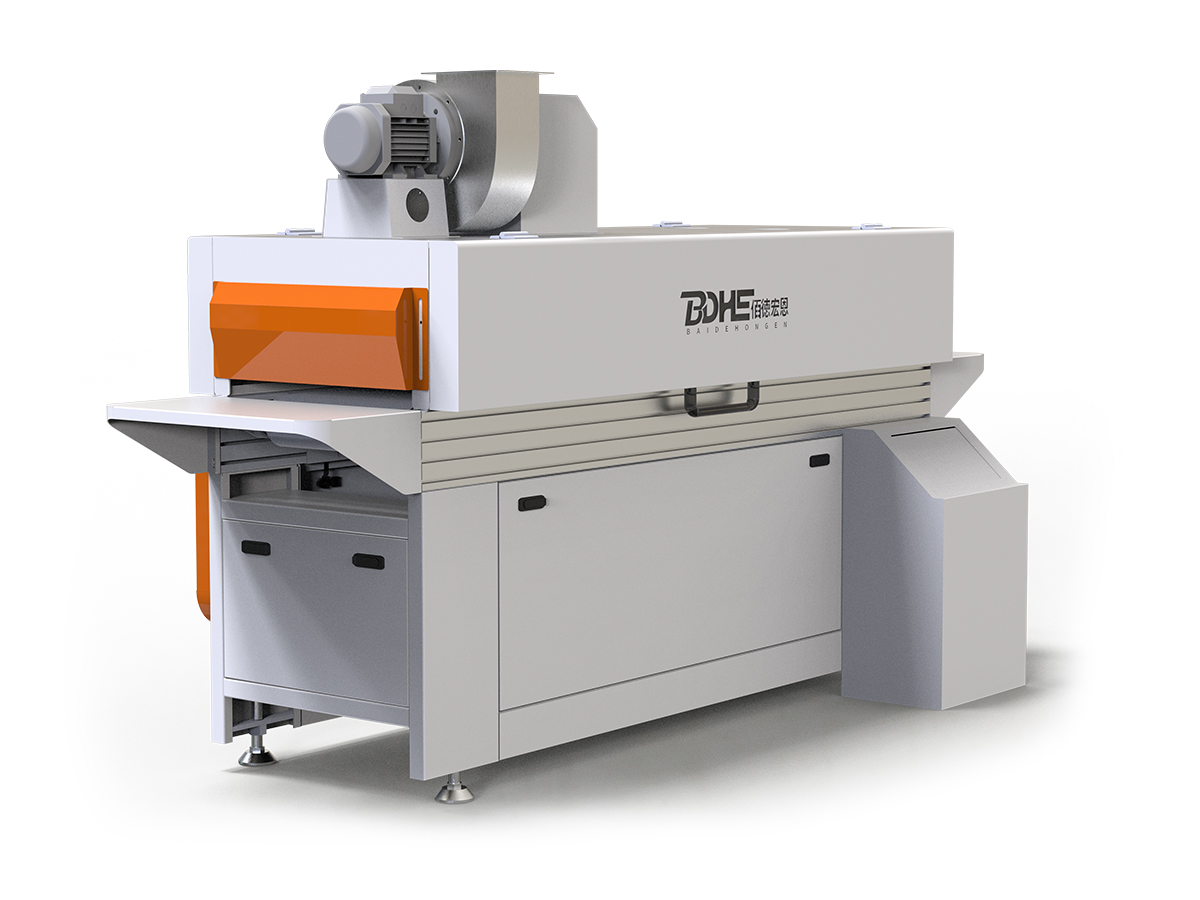
Efficient production: Assembly line operation, extremely fast curing speed (usually matching the speed of edge banding machine or coating machine, up to 10-30+ meters/minute), greatly improving production capacity. Excellent curing quality: The "2 positive and 1 reverse" design ensures the combination of high gloss/high hardness on the front and thorough curing of the edges/corners, comprehensively improving the quality of edge banding. Strong adaptability: Compatible with a variety of edge banding materials: PVC, ABS, PP, acrylic, solid wood veneer edge banding, etc. Compatible with a variety of UV varnishes: high gloss, matte, skin feel (touch paint), anti-scratch, anti-fingerprint and other special effect varnishes. Adapt to different shapes: It can better handle edge banding with straight edges, special edges, and profiled surfaces (such as duckbill edges). Reverse lights are especially important for special edges. Energy saving and environmental protection: There is basically no solvent volatilization during the UV curing process (VOC emissions are extremely low). More energy-saving than thermal curing. Improve product added value: Give edge banding a refined appearance and feel comparable to high-end furniture, enhancing the overall grade and market competitiveness of furniture. Reliable and stable: Industrial-grade design, equipped with cooling system (air cooling or water cooling) to prevent overheating of lamps and workpieces, strong exhaust system to remove ozone, to ensure long-term stable operation. Operation control: Usually equipped with a control panel to adjust parameters such as transmission speed, power of each lamp group (independent control), curing temperature, etc.
Technology & Processes
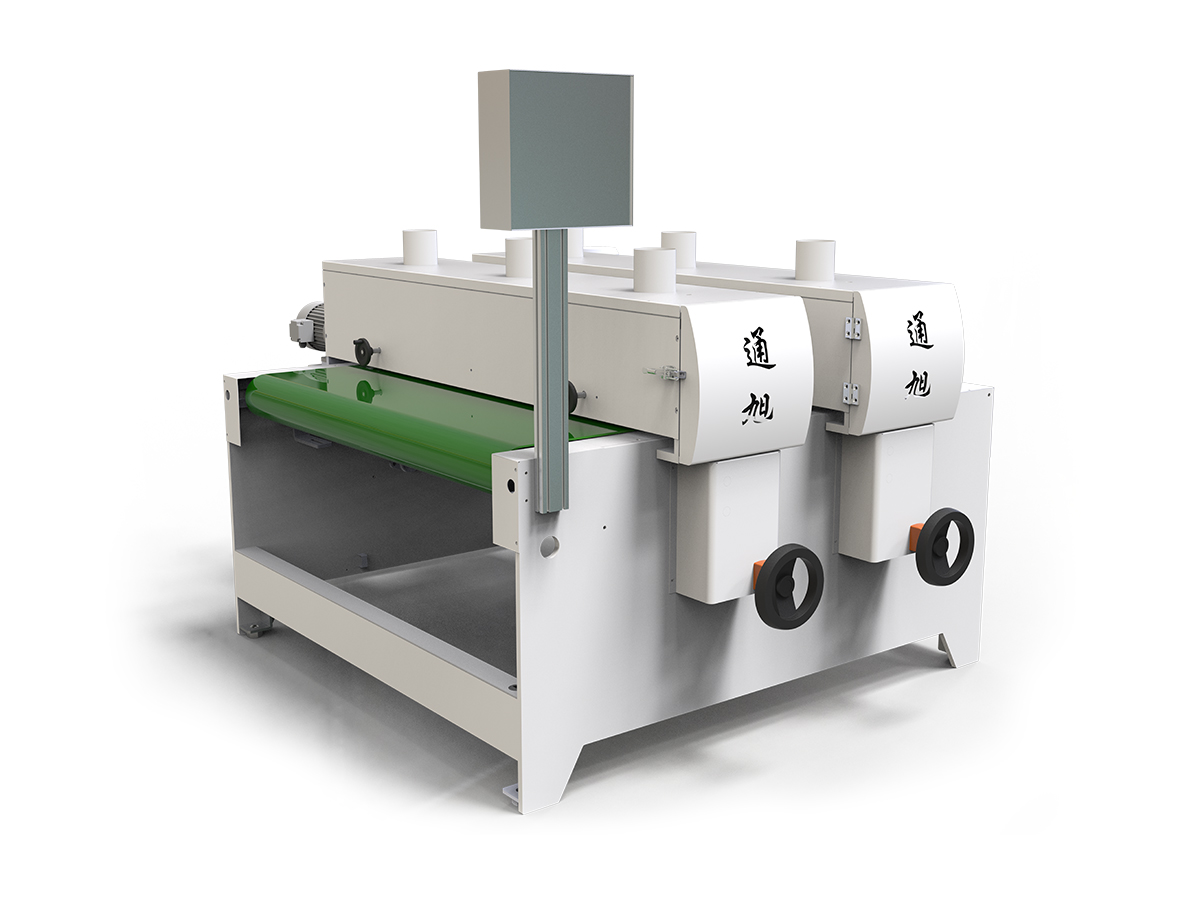
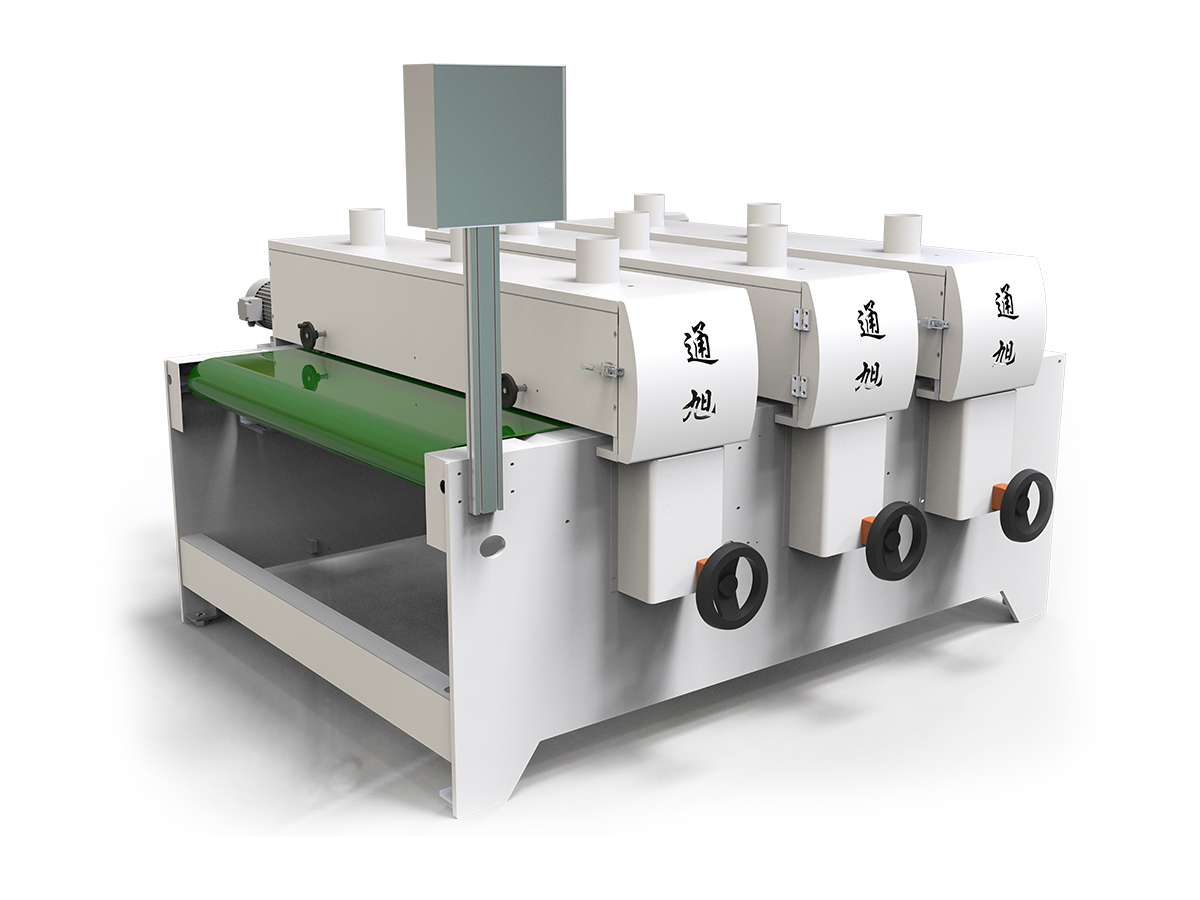
Two forward light groups: Position: Usually located above the conveyor belt. Function: Mainly responsible for curing the front side of the edge banding (large flat surface). Provide the main curing energy to ensure that the surface is quickly and fully cured, forming high hardness and high gloss. Power: Usually high (such as 120W/cm or higher), to ensure the depth and speed of curing on the main surface. One reverse light group: Position: Key innovation! Usually located below the conveyor belt, or specially designed side angles to ensure that the light can directly illuminate the bottom edge and side corners of the edge banding. Function: Specially solve the curing difficulties! Thoroughly cure edges and corners: After the edge banding is processed, the bottom edge of the edge banding that is bonded to the board and the corners on both sides are most likely to be incompletely cured due to insufficient light (sticky, easy to wear, easy to accumulate dust). The light from the reverse light directly illuminates these areas that are difficult to cover with traditional forward lights. Eliminate curing shadows: Avoid shadow areas caused by the edge banding structure itself or the conveyor belt. Improve overall quality and durability: Ensure that the entire edge banding strip is fully cured 360° without dead corners, the edge banding is more solid and durable, the edge is not easy to warp or debond, and the touch is smoother and more consistent.