English
 中文简体
中文简体

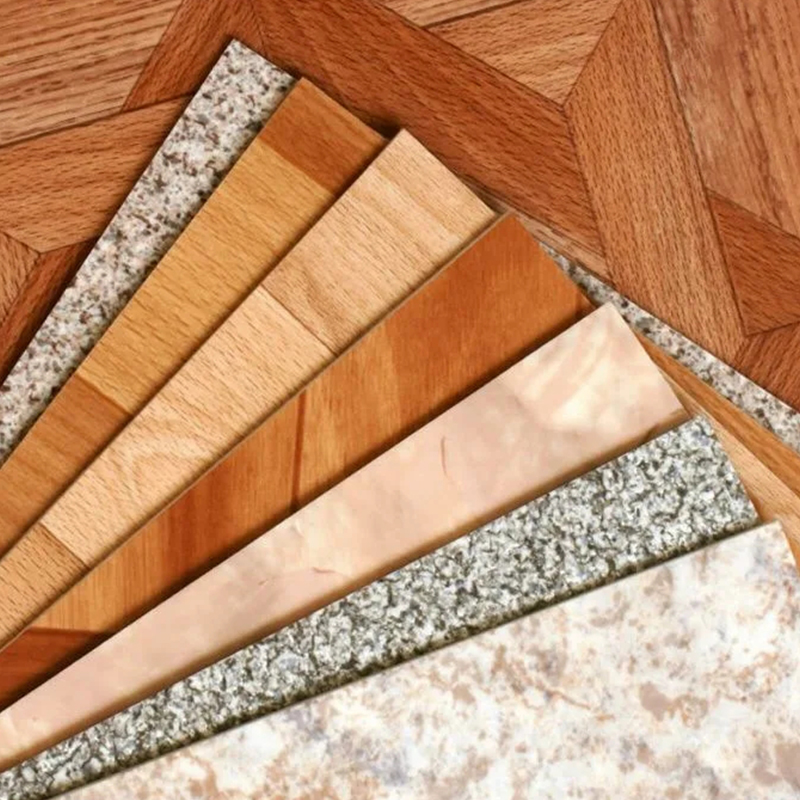
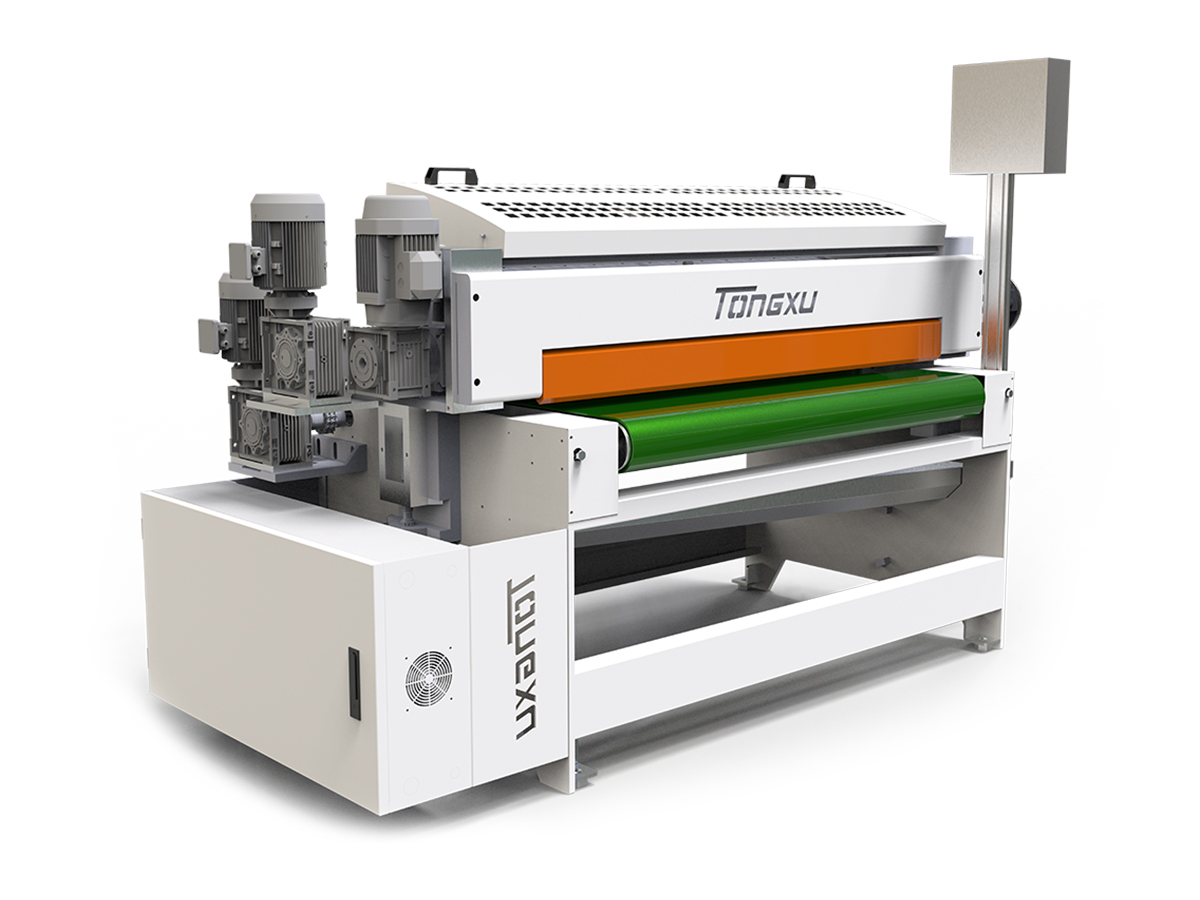
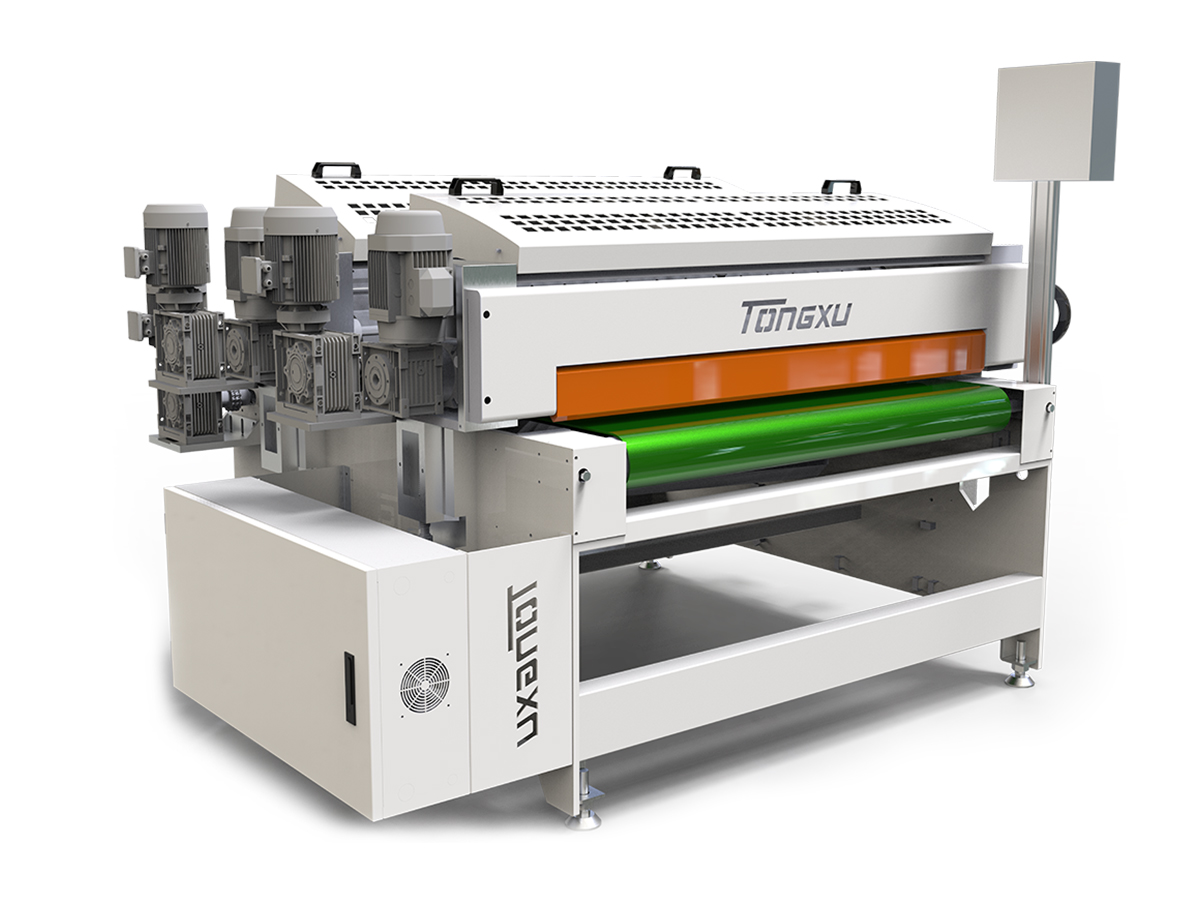
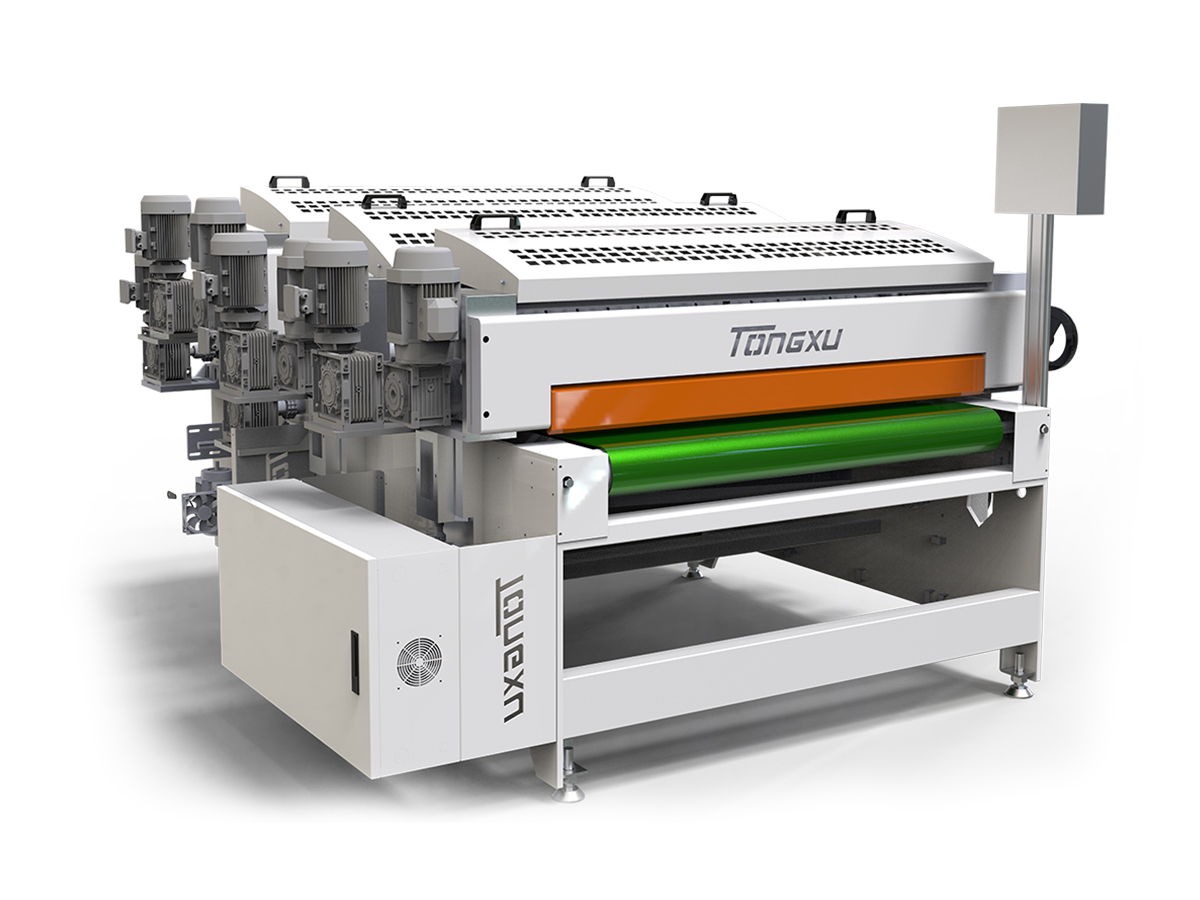
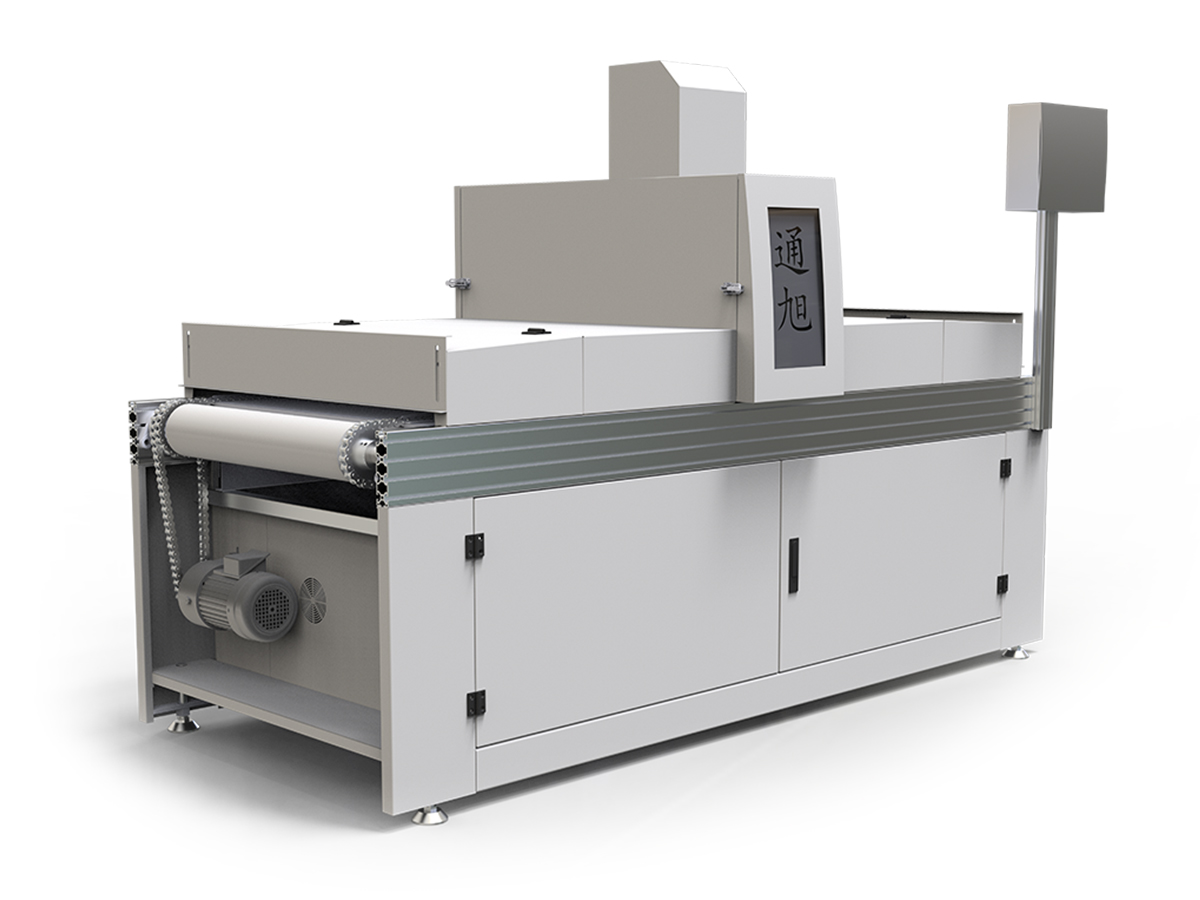
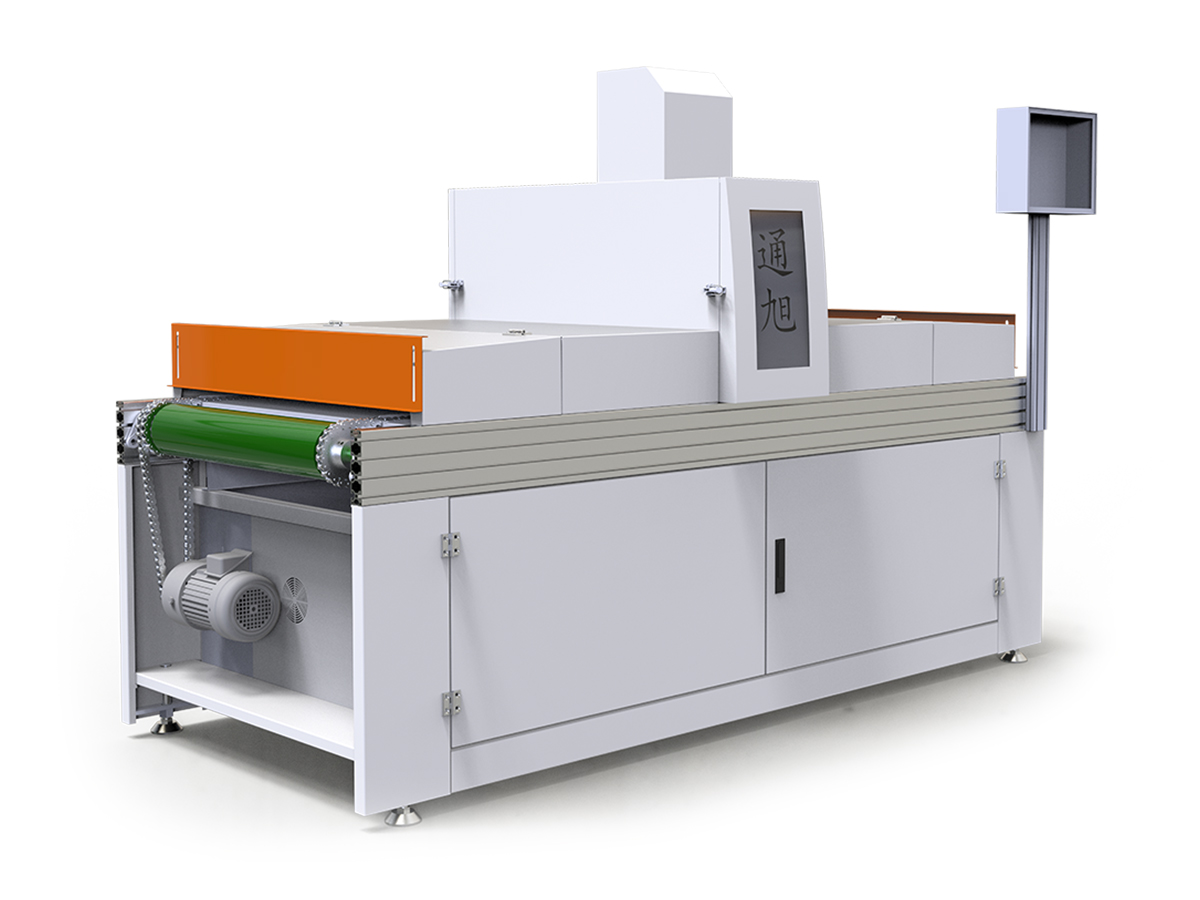
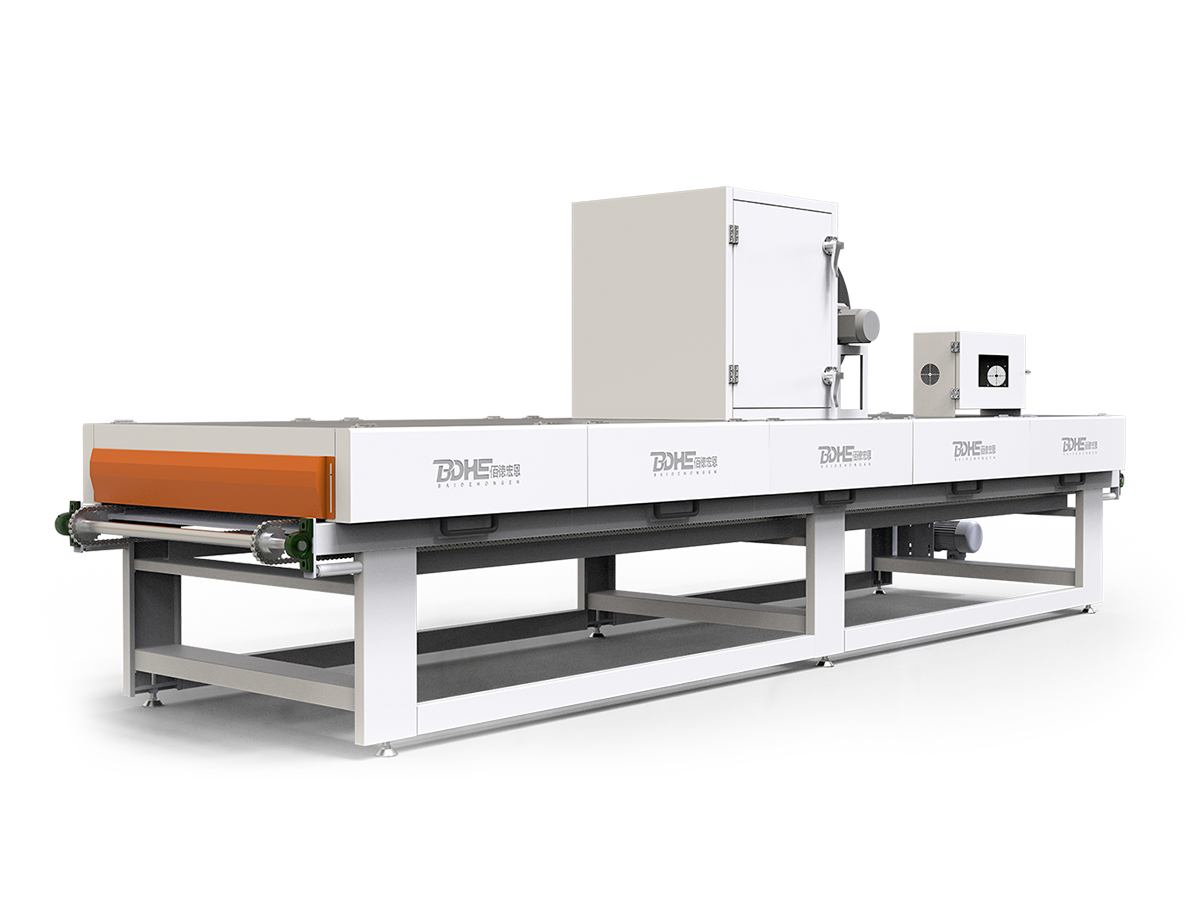
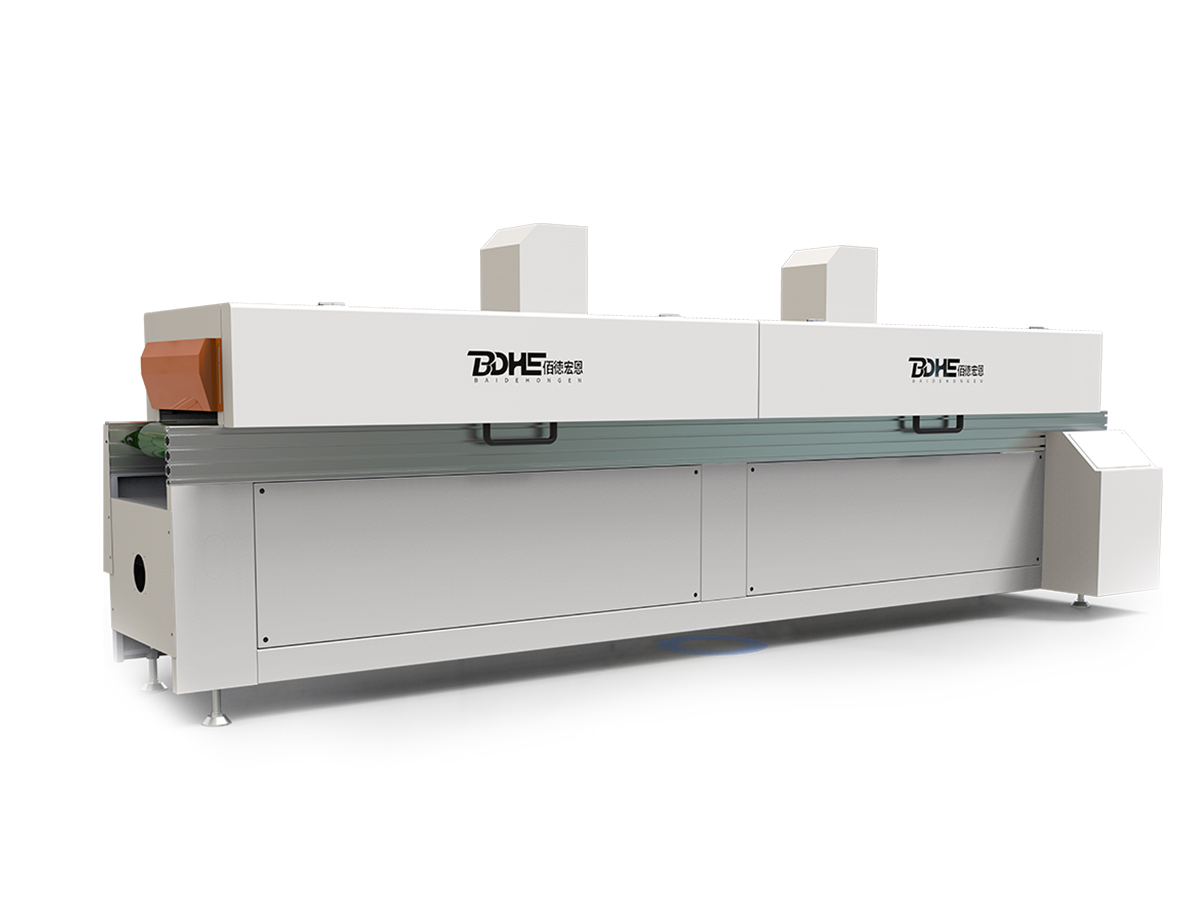
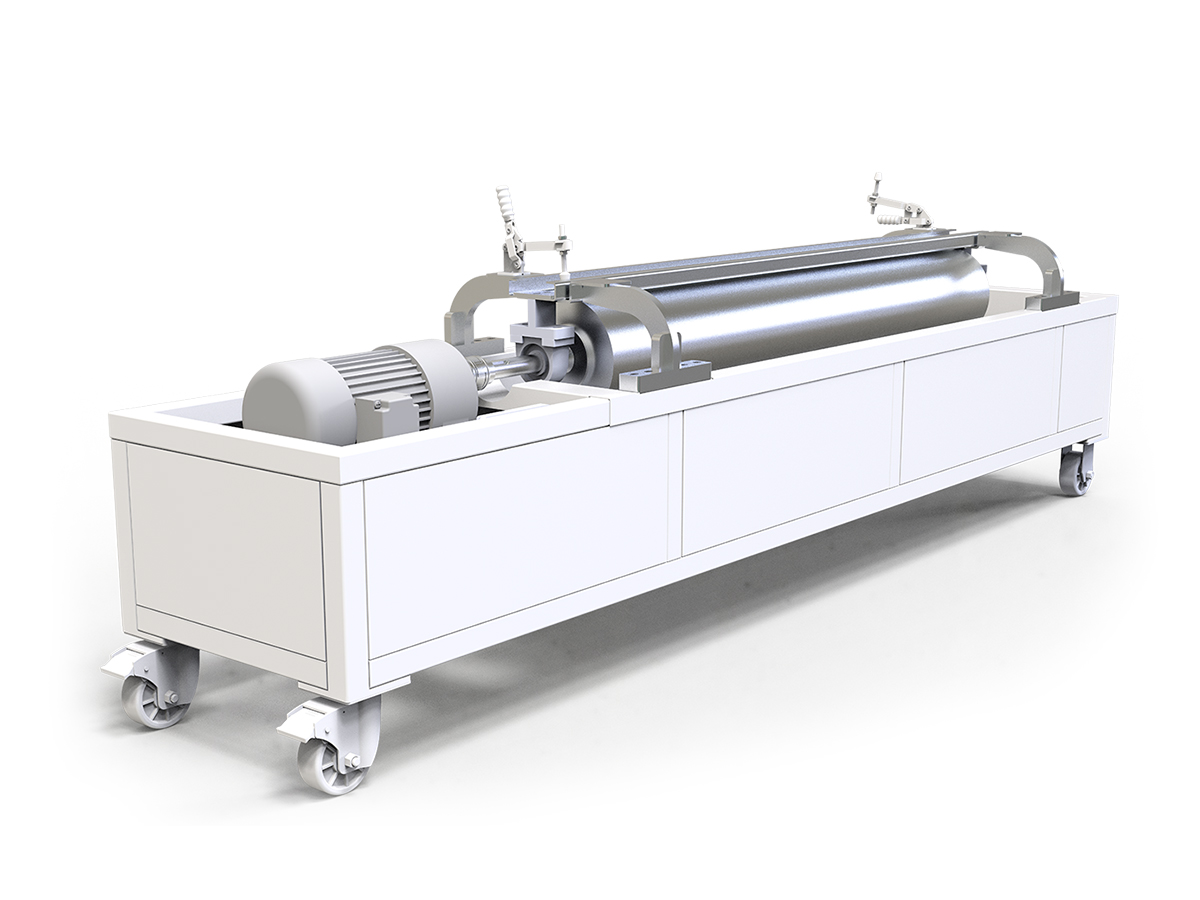
The application of intelligent coating system equipment in the furniture and flooring sectors is profoundly transforming the limitations of traditional coating processes with its characteristics of intelligence, high efficiency, and precision. It has become a key support for improving product quality, reducing production costs, and achieving green production. Below is a detailed analysis of its application value and scenarios in the two major fields of furniture and flooring:
Application in the Furniture Sector: Adapting to Diverse Materials and Enabling Personalized Coating
Furniture products feature diverse materials (solid wood, panel, metal, plastic, etc.) and complex shapes (flat, curved, irregular structures), placing high demands on coating uniformity, aesthetics, and environmental friendliness. Intelligent coating systems address the pain points of traditional manual coating through flexible scenario adaptation:
-
Comprehensive coverage of diverse materials
- For solid wood furniture, Intelligent coating systems can precisely control paint dosage, avoiding the problem of blocked wood grain caused by traditional manual brushing. The combination of roller coating and spray coating not only preserves the natural wood grain but also forms a uniform protective film, enhancing water resistance and wear resistance.
- For panel furniture (such as density board and particleboard), the integrated process of automated pre-treatment (dust removal, sanding) + precise spray/flow coating solves issues like uneven paint absorption and obvious color differences on the panel surface. It is especially suitable for mass-produced standardized panel furniture, increasing coating efficiency by 3-5 times compared to manual work.
- For irregular furniture (such as curved armrests and carved cabinets), equipped with intelligent robotic spraying systems and 3D visual positioning technology, it can accurately identify the contours of workpieces, achieving dead-angle-free coating on curved surfaces, grooves, and edges. This ensures uniform coating thickness on complex-shaped surfaces, meeting the refined requirements of high-end custom furniture.
-
Balancing environmental protection and personalization
- Intelligent coating systems adopt a closed design with efficient exhaust gas recovery and treatment devices, reducing volatile organic compound (VOCs) emissions by over 80%, which complies with environmental policies in the furniture industry.
- They support customization of various coating effects: Through preset programs, different textures such as matte, glossy, skin-friendly, and wood grain simulation can be achieved. They can even simulate the texture coating of precious woods (such as oak and walnut), enabling mid-to-low-end substrate furniture to have high-end visual effects and reducing raw material costs.
Application in the Flooring Sector: Enhancing Wear Resistance and Weather Resistance, Ensuring Large-Scale Production
As high-frequency used ground decoration materials, flooring has strict requirements for coating wear resistance, scratch resistance, stain resistance, and weather resistance (such as moisture resistance and UV resistance). Intelligent coating systems have achieved breakthroughs in both "quality" and "quantity" of flooring coating through standardized processes:
-
Strengthening wear-resistant coating to extend the flooring lifespan
- For solid wood flooring and solid wood composite flooring, Intelligent roller/flow coating systems can evenly apply UV-curable coatings, which quickly cure under ultraviolet light to form a hard, wear-resistant layer. The coating thickness error can be controlled within ±0.01mm, far superior to the precision of manual coating. This significantly improves the flooring's scratch and impact resistance, extending its service life by 3-5 years.
- For new environmentally friendly flooring such as SPC and WPC, Intelligent spray systems can apply stain-resistant coatings on their surfaces. By precisely controlling the size of paint atomized particles, they ensure strong adhesion between the coating and the substrate, preventing peeling. At the same time, they meet the daily use requirements of flooring for water and stain resistance.
-
Adapting to large-scale production and stabilizing product consistency
Flooring production is mostlya batch standardized operation. Through automated integrated processes of feeding, positioning, coating, and drying, intelligent coating systems can handle thousands of square meters of flooring per hour on a single production line. Moreover, each piece of flooring has highly consistent coating thickness and color saturation, solving problems such as color difference, missed coating, and sagging caused by operational differences in traditional manual coating. This significantly improves the product qualification rate (up to over 99%).
In addition, the system can quickly switch coating processes for different flooring types (such as laminate flooring and three-layer solid wood flooring) through digital parameter adjustments (e.g., paint viscosity, coating speed, drying temperature), meeting the needs of multi-specification and multi-batch production and flexibly responding to changes in market orders.
Common Values: Driving the Industry towards "Efficient, Green, and Intelligent" Transformation
Whether in the furniture or flooring sector, the application of intelligent coating system equipment demonstrates three core advantages:
- Cost reduction and efficiency improvement: Reducing reliance on labor (can reduce labor costs by more than 50%), increasing coating efficiency by 3-10 times, and reducing paint waste through precise material control (saving 20%-30% of paint).
- Quality upgrading: Ensuring stable coating uniformity, adhesion, and weather resistance through intelligent control, enhancing product added value and market competitiveness.
- Green compliance: The closed-loop coating process reduces exhaust gas and wastewater emissions, conforming to the national "dual carbon" policy and industry environmental standards, helping enterprises achieve sustainable development.
In the future, with the integration of AI visual recognition, IoT monitoring, and other technologies, intelligent coating system equipment will further realize "unmanned production" and "remote operation and maintenance," providing stronger technical support for the intelligent upgrading of the furniture and flooring industries.